
India’s Growth Story Needs a Careful Balance
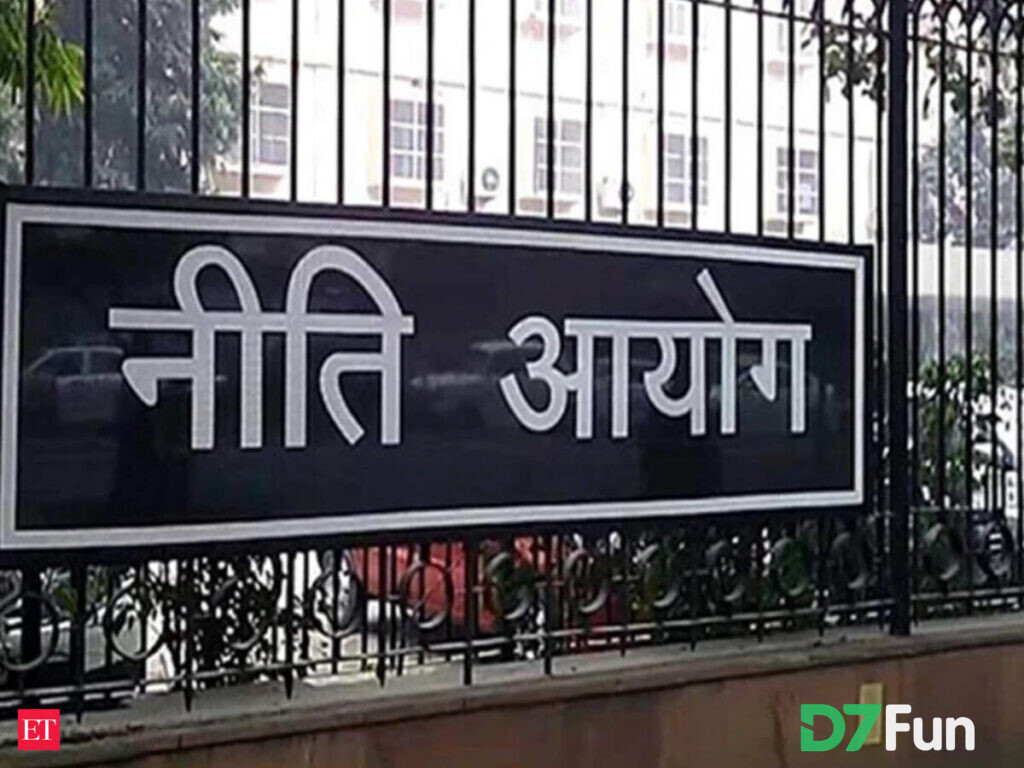
Niti Aayog member Ashok Lahiri has highlighted a familiar challenge for policymakers in India: keeping inflation under control without putting growth under pressure. His comments come at a time when the economy continues to navigate uneven demand, rising costs in some sectors, and the need for more jobs across urban and rural areas.
For India, the conversation is not just about price stability. It is also about ensuring that businesses can expand, investments keep flowing, and young people have access to meaningful employment. Lahiri’s remarks underline that any further tightening in monetary policy could make the road to growth more difficult if it is not handled with caution.
Why Inflation and Jobs Must Be Addressed Together
Lahiri stressed that inflation management and employment generation should move together, rather than be treated as separate goals. High inflation affects household spending and creates pressure on everyday budgets, but an overly tight policy environment can also reduce borrowing, delay expansion plans, and slow business activity.
In a country like India, where millions of first-time workers enter the labour market every year, the need for job creation is especially strong. That means economic policy must find a middle path that supports price discipline while still allowing companies to invest, hire, and grow.
The Role Banks Can Play in Supporting Growth
Another important point raised by Lahiri was the role of banks in connecting enterprises with financial support and investment opportunities. He suggested that financial institutions need to do more than simply lend; they should actively help businesses find the right channels for growth and expansion.
For small and medium enterprises, access to credit can determine whether a business scales up or stays stuck at a local level. Stronger banking support can also help new industries emerge, create supply chain linkages, and encourage more private investment across sectors.
West Bengal’s Development Needs Industry and Infrastructure
Lahiri also touched on West Bengal’s development potential, saying the state must do more to attract industry and make use of its natural advantages. The state has resources, labour availability, and a strategic location, but these strengths need to be matched with better policies and business-friendly systems.
He pointed out that effective land acquisition and quality infrastructure are essential for industrial growth. Without roads, logistics, power supply, and ease of setting up operations, even promising regions may struggle to bring large-scale investment.
Why Infrastructure Remains a Key Growth Driver
Across India, infrastructure remains one of the strongest supports for economic development. Better roads, ports, rail networks, industrial parks, and digital connectivity can reduce costs for businesses and improve efficiency. For investors, infrastructure is often one of the first signs that a region is ready for long-term growth.
West Bengal, like several other states, has the opportunity to strengthen its position by improving these basics. If land policies are predictable and infrastructure delivery is reliable, industry can find more confidence in expanding operations there.
The Bigger Policy Message for India
Lahiri’s remarks serve as a reminder that India’s economic management must remain balanced. Inflation control is necessary, but so is protecting growth momentum. Policy decisions that are too restrictive can have ripple effects on jobs, household demand, and business confidence.
For Indian readers tracking the economy, the message is clear: the next phase of growth will depend on how well the country manages inflation, supports banks, encourages investment, and builds infrastructure that can sustain industrial development. The challenge is not only to keep the economy stable, but also to keep it moving forward.


