
India’s Trade Push Gains Momentum
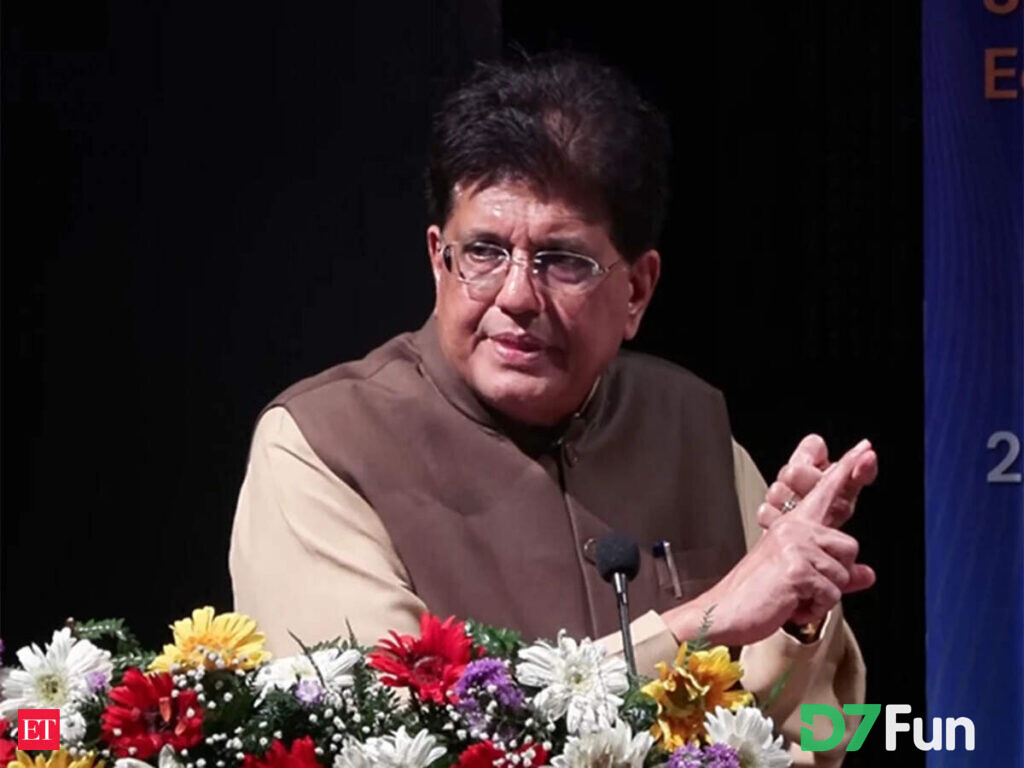
India’s network of free trade agreements is expected to give domestic exporters a far wider reach across the world, opening doors to markets with a combined GDP of nearly $85 trillion. Commerce and Industry Minister Piyush Goyal has highlighted this opportunity as the country continues to strengthen its position in global trade.
For Indian businesses, this is more than a policy update. It signals a larger push to expand beyond home markets, improve competitiveness and build stronger international brands. As India signs more trade pacts, exporters are likely to benefit from easier market access, lower trade barriers and better visibility in key economies.
Why FTAs Matter for Indian Exporters
Free trade agreements are important because they can reduce duties, simplify trade rules and make Indian goods more attractive in overseas markets. According to the Commerce Minister, these agreements collectively cover around 76% of the global economy, giving Indian firms access to a very large consumer base.
For companies in sectors such as textiles, engineering goods, pharmaceuticals, chemicals, auto components and food products, such access can create new growth opportunities. It also encourages businesses to raise quality standards, improve packaging, comply with global regulations and strengthen supply chains.
Exporters Urged to Think Global
Piyush Goyal has urged Indian exporters to move with a global mindset and not limit themselves to domestic demand alone. His message is clear: businesses should focus on reaching new markets, developing premium products and building a reputation that can stand out internationally.
This approach is particularly relevant at a time when India is aiming to become a stronger manufacturing and export hub. Expanding production capacity, investing in design and technology, and creating trusted brands can help Indian firms compete more effectively in global markets.
How Indian Businesses Can Use the Opportunity
To make the most of trade agreements, exporters may need to focus on several practical steps. First, they should study tariff benefits under each FTA to understand where their products may gain an edge. Second, they must ensure quality consistency and product certification to meet the expectations of overseas buyers.
Digital tools can also play a big role. From online catalogues to cross-border B2B platforms, Indian companies now have more ways to connect with international customers. For small and medium enterprises, this could mean better exposure and a faster route to new business opportunities.
India’s Trade Strategy and What Lies Ahead
India is actively pursuing additional trade agreements as part of its broader economic strategy. The goal is to improve market access, support exporters and deepen India’s integration with global supply chains. In the process, the country is also looking to enhance its image as a reliable source of quality goods and services.
As more trade deals progress, Indian exporters may find themselves better placed to compete in regions across Asia, Europe, the Middle East and beyond. The challenge now is to convert policy gains into real market presence through stronger execution, innovation and brand-building.
For Indian readers tracking trade and business trends, this is a significant development. It shows how India’s export story is evolving from price-driven competition to a more ambitious model based on quality, scale and global reach.


