
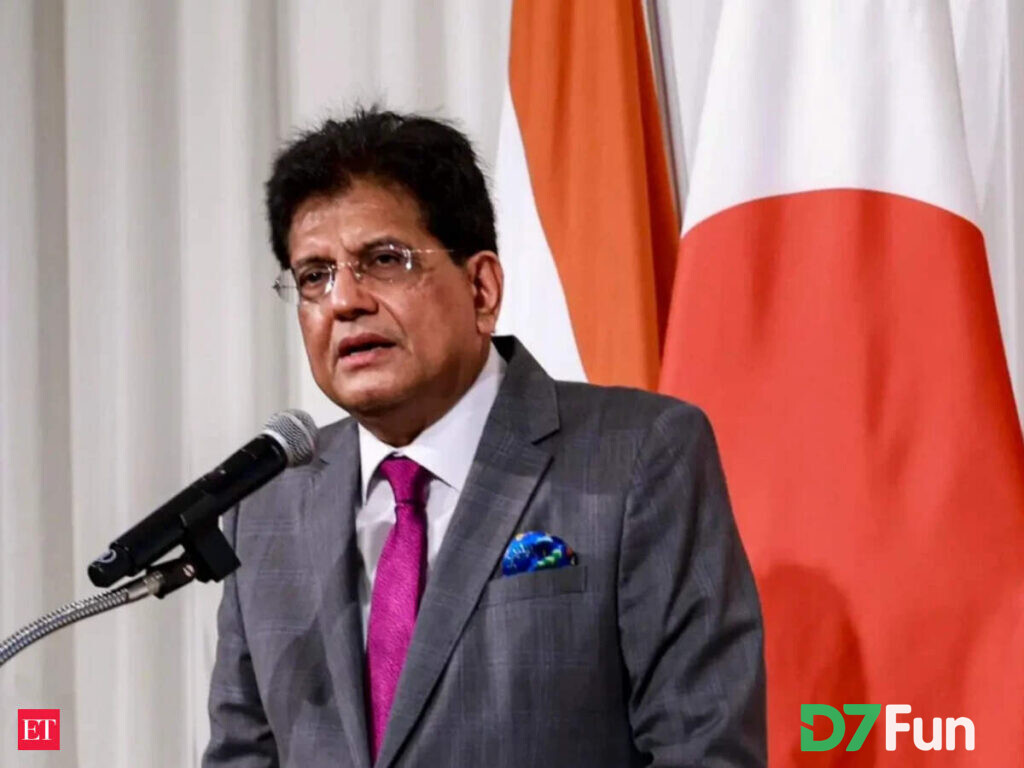
German companies are preparing for a much larger presence in India over the next three to five years, according to Commerce and Industry Minister Piyush Goyal. His comments come at a time when India is emerging as one of the most attractive markets for global businesses looking to expand manufacturing, deepen research capabilities, and build long-term partnerships.
During his visit to Germany, Goyal met several industry leaders and discussed fresh investment opportunities across key sectors. The conversations focused on how Indian and German businesses can work together not just on trade, but also on technology co-creation, innovation, and talent development. For India, this could mean stronger industrial collaboration and more opportunities for young professionals.
German Business Interest in India Is Rising
Germany has long been one of India’s important economic partners, but the latest discussions suggest that the next phase of cooperation may be far more ambitious. Goyal said many German firms are looking to double or even triple their business growth in India over the coming years. That reflects growing confidence in India’s domestic demand, industrial base, and policy environment.
For global companies, India now offers a combination of scale, digital readiness, and manufacturing potential that is difficult to ignore. German firms, in particular, are eyeing the country as a hub for production, product development, and supply chain expansion. This aligns well with India’s push to strengthen its role in global manufacturing.
Focus on Technology Co-Creation and Skills
One of the biggest themes in Goyal’s discussions was skill development. He emphasized that future growth will depend on building capabilities among Indian youth so that they can support advanced manufacturing and technology-led industries. This is especially important as sectors like electronics, automobiles, and automation become more sophisticated.
The idea of technology co-creation also stood out. Rather than simply importing technology, Indian and German firms are being encouraged to work together on solutions designed for local and global markets. This approach can help companies innovate faster while also creating stronger research and development opportunities in India.
Manufacturing, Electronics and Automobiles in the Spotlight
Among the sectors discussed, electronics manufacturing, automobile production, and smart manufacturing appear to be the most promising areas for cooperation. Germany’s strong engineering base and India’s large production ecosystem create a natural fit for joint growth.
Electronics is one area where India is already building scale, and deeper German participation could add technical depth and advanced design capabilities. In automobiles, the partnership could support the shift toward cleaner mobility, connected vehicles, and next-generation production methods. Smart manufacturing, meanwhile, could help Indian factories improve efficiency using automation, digital tools, and precision engineering.
What This Means for India’s Industrial Growth
A stronger German presence in India could have a positive impact beyond corporate expansion. It may lead to more local sourcing, more advanced factories, and stronger integration of Indian suppliers into global value chains. Over time, this can support job creation and help Indian businesses gain exposure to international standards and technologies.
For the Indian market, such partnerships are also important because they support the larger vision of Make in India and industrial self-reliance. As more foreign companies look to establish or expand operations in India, the country stands to benefit from capital inflows, technical knowledge, and broader employment opportunities.
Why the India-Germany Partnership Matters Now
The current global business environment has made companies more careful about where they invest and how they diversify their operations. India’s stable growth outlook, expanding consumer market, and improving infrastructure have made it a preferred destination for long-term business planning. Germany’s interest in scaling up is a strong signal that the relationship between the two countries is moving into a new phase.
As discussions continue, the focus will likely remain on turning broad interest into concrete projects. If successful, the collaboration could deliver benefits in manufacturing, innovation, and workforce readiness, while giving Indian youth more opportunities to take part in high-value industries.
For readers tracking India’s business and industrial landscape, the message is clear: German companies are no longer just observing the Indian market. They are planning for much bigger participation, and the next few years could see that ambition take shape across multiple sectors.


