
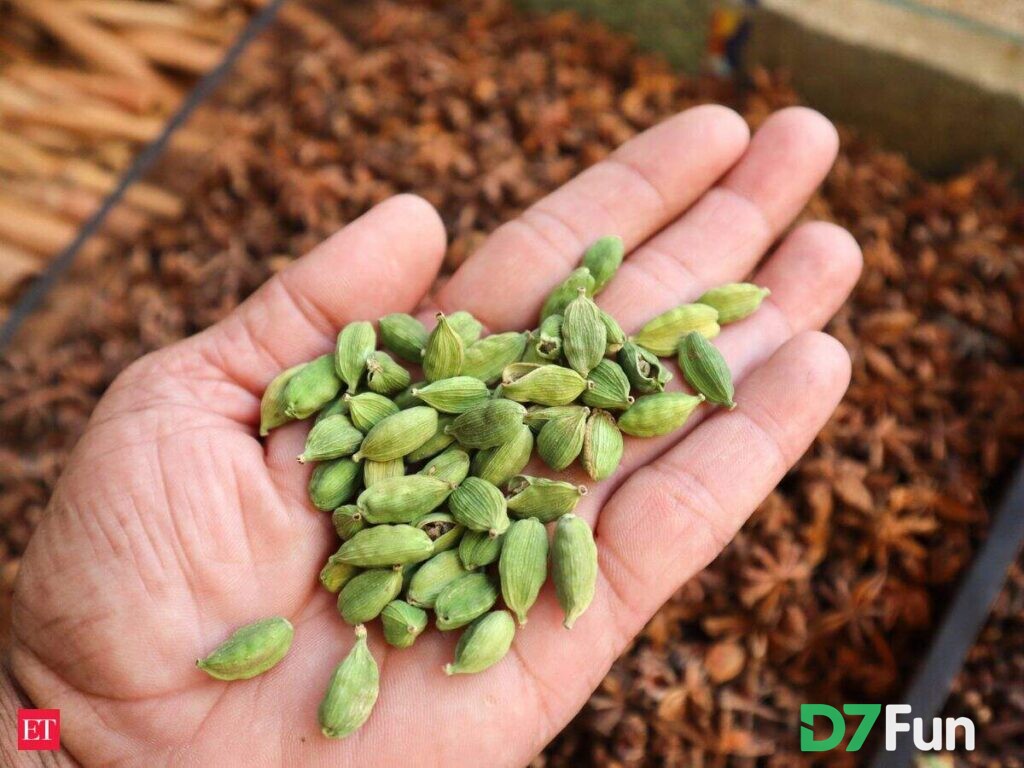
Large Cardamom Gains Attention as a High-Value Crop
For farmers looking to make better use of small land holdings, large cardamom is emerging as an attractive option in Himachal Pradesh. A farmer from Bilaspur district has shown that this spice crop can provide steady returns over the long term when grown with the right care and dependable water supply.
According to agriculture officials, the farmer has been cultivating large cardamom for the past 20 years on nearly one bigha of land. Even with this limited area, the crop yields about 2 to 3 quintals annually, making it an interesting example of how spice farming can support income generation from compact farmland.
Why Farmers Are Exploring This Crop
Large cardamom is valued because it is a premium spice in the market and does not necessarily require a large land parcel to become productive. For small and marginal farmers, that makes it a practical alternative to traditional crops, especially in regions where land availability is limited but irrigation facilities are dependable.
The agriculture department has noted that the crop can be a strong income source for farmers who are able to manage water availability and farm maintenance properly. In areas with suitable weather conditions and regular irrigation, the crop has the potential to offer better value compared to many conventional options.
High Market Value Makes the Crop Attractive
One of the key reasons behind the growing interest in large cardamom is its market price. The spice is currently valued at around Rs 1.8 lakh per quintal, which makes even a modest harvest significant for a small farmer. For households dependent on agriculture, such a crop can improve year-round financial stability and reduce pressure on seasonal earnings.
Experts in the agriculture sector say the crop may be particularly useful as an additional income stream rather than a sole farming activity. Farmers can continue growing other seasonal crops while also building value through large cardamom plantations over time.
Importance of Irrigation and Farm Management
While the crop offers promising returns, it is not suitable for every farm. Reliable irrigation is one of the most important requirements. Without consistent water access, productivity may suffer and the crop may not perform as expected. That is why agriculture officials recommend it mainly for farmers who can ensure regular moisture and suitable growing conditions.
Proper farm management, soil care, and long-term planning are also important for success. Since large cardamom is a spice crop that rewards patience, farmers need to be prepared for sustained cultivation rather than short-term gains.
A Possible Model for Small Landowners in India
The Bilaspur example offers a useful message for farmers across India: limited land does not always mean limited opportunity. High-value crops like large cardamom can help farmers diversify income and make better use of available space, especially in hilly regions where suitable conditions exist.
As agricultural departments continue to promote crop diversification, more farmers may look at spices and other premium crops as a way to strengthen their earnings. For rural households seeking sustainable alternatives, large cardamom cultivation could become a practical and promising choice.


