
Introduction
As India gears up for its major festivals, textile and food exporters are witnessing a surge in overseas orders. Shipments to the United States, Europe and the Gulf Cooperation Council (GCC) region have climbed sharply, energising manufacturers and boosting overseas market sentiment. While prospects look bright, industry players are also navigating headwinds in the form of rising freight costs and container shortages.
Surge in Textile Orders from the US
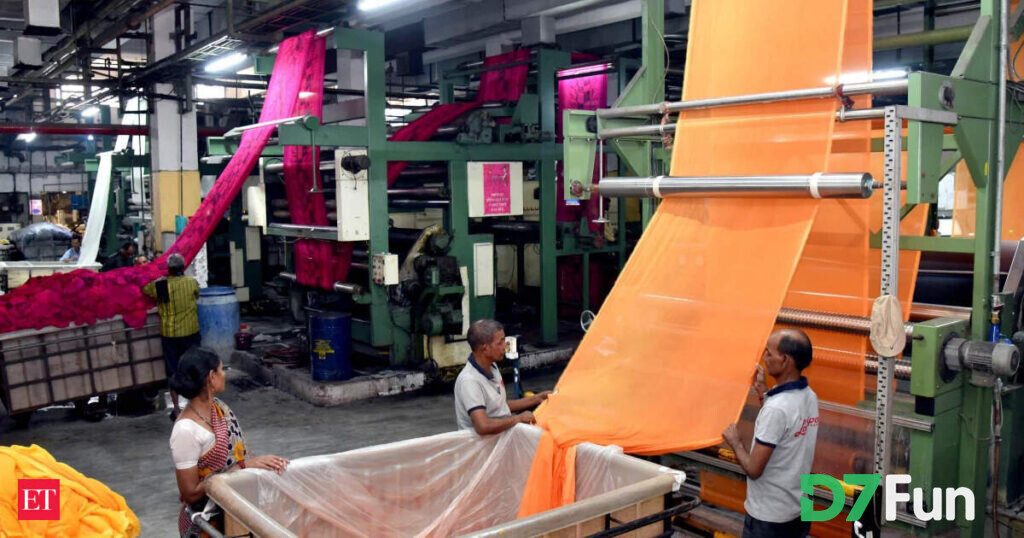
Textile exporters in India are reporting a marked uptick in holiday season orders from major US retailers. Cotton garments, home textiles and ethnic wear have all seen strong year-on-year growth. Companies attribute this rise to timely product innovation, competitive pricing and a streamlined supply chain that meets strict buyer specifications. Buoyed by these gains, exporters are confident of sustaining momentum through the remainder of the calendar year.
Robust Demand for Food Exports to Europe and GCC
On the food front, Indian suppliers are benefitting from robust demand in European and GCC markets. Spices, rice varieties, processed fruits and dairy products have all recorded healthy order books. Exporters point to quality certifications, improved cold chain infrastructure and direct trade partnerships as key factors behind their success. Scandinavian and Middle Eastern buyers are increasingly sourcing specialised items such as organic pulses and gourmet snack mixes from India.
Challenges Facing Exporters
Despite the festive season tailwind, exporters are grappling with significant logistical challenges. Freight rates on key shipping lanes have jumped by over 20% compared to the previous quarter. At the same time, container shortages at major Indian ports have led to shipment delays and higher demurrage charges. These cost pressures are eating into export margins, prompting businesses to explore alternative solutions.
Trade Policies and Compliance Hurdles
In addition to freight and logistics constraints, exporters are navigating evolving trade policies and stringent import compliance rules. Shifts in tariff structures, enhanced documentation requirements and frequent regulatory updates in destination markets are adding complexity to cross-border trade. Industry bodies are calling for clearer guidelines and faster dispute-resolution mechanisms to minimise disruptions.
Strategies to Overcome Logistics Hurdles
- Collaborative Shipping: Pooling shipments with other exporters to optimise container utilisation.
- Alternative Routes: Exploring rail–sea multimodal solutions to bypass port congestion.
- Forward Contracts: Locking in freight rates in advance to hedge against volatility.
- Technology Adoption: Using digital tracking tools for real-time visibility and efficient coordination.
Looking Ahead: Sustaining Growth Through Innovation
With the festive season in full swing, Indian exporters are focused on sustaining growth by deepening client partnerships and investing in product innovation. Emphasis on sustainable production, eco-friendly packaging and value-added services is expected to further strengthen India’s position in global markets. As companies navigate current challenges and capitalise on rising demand, the outlook for textile and food exports remains optimistic.
By combining operational agility with strategic planning, exporters aim to make the most of the holiday-driven demand surge and secure a robust pipeline of orders well into the next fiscal year.


