
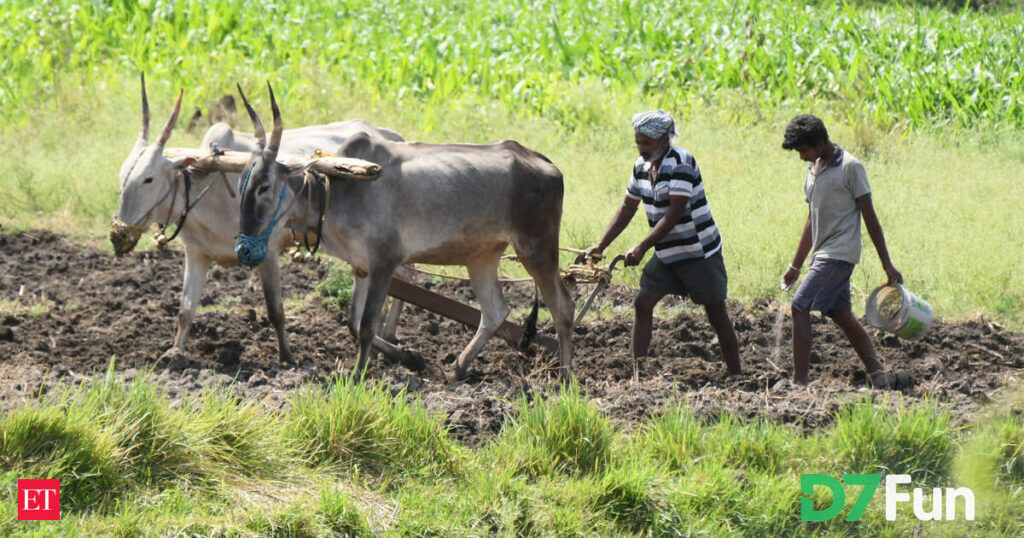
July Rainfall Revives Kharif Sowing Momentum
India’s kharif season, which started on a slow note following deficient rains in June, has witnessed a robust revival thanks to widespread showers in July. After a dry start to the monsoon disrupted sowing activities, the recent precipitation has enabled farmers to get back on track, rekindling optimism about this year’s acreage and crop output.
Progress in Pulses and Oilseeds Plantations
Key crops such as pulses and oilseeds have seen notable gains in acreage amid this late boost. Pulses, a vital source of protein for millions of Indians, have registered a significant uptick in area compared to last month’s figures. Similarly, oilseeds including groundnut, soybean and sunflower are benefiting from the moisture, with state agriculture departments reporting steady planting progress.
Regional Variations in Crop Area
While overall numbers are encouraging, not all regions have fully recovered. States in central and eastern India, which felt the early impact of deficient rains most acutely, are still playing catch up. In Maharashtra and parts of Karnataka, certain districts report acreage trailing last year’s levels by 5–10%. Conversely, states like Punjab, Haryana and Uttar Pradesh have managed to maintain pace, supported by better irrigation infrastructure.
Implications for Food Prices and Farmer Incomes
The resurgence in kharif sowing carries broader economic implications. A healthier crop outlook can help moderate retail food prices, particularly for lentils, oilseeds and coarse cereals. Consumers stand to benefit from more stable rates at local markets, while farmers look forward to improved yields and incomes. Analysts caution, however, that sustained rains through August and September will be crucial to convert this sowing revival into bumper harvests.
Challenges and the Road Ahead
Despite the positive turn, challenges remain. Crop management under erratic weather, pest control and timely access to credit and inputs will determine final acreage and productivity. State governments and central agencies continue to monitor rainfall patterns closely and provide real-time advisories to farmers.
Going forward, initiatives such as expanded crop insurance coverage and efficient distribution of seeds and fertilisers aim to fortify resilience against weather vagaries. With monsoon clouds still hovering over much of the country, all eyes are on the season’s remaining weeks. If the good rains persist, India could see a substantial recovery in kharif crop output, stabilising both agricultural incomes and food prices.
Conclusion
The July rainfall has undeniably breathed new life into India’s kharif sowing campaign, turning the tides after a challenging start. While regional disparities in acreage persist, the overall momentum suggests a promising season ahead, provided the monsoon holds strong. For farmers and consumers alike, the next few weeks will be key to cementing the gains made so far.


