What Is the FCNR(B) Deposit Scheme?
The Foreign Currency Non-Resident (Bank) or FCNR(B) deposit scheme was introduced by the Reserve Bank of India (RBI) to tap into overseas dollar inflows and provide non-resident Indians with a secure avenue for foreign currency deposits. The scheme allowed eligible NRIs to lock in fixed interest rates on dollar, euro, pound sterling and other currency deposits for tenures ranging from one to five years. Designed to attract up to USD 80 billion into the country’s foreign exchange reserves, it became a key instrument for stabilising the rupee amid global volatility.
Why Did RBI Close the Scheme Early?
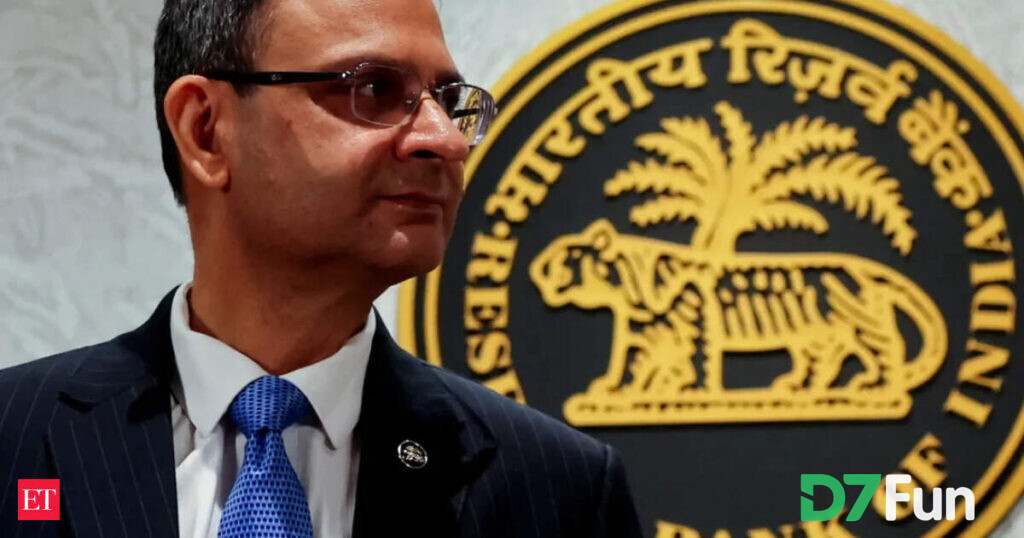
In a recent press interaction, RBI Governor Sanjay Malhotra explained that the early termination of the FCNR(B) window was a data-driven recalibration rather than a sudden policy reversal. According to official data, net dollar inflows from various channels had surpassed the central bank’s expectations. With forex reserves already robust and excessive inflows potentially triggering undesirable volatility in exchange rates, the RBI chose to close the scheme ahead of schedule. The governor emphasised that such adjustments reflect the bank’s continued commitment to keeping market conditions under close watch.
Impact on the Rupee and Market Dynamics
One of the primary objectives behind the FCNR(B) offering was to support the rupee amid swings driven by shifting global sentiment. Strong dollar supplies can exert downward pressure on the domestic currency when converted in large volumes. By ending the scheme early, the RBI aims to moderate inflows and thereby reduce abrupt moves in the exchange rate. Market analysts expect this decision to help keep the rupee within a more stable trading band, benefitting importers, exporters and investors alike.
Implications for NRI Depositors
Non-resident Indians who had planned to take advantage of the scheme’s interest rates now need to explore alternative instruments. NRIs can still consider Non-Resident External (NRE) and Non-Resident Ordinary (NRO) deposit accounts, which offer flexibility in currency conversion and tax treatment. While these accounts do not match the longer tenures originally available under FCNR(B), they remain useful vehicles for parking foreign currency inflows. Financial advisors also suggest looking at foreign currency bonds or international mutual funds based on individual risk appetite.
Looking Ahead: RBI’s Policy Approach
Governor Malhotra underlined that closing the FCNR(B) window does not signal any departure from the central bank’s broader policy objectives. Instead, it demonstrates an active stance towards exchange rate management, liquidity control and macroeconomic stability. In recent communications, the RBI has stressed its readiness to calibrate policy levers as data evolves—be it adjusting liquidity operations, fine-tuning interest rate corridors or conducting foreign exchange interventions.
For the Indian economy, this measured approach is crucial at a time when global interest rate shifts and geopolitical developments can quickly translate into capital flow swings. The early closure of the FCNR(B) scheme is a reminder that central banks must remain agile, using real-time data to guide decisions. As India continues to attract foreign investments and remittances, such policy flexibility will play a key role in sustaining growth while safeguarding financial stability.