
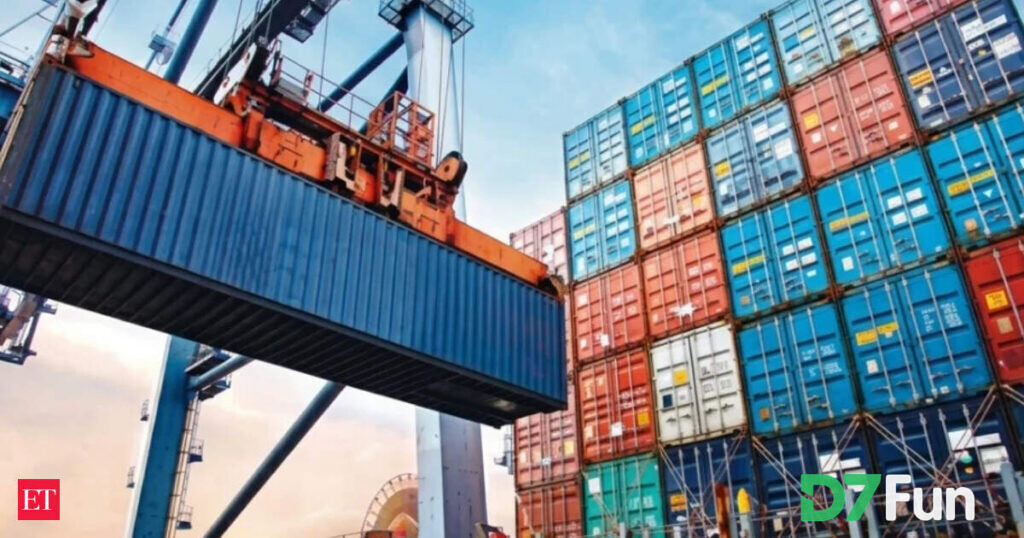
Surge in Spring 2027 Apparel Orders
As the clock ticks down on potential tariff escalations, Indian apparel exporters are scrambling to seal Spring 2027 shipments to the US market. With major retailers in the United States facing shelf restocking deadlines, suppliers across labour-intensive hubs such as Tirupur, Mumbai and Delhi are working around the clock to complete orders before higher duties kick in.
10% US Tariff Impact on Indian Exports
Last year, a 10% tariff was imposed on a broad range of Indian-made garments entering the US, increasing costs for importers and squeezing margins for suppliers. This change came at a time when global supply chain disruptions were already impacting lead times and logistics costs. Faced with this additional burden, exporters are now racing to dispatch goods under current tariff rates, aiming to avoid further hikes that could be announced later this year.
Industry Response and Operational Shifts
To meet the surge in demand, many manufacturers have adjusted production schedules, hired additional temporary staff and extended factory shifts. Textile parks in Tamil Nadu and Gujarat report 24/7 operations as they push to complete orders. Some exporters are also diversifying their client base to reduce dependency on any single market.
“We’ve onboarded more skilled tailors and streamlined processes at our units to ensure on-time delivery,” says a Bengaluru exporter. “Swift coordination across sourcing, cutting, stitching and packaging has become our top priority.”
Merchandise Exports on the Rebound
Despite challenges, India’s merchandise exports recorded a sharp recovery in August, driven by strong performance in engineering goods, chemicals and textiles. Apparel, traditionally one of the largest contributors to export revenues, is aiming to regain momentum. The export target for the current fiscal year stands at over USD 450 billion, with apparel playing a key role in achieving this goal.
Government incentives, such as Merchandise Exports from India Scheme (MEIS) alternatives and improved infrastructure at ports, are helping exporters navigate cost pressures. Enhanced digital platforms for trade facilitation have also sped up clearances, shortening lead times and reducing logistics bottlenecks.
Strategic Outlook for Labour-Intensive Sectors
Labour-intensive segments of the textile and garment industry are especially sensitive to global policy shifts. To stay competitive, exporters are investing in modern machinery, adopting eco-friendly fabrics and obtaining international certifications. This not only improves compliance with overseas buyers’ standards but also appeals to sustainability-focused consumers.
“Our focus is on combining speed with quality,” explains an entrepreneur from Ludhiana. “By upgrading to automated cutting and digital pattern making, we can handle last-minute orders without compromising on workmanship.”
Preparing for Future Trade Dynamics
Looking ahead, industry leaders stress the need for agile strategies. While the immediate priority is to clear Spring 2027 shipments under current tariffs, preparations are already underway to adapt to possible 15% or higher duty rates next season. Continuous dialogue with trade bodies and government representatives seeks to find relief measures or phased adjustments.
Indian apparel exporters remain optimistic, citing strong brand partnerships and growing demand for ethical manufacturing. By capitalising on competitive labour costs and improving operational efficiencies, the sector hopes to maintain its position among the top global suppliers.
Conclusion
The rush to lock in Spring 2027 US orders highlights the resilience of India’s apparel export industry. Confronted with tariff headwinds and intense competition, exporters are innovating and scaling up productivity to meet deadlines and client expectations. With government support and industry collaboration, the sector is poised not only to weather current challenges but also to chart a sustainable growth path in the years ahead.


