
Rice Prices Spike as Geopolitical Tensions Mount
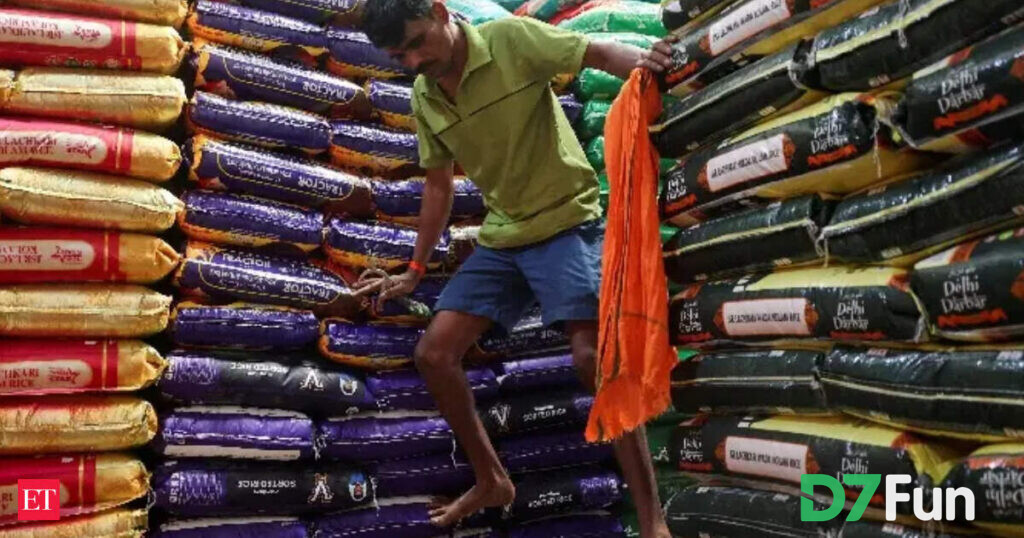
Across India, rice prices have surged sharply in recent weeks. The ongoing war between the US and Iran has prompted nations worldwide to shore up critical food stocks. As a result, demand for key staples such as rice has jumped both domestically and internationally. With new planting on the horizon, consumers and traders alike are bracing for sustained pressure on their budgets until fresh harvests arrive in October and November.
Global Conflict and Supply Chain Disruptions
The US-Iran conflict has sent ripples through global commodity markets. Facing uncertainty over future shipments, many countries are stepping up imports of essential grains. India, as one of the world’s leading rice exporters, has experienced record enquiries from buyers in Asia, Africa and the Middle East. This surge in overseas demand has tightened supplies at home, contributing to noticeable price spikes.
Price Hikes Across Basmati and Non-Basmati Varieties
Local traders report that premium basmati rice prices have climbed by 15–20% compared to levels earlier this year. Meanwhile, non-basmati varieties—often used in everyday cooking—are now 20–25% costlier. In key markets such as Delhi, Kolkata and Chennai, shoppers are paying up to ₹5–10 per kilogram more than usual for common milled rice. Experts warn that upward momentum may persist until the next harvest season eases pressure on stocks.
Impact on Consumers and Farmers
For urban households, rising rice costs are forcing budget reallocations toward groceries and household essentials. Many middle-income families are now exploring alternative grains or cheaper rice grades to manage expenses. On the other hand, rice farmers are enjoying higher realisations for their produce. With domestic prices elevated, cultivators in Punjab, Haryana and West Bengal are recording stronger margins. However, uncertainties around input costs—including fertilisers and fuel—could offset some gains.
Government Measures and Market Outlook
India’s government has moved to stabilise prices by allowing additional export quotas for non-basmati rice. At the same time, authorities are monitoring stock levels among private traders and state agencies to guard against hoarding. While these steps aim to ensure adequate supplies locally, experts caution that geopolitical developments will remain the primary driver of volatility in food markets.
Looking Ahead: The New Crop Season
Rice sowing for the upcoming Rabi season is set to start soon, with favourable weather forecasts offering some optimism. Should planting and monsoon performance remain on track, the fresh crop arriving in October and November could relieve current supply tightness. Until then, consumers and businesses can expect prices to trade at elevated levels, as global demand outpaces immediate availability.
In this climate of uncertainty, staying informed on market movements and government policy updates will be key. For now, India’s rice sector remains at the crossroads of geopolitics and agriculture, shaping the cost of this essential staple on dining tables nationwide.


