
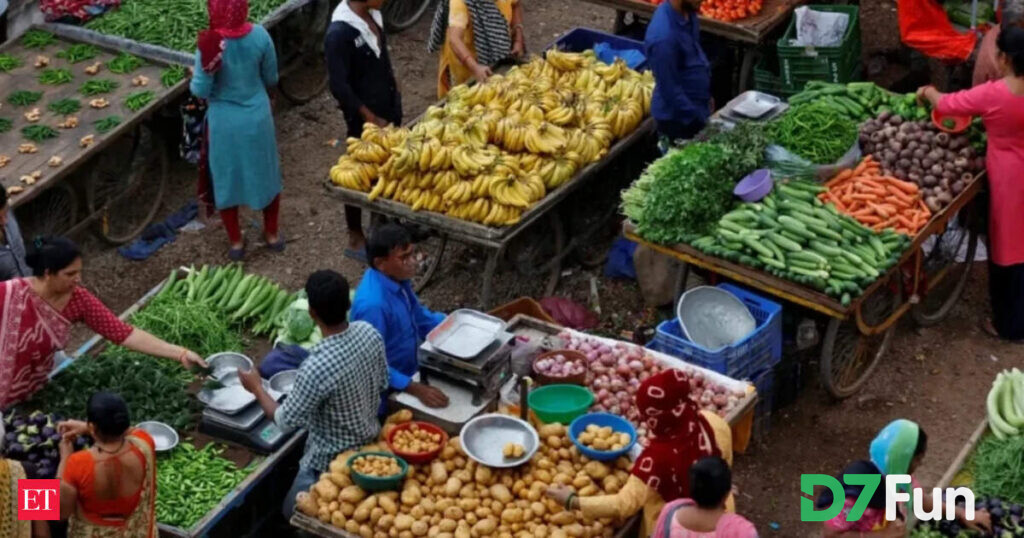
Wholesale Inflation in August: Key Figures
In August 2023, India’s wholesale price index (WPI) surged to 9.92%, up from 9.78% in July. This marks the highest WPI reading in over a year and slightly exceeds market expectations of 9.89%, according to a recent Reuters poll. The persistent rise in wholesale inflation underscores the growing pressure on producers and supply chains, as they grapple with elevated input costs.
Primary Drivers Behind the Uptick
The acceleration in wholesale inflation during August was largely fueled by sharp increases in food and fuel prices. Vegetable oils, cereals and pulses saw notable jumps in price due to supply constraints and seasonal factors. Meanwhile, fuel products, including diesel and LPG, registered elevated costs following higher international crude oil rates. Together, these components have pushed the overall WPI index closer to the 10% threshold.
Impact on Businesses and Supply Chains
Manufacturers and distributors are feeling the pinch as rising costs of raw materials and energy squeeze profit margins. Several sectors—from FMCG to textiles—have reported tighter budgets for procurement, compelling them to explore cost-saving measures. Companies may pass on a portion of these increased costs to customers, affecting their competitiveness. The heightened price pressure could also lead to adjustments in supply chain strategies, with firms seeking alternative suppliers or passing on long-term contracts instead of spot purchases.
How Consumers Could Be Affected
While wholesale inflation measures price changes at the factory gate, these trends often feed into retail price movements in the months ahead. With consumer inflation data due soon, economists predict that urban and rural households may face steeper food and fuel bills. A rise in retail inflation to a 20-month high is widely anticipated, which could influence household budgets and spending patterns—especially among middle- and lower-income groups.
Policy Response and RBI Outlook
The Reserve Bank of India (RBI) monitors wholesale and consumer price data closely when setting interest rates. A sustained elevation in wholesale inflation could prompt the central bank to revisit its monetary policy stance. Any future rate decisions will balance the priority of taming inflation with supporting economic growth, particularly as India aims to maintain a steady recovery trajectory.
Comparative Trends Over the Past Year
Year-on-year wholesale inflation has fluctuated over the last 12 months, driven by global commodity cycles and domestic demand fluctuations. During early 2023, WPI readings moderated somewhat but rebounded mid-year as supply bottlenecks re-emerged. The latest figures suggest that inflationary pressures remain entrenched, making it essential for stakeholders to stay vigilant.
Outlook: What to Expect Next
As India approaches the festive season, demand for food items and fuel is poised to rise. Unless supply-side challenges ease or global crude oil prices retreat, wholesale inflation may remain elevated. Market observers will be keeping a close watch on upcoming consumer price index (CPI) releases, as well as any intervention by policymakers to ensure that inflation expectations remain anchored.
Businesses and consumers alike should prepare for sustained price pressures in the coming months. For now, the near-10% WPI reading in August serves as a wake-up call, highlighting the enduring impact of global and domestic factors on India’s cost structure.


