
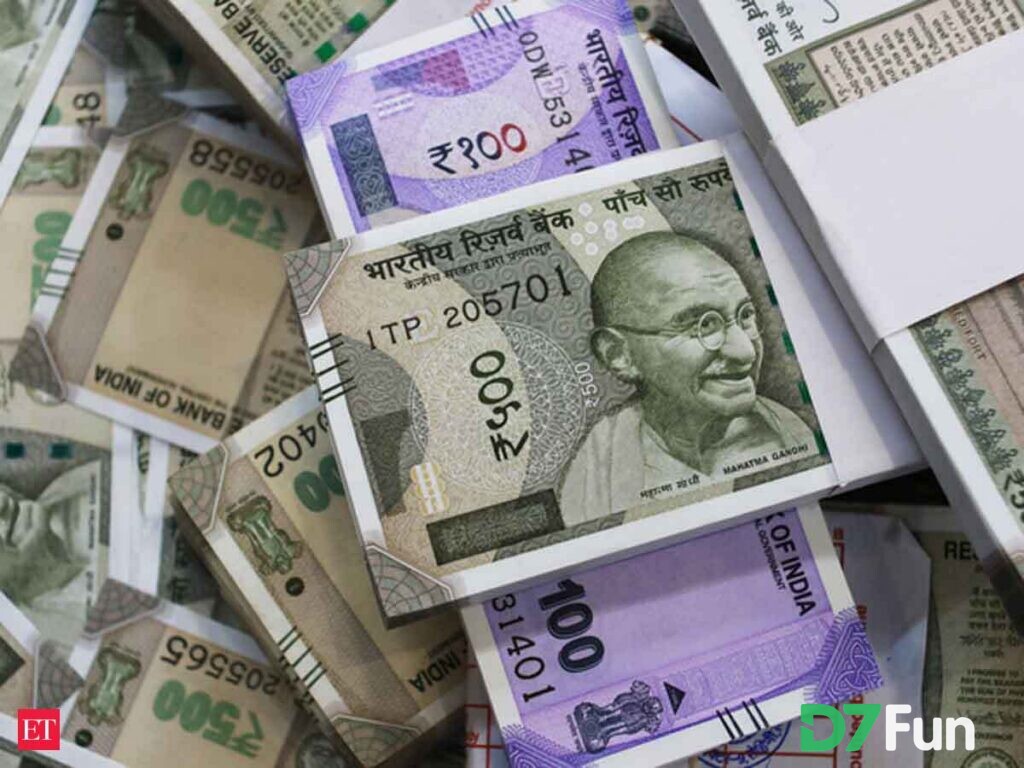
Centre Gives Major Financial Push to States
The Centre has released an additional instalment of tax devolution worth Rs 1.09 lakh crore to states, offering a significant financial boost at a time when many state governments are preparing for higher festive-season spending and development commitments. The move is expected to improve liquidity at the state level and help administrations manage ongoing welfare schemes, infrastructure projects and regular expenditure more smoothly.
For Indian readers tracking economic developments, this development is important because tax devolution forms a key part of the Centre-state fiscal transfer system. The latest release comes as states look to balance revenue needs with rising expenditure pressures, especially around festivals, public services and regional development work.
Uttar Pradesh Gets the Biggest Share
Among all states, Uttar Pradesh received the largest allocation of Rs 19,208 crore. Bihar followed with Rs 10,845 crore, reflecting the scale of fund transfer to two of the country’s most populous states. Madhya Pradesh was allocated Rs 8,010 crore, while West Bengal received Rs 7,866 crore.
Other major beneficiaries included Maharashtra, which received Rs 7,022 crore, and Rajasthan, which was allocated Rs 6,460 crore. Odisha got Rs 4,819 crore, and Andhra Pradesh was given Rs 4,597 crore. These funds are expected to support state-led spending across administration, public services and infrastructure-related priorities.
Why This Transfer Matters for States
Tax devolution is one of the most important channels through which the Centre shares revenues with states. When such an instalment is released, it gives state governments more room to plan expenditure without immediate borrowing pressure. It can also help faster movement of funds toward social welfare programmes, local development works and seasonal spending demands.
In practical terms, an infusion of this size can improve short-term fiscal comfort for states facing rising costs. It may also help governments maintain momentum in areas such as roads, health, education, agriculture support and urban services, all of which require steady funding.
Festive Season Timing Adds Relevance
The timing of the release is notable because it comes during a period when consumer activity, public spending and local economic movement generally pick up across India. State governments often need additional financial flexibility during this phase to meet commitments in sectors that see higher demand.
For households, businesses and public agencies, such fiscal support can have a wider ripple effect. More spending capacity at the state level can translate into stronger project execution, quicker payments in government systems and smoother implementation of welfare and development programmes.
What It Means for the Indian Economy
On a broader level, the release of Rs 1.09 lakh crore highlights the ongoing effort to keep state finances supported during a crucial part of the year. Stronger fiscal flows to states often play an important role in sustaining economic activity across regions, especially when public spending remains a major growth driver.
With large states such as Uttar Pradesh, Bihar, Maharashtra and West Bengal receiving sizeable allocations, the transfer is likely to be closely watched by economists and policymakers. The money may not immediately change headline economic trends, but it can provide meaningful support to state budgets and help maintain spending momentum at the ground level.
As India moves deeper into the festive period, this tax devolution release is set to serve as a timely financial cushion for state governments and a positive signal for public expenditure planning.


