
India’s Asset Monetisation Drive Moves Into the Next Phase
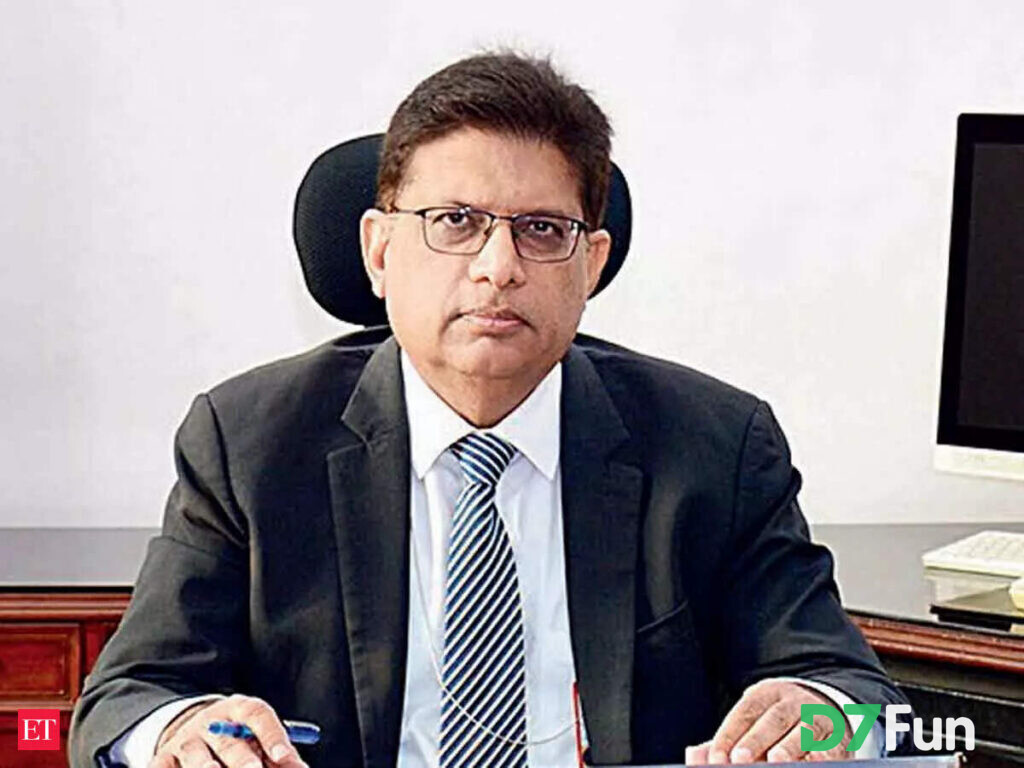
The government’s asset monetisation programme has already achieved its immediate target, but the journey is far from over. According to DIPAM secretary Arunish Chawla, the Centre is preparing to keep the momentum going with fresh steps aimed at unlocking value from public assets while strengthening long-term infrastructure and public ownership goals.
Chawla said the current target has been met, yet the broader policy push will continue. The focus now is on using existing assets in a more efficient way, bringing in private participation where needed, and ensuring the process supports India’s economic development without losing sight of public interest.
Second Public InvIT for Highways in the Pipeline
One of the major plans under discussion is a second public Infrastructure Investment Trust, or InvIT, linked to national highways. Chawla said a cluster of 10 national highways has already been identified as the underlying asset base for the proposed structure.
This move is expected to help convert highway assets into a more market-friendly instrument that can attract long-term investors and support infrastructure expansion. If implemented on schedule, the second public InvIT could be completed before the end of the current financial year.
For India’s infrastructure sector, this is a significant development. Highway assets have become an important part of the country’s growth story, and monetising them through structured vehicles like InvITs can provide fresh capital for future projects while keeping physical assets in public use.
Why Asset Monetisation Matters for the Indian Economy
Asset monetisation has become a key policy tool for the government. Rather than selling assets outright, the approach allows public assets to be used more efficiently, generating value that can be channelled into new development work. This is especially important in a country like India, where infrastructure needs remain large and capital requirements are high.
The broader idea is to improve productivity from existing assets while making room for new investment. In the highway sector, for example, monetisation can help recycle capital into fresh road-building activity, maintenance, and expansion.
For readers tracking India’s economic policy, this is a sign that the government is trying to balance fiscal discipline with growth-oriented spending. In practical terms, it means public assets are being used more strategically to support the next phase of infrastructure building.
Steps Toward Lower Government Stakes in Nationalised Banks
Chawla also pointed to another important direction in the government’s policy agenda: reducing the equity stake in nationalised banks gradually until it reaches the minimum public shareholding norm of 75%.
He described this as part of a larger mandate to share wealth with the people while staying in line with existing rules. The process is being carried out in a measured way, suggesting the government wants to avoid disruption while still moving toward compliance with market regulations.
This approach is likely to be watched closely by investors and policy analysts, as it touches both the banking sector and the government’s broader economic strategy. A gradual reduction in stake can widen public participation and improve market depth, while also allowing the state to retain meaningful ownership during the transition.
What This Means for Infrastructure and Markets
The latest update from DIPAM shows that the government remains committed to asset monetisation as a long-term policy instrument. From national highways to nationalised banks, the strategy is aimed at unlocking value, drawing in capital, and keeping India’s growth engines active.
For the infrastructure sector, the proposed highway InvIT could open another route for funding. For the financial sector, the gradual move toward the 75% public shareholding norm may influence market structure over time. Together, these steps highlight a policy framework focused on efficiency, compliance, and sustainable growth.
As India continues to invest in roads, transport, and financial reforms, asset monetisation will likely remain an important part of the economic conversation. Chawla’s remarks suggest that while one target may have been reached, the larger programme is still in motion and may gather more pace in the months ahead.


