
Global Inflation and Slower Growth Put Central Banks Under Pressure
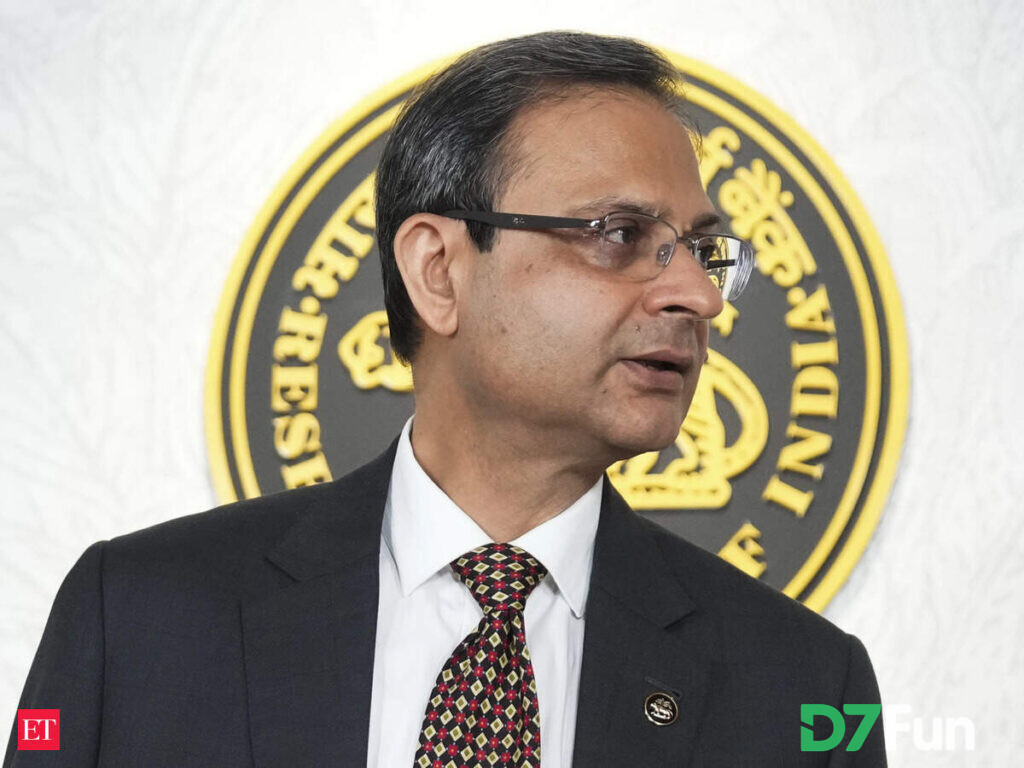
RBI Governor Sanjay Malhotra has said that central banks across the world are dealing with a difficult mix of elevated inflation, slower growth, and continuing uncertainty in global markets. According to him, this environment makes policy decisions more complicated than before, as authorities must balance price stability with the need to support economic activity.
Speaking on the current global backdrop, Malhotra pointed out that supply chain disruptions, external shocks, and changing trade conditions are still influencing prices in many countries. At the same time, growth projections have softened, creating a challenging setting for monetary authorities trying to guide their economies through volatile conditions.
India Enters the Phase With Stronger Fundamentals
While the world is facing a more uncertain economic path, Malhotra said India is entering this period from a position of relative strength. The country’s macroeconomic fundamentals remain solid, and the economy has shown resilience despite inflationary pressures. He highlighted that India recorded growth of 7.8%, underlining the country’s ability to stay on a strong footing even during a difficult global cycle.
For Indian readers tracking the economy closely, this is an important signal. Strong growth offers policymakers some room to manage inflation without hurting overall momentum too sharply. It also reflects how domestic demand, economic reforms, and stable financial conditions have helped India stay ahead of several other major economies.
RBI Focus Remains on Price Stability and Market Discipline
Malhotra said the Reserve Bank of India’s main responsibility continues to be price stability, while also ensuring orderly conditions in financial markets. In other words, the RBI is looking to keep inflation under control without disturbing the smooth functioning of the broader financial system.
This balance is especially important when external conditions remain uncertain. If inflation stays high for too long, households feel the impact through costlier essentials and slower purchasing power. At the same time, if policy becomes too tight, growth can lose pace. That is why central banking in the current environment demands a careful approach.
Why the Current Global Situation Matters for India
The Indian economy does not operate in isolation, and global trends often influence domestic prices, currency movement, trade flows, and investment sentiment. When inflation remains stubborn in major economies, it can affect imported prices and shape expectations in emerging markets like India.
Lower growth forecasts abroad can also affect exports and global capital flows. For India, that means policymakers must remain alert and flexible. Malhotra’s comments suggest that the RBI is watching both domestic conditions and international developments closely before making major policy decisions.
A Careful Monetary Path Ahead
The RBI governor’s remarks reflect a broader truth about the present global economy: central banks have less room for error. They must respond to price pressures while also supporting growth and maintaining confidence in the financial system. With inflation still above comfort levels in many parts of the world, and growth losing steam, the policy challenge has become more complex.
For India, the message is cautiously positive. The economy is on stronger ground than many others, but global volatility can still create headwinds. The RBI’s task will be to preserve stability, support orderly market conditions, and protect the country’s growth story as international pressures continue to build.
As the global economy navigates this difficult phase, Malhotra’s assessment serves as a reminder that strong domestic fundamentals matter more than ever. India’s ability to manage inflation while sustaining growth will remain a key focus for policymakers, businesses, and households in the months ahead.


