
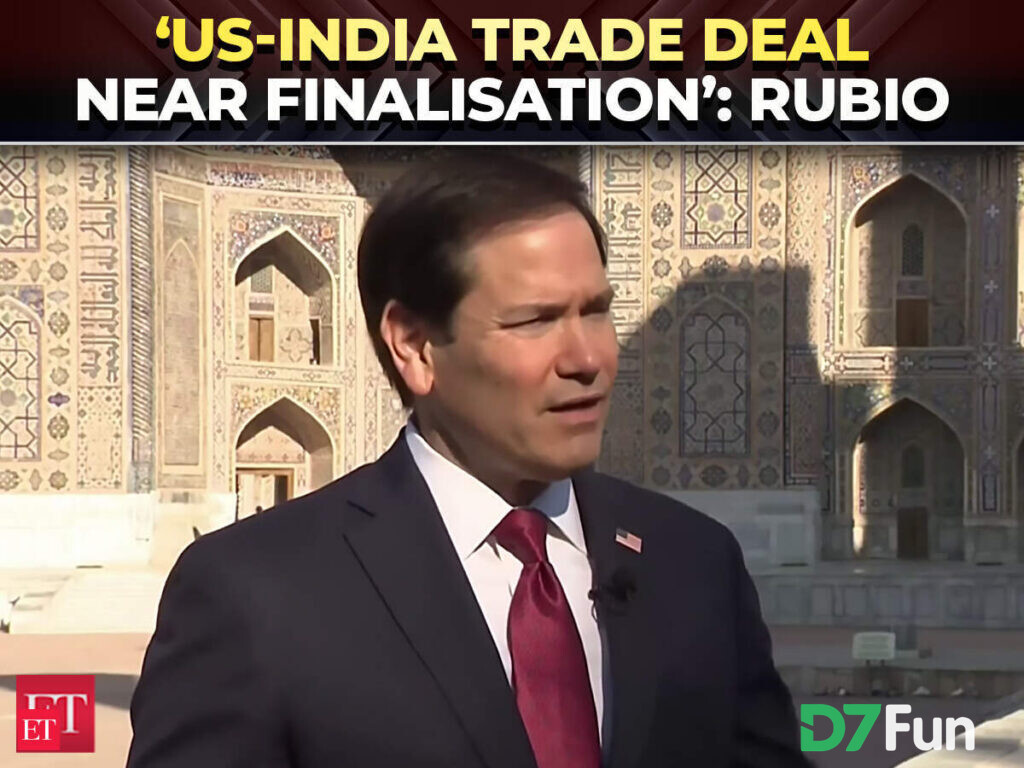
Background of US-India Trade Talks
In recent months, discussions between the United States and India on a comprehensive trade agreement have gained significant momentum. Senator Marco Rubio of Florida, a key figure in Washington’s trade policy dialogues, has indicated that both nations are extremely close to locking in terms that could transform bilateral economic ties.
Key Highlights from Senator Rubio
During a media interaction, Senator Rubio emphasised that negotiators from both sides have made substantial progress across critical areas such as market access, tariff reductions, and the removal of trade barriers. He noted that the deal framework is largely in place, with only technical details left to resolve before formal endorsement.
Potential Benefits for Indian Industries
A successful trade pact could unlock fresh opportunities for India’s exporters. Sectors such as information technology services, pharmaceuticals, textiles, and agricultural products stand to gain from reduced duties and streamlined customs procedures. Enhanced access to the US market may also encourage more Indian companies to explore partnership opportunities, fostering innovation and job creation back home.
Defence and Technology Collaboration
Beyond tariffs, defence cooperation and technology sharing have emerged as important pillars of the ongoing negotiations. India has been keen to diversify its defence imports with advanced equipment, while American firms are eager to collaborate under India’s indigenous manufacturing push. A formal agreement could pave the way for joint ventures and co-development of defence platforms, strengthening strategic ties.
Addressing Concerns on Trade Imbalance
Trade imbalance has often been a sticking point in US-India talks. With the United States running a sizeable goods trade deficit, Indian negotiators are seeking assurances on fair treatment for their exporters, alongside better regulatory alignment in sectors such as agriculture and digital services. Senator Rubio’s comments suggest both sides are ready to compromise, aiming for a balanced outcome.
Timeline for Finalisation
According to Senator Rubio, final negotiations could conclude before the next high-level economic summit between the two countries. He highlighted the strong political will on both sides to conclude the deal promptly, citing shared interests in bolstering growth and strengthening strategic cooperation in an evolving global landscape.
Implications for the Indian Economy
For Indian policymakers, a robust US-India trade agreement could boost foreign investment inflows and enhance India’s standing as a reliable trade partner. Analysts believe that tariff reductions would lower input costs for manufacturers, while service sector liberalisation could attract American firms to set up regional headquarters in India. This synergy is expected to create new employment avenues and spur domestic growth.
Next Steps for Stakeholders
With the contours of the agreement largely defined, businesses, industry bodies, and investors are monitoring developments closely. Stakeholders are preparing to engage with government agencies to understand new compliance requirements and leverage benefit schemes once the pact is ratified.
As Senator Rubio’s optimism resonates through the corridors of power, an official announcement could arrive soon, marking a milestone in one of Asia’s most important trade relationships.


