
India’s Trade Ambitions with Russia
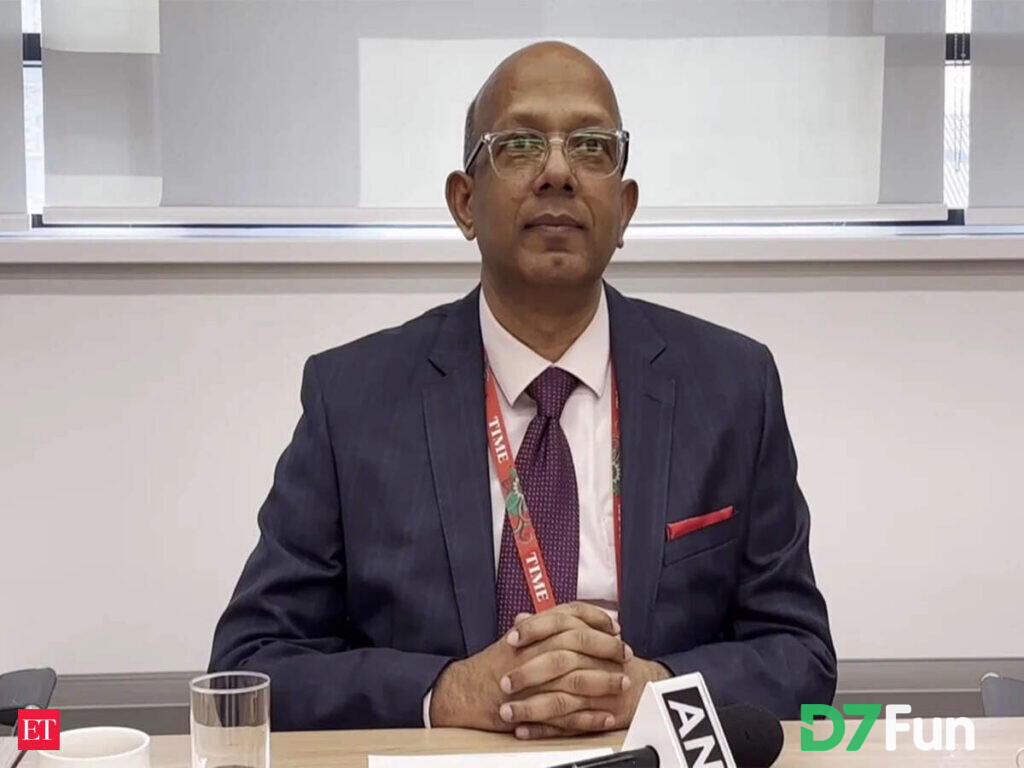
India has set an ambitious target of scaling bilateral trade with Russia to USD 100 billion by the year 2030. Speaking in Moscow, Indian Ambassador to Russia Vinay Kumar highlighted ongoing negotiations and strategic initiatives designed to bolster economic ties between the two nations. With the first half of this year already registering a trade turnover of USD 38 billion, India’s government is optimistic about sustaining the momentum.
Progress on Free Trade Agreement with EAEU
At the heart of India’s strategy is a proposed Free Trade Agreement (FTA) with the Eurasian Economic Union (EAEU), which includes Russia, Belarus, Armenia, Kazakhstan, and Kyrgyzstan. Official talks are underway to reduce tariffs, simplify customs procedures and open new avenues for exporters. If successfully concluded, the FTA is expected to bring attractive opportunities for Indian manufacturers, farm producers and service providers, delivering significant rewards in terms of market expansion.
Diversifying India’s Export Portfolio
To reach the USD 100 billion milestone, India plans to broaden its export basket beyond traditional goods such as pharmaceuticals, textiles and engineering products. Emerging sectors like information technology services, renewable energy equipment and agro-processed foods are gaining attention. Government agencies are working closely with industry bodies to provide capacity-building support, ensuring producers can meet regulatory standards and consumer preferences in the Russian market.
Enhancing Market Access and Connectivity
Improved connectivity is a key pillar of India’s outward-looking trade policy. Sea routes via the Arabian Sea–Pacific corridor, rail networks through Central Asia and proposed cold-chain logistics projects promise to reduce transit times and costs. Diplomatic missions are collaborating with port authorities and logistics firms to streamline cargo handling, while digital platforms are being rolled out to facilitate real-time tracking and customs clearance.
Leveraging Synergies in Energy and Technology
India’s energy demand continues to grow, and Russia is a major supplier of crude oil, natural gas and coal. Beyond hydrocarbons, both nations are exploring joint ventures in nuclear energy, renewable power generation and satellite technology. Enhanced cooperation in research and development could unlock innovative solutions for sectors ranging from agriculture to healthcare, creating new streams of rewards for businesses on both sides.
Challenges and Road Ahead
While the vision is clear, practical challenges remain. Geopolitical shifts, regulatory hurdles and currency fluctuations could impact trade flows. To mitigate these risks, India is negotiating currency-swap arrangements and exploring alternative payment mechanisms. Continuous dialogue between trade ministries, regulators and private stakeholders will be crucial for ironing out complexities and sustaining the match excitement of bilateral commerce.
Outlook for 2030
With less than a decade to go, India’s goal of reaching USD 100 billion in trade with Russia will depend on decisive implementation of policy measures and robust public–private collaboration. If current trends persist and the Free Trade Agreement with the EAEU materializes, both nations stand to gain substantially from deeper economic integration. By diversifying exports, enhancing market access and leveraging technological partnerships, India and Russia are on track to forge a dynamic trade relationship that extends well into the next decade.
Source: Economic Times


