
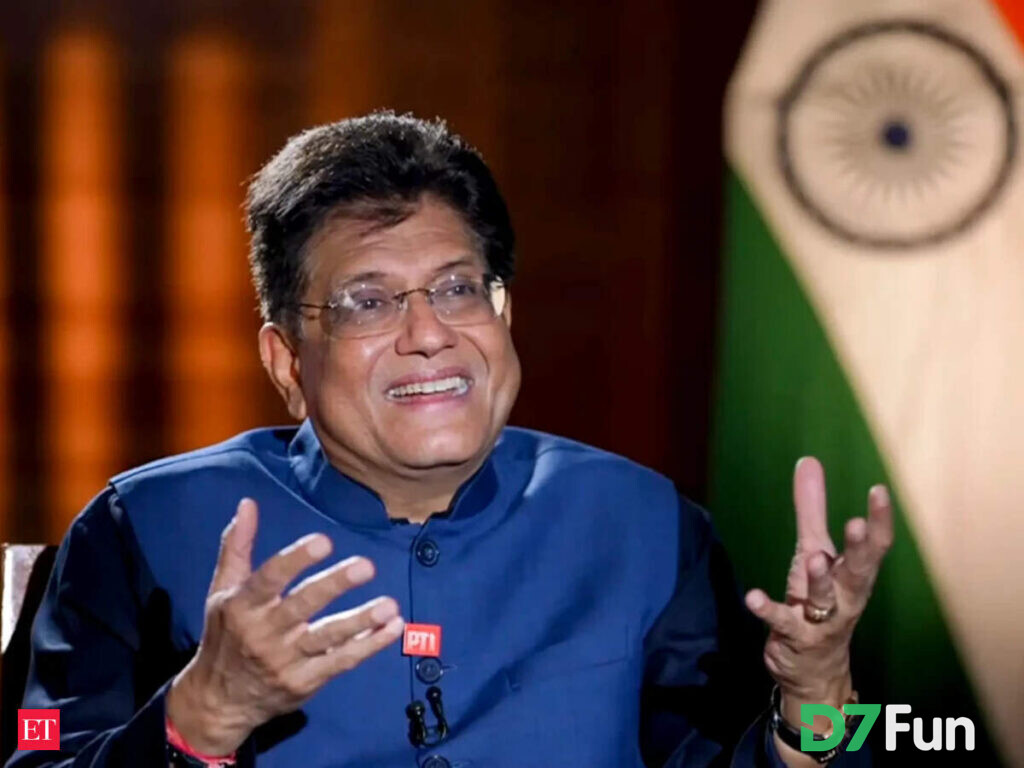
India and the United States are poised to conclude negotiations on a landmark trade pact, as informed by Commerce and Industry Minister Piyush Goyal. With the deal now in its final stage of legal drafting, Indian exporters can soon look forward to more predictable duties and smoother market entry into the US.
Final Phase of Legal Drafting
After a series of intense discussions with US trade representatives in Delhi and Washington, both sides have narrowed differences on key commercial demands. Senior officials confirm that the text is being fine-tuned by legal teams, with the objective of ironing out any ambiguity before formal signature. This detailed examination of clauses covers product coverage, rules of origin, customs procedures, and dispute resolution mechanisms.
Preferential Access for Exporters
One of the principal aims is to secure preferential access for Indian businesses. By stabilising tariffs and pruning non-tariff barriers, exporters of textiles, pharmaceuticals, engineering goods, and information technology services will gain a cost advantage. This clarity on duties and standards will empower small and medium enterprises to plan volumes and pricing well in advance, ensuring they can compete more effectively on the global stage.
Key Issues and Resolutions
While progress has been steady, some sticky points remained. India insisted on safeguarding its dairy and agricultural sectors, seeking a balanced phase-in period rather than immediate tariff elimination. The US, on its part, pressed for stronger intellectual property protection and market access for certain dairy items and medical devices. Both sides have signaled a willingness to compromise, with flexible timelines and transitional safeguards under active consideration.
Tariff Stability and Regulatory Cooperation
Beyond immediate duties, the pact aims to establish a framework for regulatory cooperation. This includes mutual recognition of standards, joint committees on technical barriers to trade, and faster customs clearances through digital documentation. Such mechanisms are crucial in reducing logistical delays and lowering compliance costs for cross-border shipments.
Economic Impact and Next Steps
Industry bodies in India have welcomed the minister’s update, noting that improved bilateral trade relations could boost goods and services exports by billions of dollars annually. Once the legal text is finalised, it will undergo cabinet approval followed by parliamentary consultations. Observers expect the agreement to be signed within the next quarter, with phased implementation beginning shortly thereafter.
Looking Ahead
For Indian exporters, the pending trade pact promises clarity, stability, and enhanced market reach. By resolving legacy issues and setting a streamlined path for regulatory collaboration, the deal is likely to bolster India’s competitiveness. As both governments complete the legal checks, businesses can prepare to leverage the new dispensation for sustainable growth.
Stay tuned for further updates on the signing ceremony, implementation timelines, and sector-wise benefits as India and the US move closer to formalising this pivotal agreement.


