
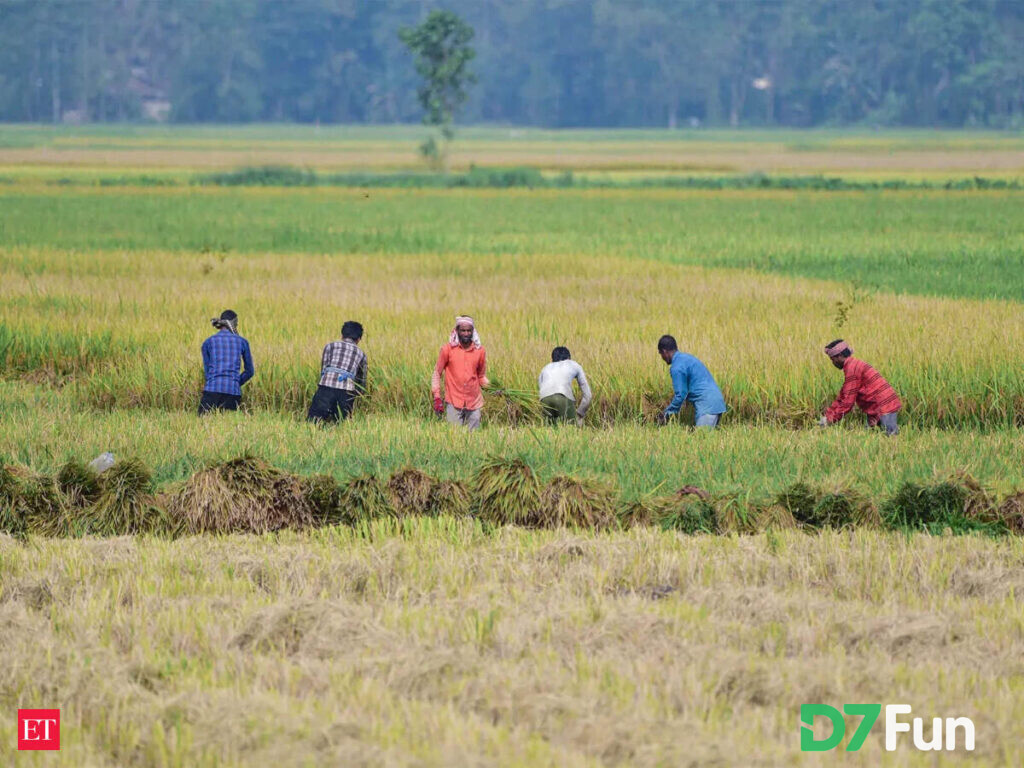
Monsoon Gap and Its Impact on Farmers
As India gears up for the Rabi season, a significant monsoon deficit is casting a shadow over sowing plans. With rainfall levels trailing behind the long-term average, farmers across several states are expressing concern over water availability for key winter crops such as wheat, pulses and oilseeds. Reduced precipitation this monsoon has translated into lower soil moisture, prompting cultivators to rethink acreage and crop choices.
Declining Soil Moisture and Reservoir Levels
Recent reports indicate that more than half of India’s major reservoirs are storing less water compared to the same period last year. In states like Maharashtra, Karnataka, and Andhra Pradesh, crucial dams are running at 20–30% capacity, heightening stress on agricultural activities. Soil moisture data from the India Meteorological Department underscores the worrying trend: root-zone storage has dipped below normal in large swathes of the Indo-Gangetic plains.
Crop-Specific Concerns for the Rabi Season
Wheat, which alone contributes to over 12% of India’s foodgrains output, is at the centre of sowing debates. Lower soil moisture may impede germination and early growth stages, potentially disrupting yields. Pulses and oilseeds— critical for protein and edible oil security—face similar challenges. Farmers relying on residual moisture often adopt lower-density planting or switch to shorter-duration varieties to cope with water constraints.
Government Guidance on Sustainable Sowing
Recognising the gravity of the situation, both central and state governments have issued advisories urging farmers to align crop choices with water availability. Recommendations include:
- Opting for low-water-intensive crops in arid and semi-arid regions
- Using precision irrigation tools such as drip and micro-sprinkler systems
- Leveraging community tanks and minor irrigation sources judiciously
- Adopting short-duration and drought-tolerant seed varieties
Extension services and agri-research centres are hosting workshops and distributing guidelines to help cultivators optimise input costs while maximising returns in an environment of growing uncertainty.
Market Dynamics and Input Management
Traders and input suppliers are closely watching the acreage trends. A contraction in sowing area could trigger price volatility for staples like wheat and mustard. To counteract shortages, grain stocks might be drawn from buffer reserves, and procurement agencies could intervene in spot markets. Fertiliser and pesticide demand will likely reflect cropping shifts, with a possible uptick in demand for micronutrients that bolster plant resilience under moisture stress.
Technological Interventions and Online Entertainment
Digital agriculture platforms are stepping up to support farmers in this critical phase. Mobile-based decision tools offer real-time weather forecasts, soil moisture analytics and recommended sowing dates. Some platforms even introduce match excitement features—interactive quizzes and reward-based challenges—to educate growers on best practices while keeping engagement high. This blend of practical insights and online entertainment fosters timely action in the fields.
What Lies Ahead for the Rabi Season
With Rabi sowing around the corner, the agriculture community remains cautiously optimistic. Adaptive measures—ranging from crop diversification to precision farming—are key to mitigating water stress. Government schemes such as the Pradhan Mantri Krishi Sinchai Yojana (PMKSY) and state-supported irrigation grants can further ease the burden on water-scarce districts.
Ultimately, collaborative efforts among policymakers, farmers and agri-tech providers will shape the success of this Rabi season. By tailoring crops to local water scenarios and embracing innovative farming solutions, India can navigate the monsoon deficit and sustain its food security trajectory.


