
Path to a Record-Breaking Disinvestment Campaign
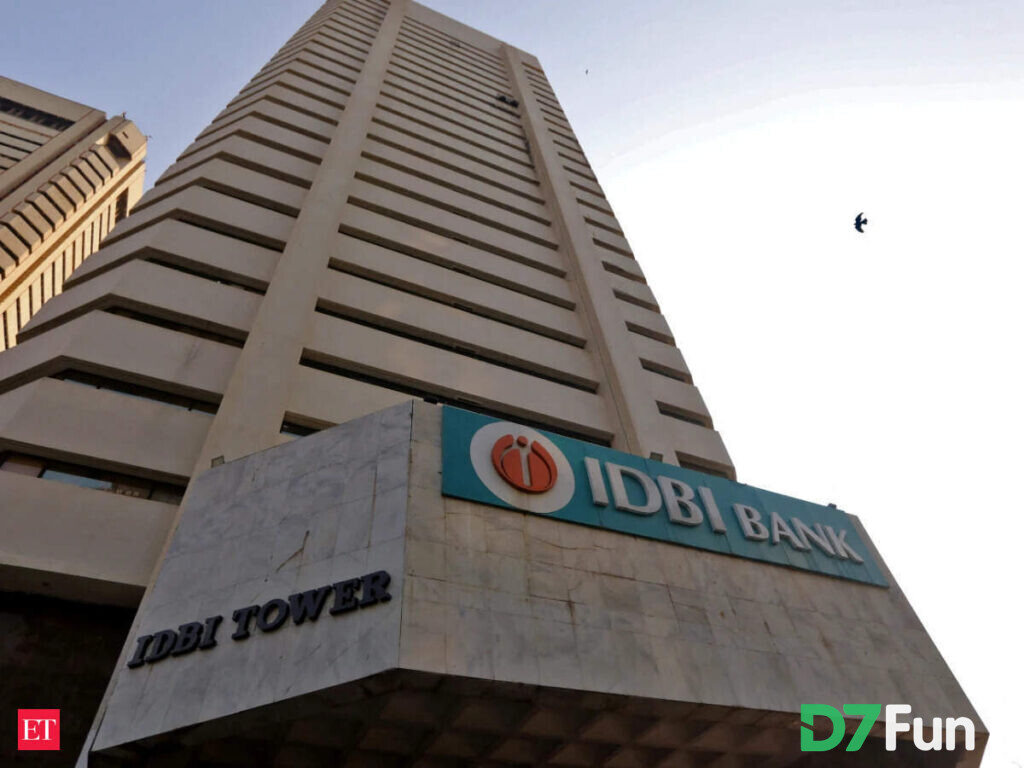
In a significant fiscal development, the Indian government is on track to exceed its Rs 80,000 crore disinvestment target for the 2026–27 financial year. If realised, this milestone will mark the first time since FY19 that the Centre has crossed this threshold. The driving force behind this achievement is the strategic sale of its stake in IDBI Bank, cementing another landmark deal in the ongoing public asset monetisation drive.
Strategic Sale of IDBI Bank Stake
The sale of IDBI Bank has emerged as a game-changer in the current disinvestment push. The government offloaded its 30.48% holding in the bank, alongside Life Insurance Corporation’s (LIC) 30.24% stake, in a deal valued at over Rs 52,878 crore. The combined packet sale reflects both robust investor appetite and strong valuations for the state-owned lender, underscoring renewed confidence in Indian public sector units.
Progress on Other Minority Stake Transactions
Beyond IDBI Bank, the Centre has already realised Rs 55,757 crore through the sale of minority stakes across various public sector undertakings (PSUs). These transactions span sectors such as power, aviation, and manufacturing, reinforcing the government’s commitment to unlock value from its holdings. With the IDBI Bank deal set to add a substantial sum to the kitty, the Rs 80,000 crore target appears well within reach.
Why This Matters for India’s Fiscal Health
Disinvestment proceeds play a crucial role in bridging the fiscal gap and financing key development priorities. By optimising its portfolio of public assets, the government can generate resources for infrastructure projects, social welfare schemes, and healthcare initiatives. Crossing the disinvestment target also signals market confidence and paves the way for future public-private partnerships.
Implications for Investors and Future Deals
The landmark sale of IDBI Bank offers investors fresh exposure to a revamped PSU banking franchise backed by strong regulatory oversight and improved capital buffers. It may encourage further bids in upcoming offerings from sectors such as logistics, energy, and financial services. As the government eyes additional strategic sales next year, market participants will be watching for similar marquee transactions.
Challenges and Outlook
Despite the momentum, the government faces challenges in sustaining high valuation levels and ensuring fair price discovery. Macroeconomic headwinds, interest-rate dynamics, and global liquidity conditions can influence investor sentiment. Nevertheless, the decisive IDBI Bank divestment provides a blueprint for seamless execution and value realisation.
Conclusion
With the strategic sale of IDBI Bank leading the way, India’s disinvestment programme is poised to cross the Rs 80,000 crore landmark for the first time since FY19. This achievement underscores the government’s focus on prudent asset management and fiscal consolidation. As disinvestment proceeds bolster public finances, stakeholders across sectors will keenly follow the next batch of asset-monetisation opportunities.


