
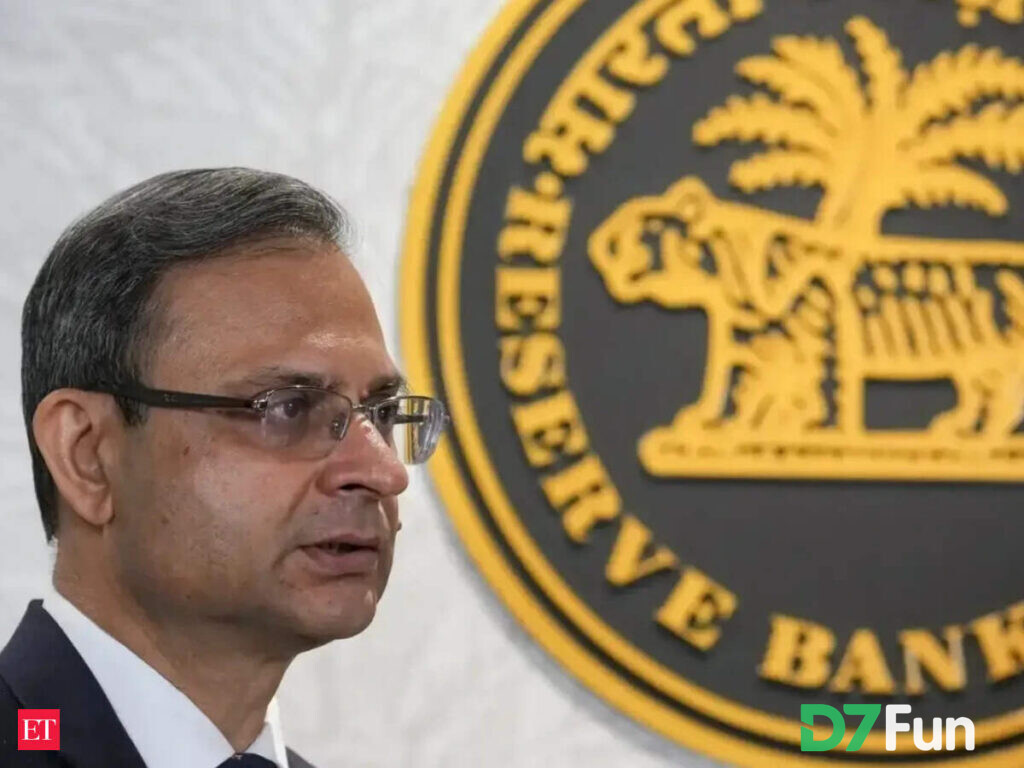
RBI Signals First Rate Hike in October 2024
The Reserve Bank of India (RBI) appears ready to shift gears by commencing its rate-hike cycle in October 2024. After a long period of accommodative monetary policy, the central bank’s decision reflects growing concerns over inflationary pressures that threaten to linger. With global oil prices on an upswing, unseasonal weather events disrupting supply chains, and a softer rupee adding imported cost pressures, the RBI is keen to strike a balance between sustaining growth and taming price rises.
Key Drivers of Inflation Pressure
Higher crude oil costs top the list of concerns. Brent crude has rallied on supply worries and geopolitical tensions, feeding into domestic petrol and diesel costs. India’s heavy dependence on imported energy means any uptick in global oil benchmarks is quickly felt at the pump and in market prices of goods and services.
In addition, climate-driven weather shocks—from erratic monsoon patterns to extreme heat—have disrupted agricultural output. Crop shortfalls translate into elevated food prices, a major component of India’s consumer price index. The RBI monitors these trends closely, knowing that sustained spikes in food inflation can erode real incomes and consumer demand.
Currency Movements and Geopolitical Strains
The rupee has experienced bouts of softness against the US dollar amid global uncertainty. A weaker currency makes imports costlier, adding to inflationary pressures. Central bank officials have indicated that foreign exchange interventions alone may not suffice if domestic demand remains robust and external risks persist.
Moreover, geopolitical flashpoints—from conflicts in energy-rich regions to trade tussles among major economies—have added a layer of unpredictability. Importers find raw material bills swelling, while exporters face volatility in overseas markets. This confluence of factors has convinced the RBI’s Monetary Policy Committee (MPC) to prepare for a gradual rate normalization.
Outlook for Q4 2026 and Beyond
While the first hike is expected in October 2024, the MPC has kept the door open for another increase in the last quarter of 2026. This extended horizon suggests that the RBI is adopting a calibrated, data-driven approach. The projected timeline gives policymakers room to assess incoming data on growth, inflation, fiscal deficits and global financial conditions.
Financial markets have already begun pricing in higher borrowing costs. Lending rates on home loans, auto financing and other credit products could trend upwards in the coming months. Borrowers may face tighter equated monthly installments, but the RBI’s move is aimed at preventing a protracted inflationary cycle that could undermine economic stability.
Implications for Businesses and Consumers
For corporates, a higher interest rate environment means costlier capital. Businesses reliant on debt to fund expansion or working capital may need to revisit their investment timelines. On the flip side, savers could benefit from improved deposit rates, which may offer better returns than in recent years.
Consumers should brace for a subtle change in spending dynamics. While discretionary buying may dampen, essential expenditures on fuel, food and utilities are likely to dominate household budgets. The RBI must walk a tightrope: tightening enough to contain inflation but avoiding an overly aggressive stance that could stall growth.
What to Watch Next
Market participants will be eyeing the RBI’s forthcoming policy meeting minutes and Governor’s press statements for clues on the pace and scale of rate adjustments. Key data points include core inflation figures, retail price indices and GDP growth forecasts. Global developments—such as US Federal Reserve decisions and oil supply updates—will also factor into the RBI’s roadmap.
As India navigates these challenges, the RBI’s policy pivot in October 2024 will mark a crucial step in anchoring inflation expectations while sustaining economic momentum. Businesses, investors and households alike will need to adapt to this new monetary stance, assessing risks and opportunities in a changing economic landscape.


