
Introduction
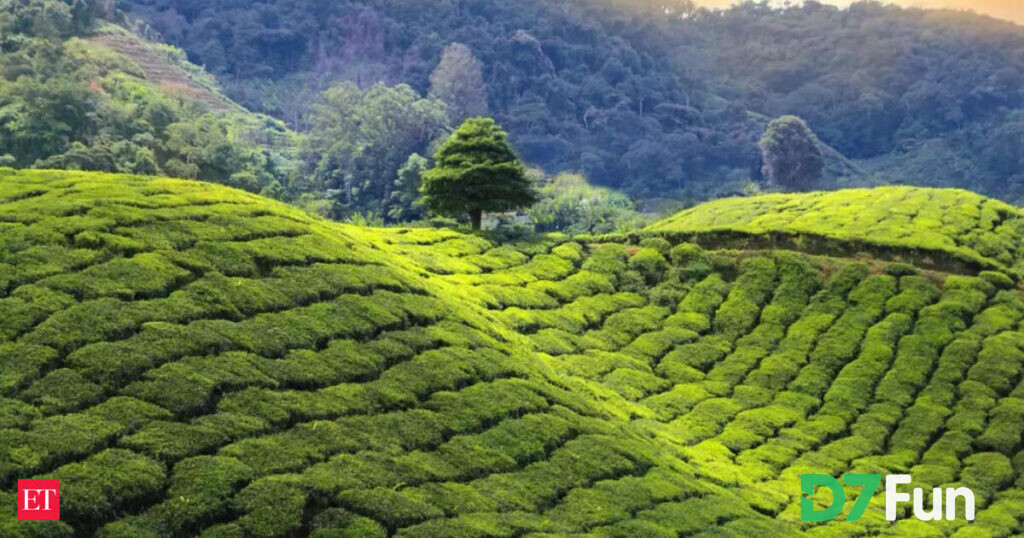
India’s tea estates, long admired for their lush green canopies and aromatic brews, are getting a technological upgrade. The Tea Board of India, collaborating with ISRO’s National Remote Sensing Centre and NIT Rourkela, has launched CHAAYANKAN. This pioneering initiative uses satellite imagery, weather data and drone surveys to monitor crop health in real time, detect pest threats early and forecast tea yields. The project promises to raise plantation productivity while empowering farmers with actionable insights.
Modernizing Tea Plantations with CHAAYANKAN
CHAAYANKAN, meaning ‘ tea vision ’, is designed to transform traditional tea farming practices. By combining high-resolution satellite images with ground reports, the platform creates a dynamic dashboard of plantation health. Growers across Assam, West Bengal and other tea-producing regions can now access near real-time updates on leaves’ vigour, moisture levels and pest alerts. This proactive approach helps farmers respond swiftly to stress factors and reduce crop losses.
Harnessing Advanced Analytics and Satellite Imagery
At the heart of CHAAYANKAN lies a suite of advanced analytics tools. Satellite images captured at regular intervals are processed to reveal subtle changes in plant coloration, canopy cover and soil moisture. Algorithms compare these patterns against historical data, flagging potential issues such as nutrient deficiency or disease outbreaks. With weather forecasts integrated, the system can predict when irrigation is needed, helping conserve water and optimise labour schedules.
Drone Technology and Field Observations
Complementing satellite scans, drones conduct low-altitude flights over tea gardens to gather detailed visuals. These aerial surveys capture high-resolution photographs and multispectral data, enabling precise mapping of crop conditions down to individual shrub level. Field officers and estate managers can ground-truth these findings by inspecting flagged areas. This synergy of drone and satellite data ensures that intervention measures are accurate and timely.
Forecasting Yields and Ensuring Crop Health
Accurate yield forecasts are vital for both farmers and tea buyers. Through CHAAYANKAN, stakeholders receive monthly projections based on plant growth rates, weather trends and past harvest records. Early detection of pest pressure—such as red spider mite or blister blight—enables targeted treatment before infestations spread. By minimising pesticide usage and optimising fertiliser application, the programme supports quality improvement and sustainable practices.
Impact on Indian Tea Industry and Beyond
Initial trials of CHAAYANKAN have shown a notable reduction in crop stress and up to 15% improvement in yield estimates. Smallholders in Assam report reduced input costs and fewer crop failures, while larger estates in Darjeeling have enhanced their quality grading. As India remains the second-largest tea producer globally, this digital leap could strengthen its competitive edge, ensuring consistent supply and premium flavour profiles for export markets.
Future Prospects and Sustainability
Looking ahead, CHAAYANKAN aims to expand its coverage to cover over 700,000 hectares of tea gardens nationwide. Plans include integrating soil sensors for real-time nutrient monitoring and a mobile app to deliver personalised alerts directly to farmers’ smartphones. By fostering data-driven decision-making, India’s tea sector can achieve greater sustainability, higher incomes for growers and a more resilient supply chain.
With satellite technology and advanced analytics working hand in hand, India’s tea farming is poised for a future where tradition and innovation brew the perfect cup.


