
Geopolitical Tensions and India’s Import Dependence
The ongoing Russia-Ukraine conflict has sent ripples through global commodity markets, with India’s edible oil and pulses sectors feeling the heat. Ukraine is a leading exporter of sunflower oil and yellow peas, and disruptions in the Black Sea shipping lanes have sharply curtailed supplies. As a result, importers in India could face significantly higher costs in the weeks ahead.
Black Sea Disruptions Drive Up Freight and Insurance Rates
Attacks on ports and vessels in the Black Sea have forced carriers to reroute ships or delay departures. Freight rates for bulk carriers have spiked, while insurance premiums for vessels navigating the region have soared. These added logistics expenses are expected to be passed down the supply chain, ultimately reflecting in the import price of key ingredients such as sunflower oil and yellow peas.
Impact on Sunflower Oil Prices in India
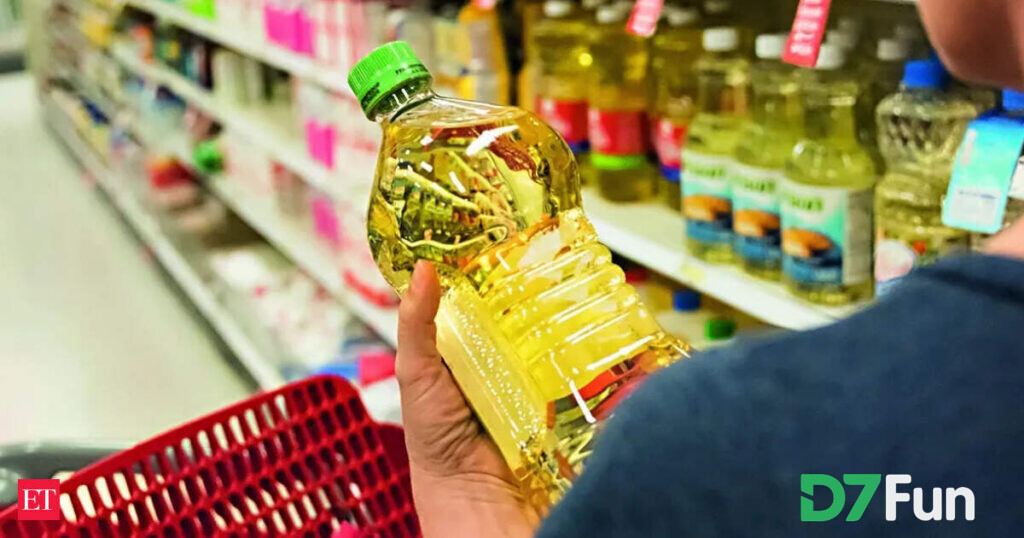
Sunflower oil is a popular cooking oil in many parts of India, prized for its neutral flavour and light texture. India sources a substantial share of its sunflower oil requirements from Ukraine and Russia. With exports curbed, domestic refiners may have to tap into alternative supplies such as Argentina or Eastern Europe, where prices are already at a premium. Consumers can anticipate a gradual uptick in retail rates at grocery stores and online supermarkets.
Yellow Peas Supply Tightens
Yellow peas are an affordable source of protein and fibre for millions of Indian households. They are also used in pet food and processed snacks. Ukraine accounts for a large chunk of global yellow peas exports. Disruptions in shipping have trimmed available volumes on the international market, pushing importers to seek other origins or pay higher premiums. This squeeze could reinforce pressure on domestic pulse inventories and retail prices.
Domestic Alternatives and Government Measures
To ease dependence on disrupted imports, industry experts suggest boosting local production and diversifying sourcing. India’s Agriculture Ministry has been in talks with Canada and Australia for additional yellow peas shipments. Meanwhile, producers in Maharashtra, Karnataka and Madhya Pradesh are being encouraged to expand sunflower acreage ahead of the next sowing season. Government stockpiles of cooking oils may also be released strategically to stabilise markets.
Trader Strategies and Market Sentiment
Wholesale merchants are closely monitoring shipping schedules and freight indices. Some have begun forward contracting at current rates, hoping to hedge against further spikes. Others are exploring bonded warehousing solutions to smooth short-term supply gaps. Market sentiment remains cautious; traders anticipate volatility until safe sea corridors are re-established or peace talks yield results.
Consumer Advice: Managing Kitchen Budgets
With edible oil and pulse prices on the rise, consumers can manage kitchen budgets by mixing sunflower oil with cost-effective oils such as soybean or groundnut. Bulk purchasing through cooperatives and online group buys may provide additional savings. For yellow peas, swapping in locally-grown lentil varieties like masoor dal or moong dal can help maintain nutritional balance without straining the wallet.
Looking Ahead: Risks and Opportunities
While the conflict’s duration remains uncertain, stakeholders in India’s food supply chain are preparing for an extended period of elevated import costs. Importers are scouting for new contracts in Latin America and Africa, and domestic farmers are being incentivised to bridge the gap. Long term, this disruption could spur investments in local oilseed and pulse cultivation, strengthening India’s resilience against future shocks.
In the months ahead, keeping an eye on freight trends, government policy updates and alternate sourcing pathways will be key for businesses and households alike. By staying informed and making strategic adjustments, India can mitigate the impact of rising sunflower oil and yellow peas prices brought on by the Russia-Ukraine war.


