
Onion Prices Hit Record Highs Across India
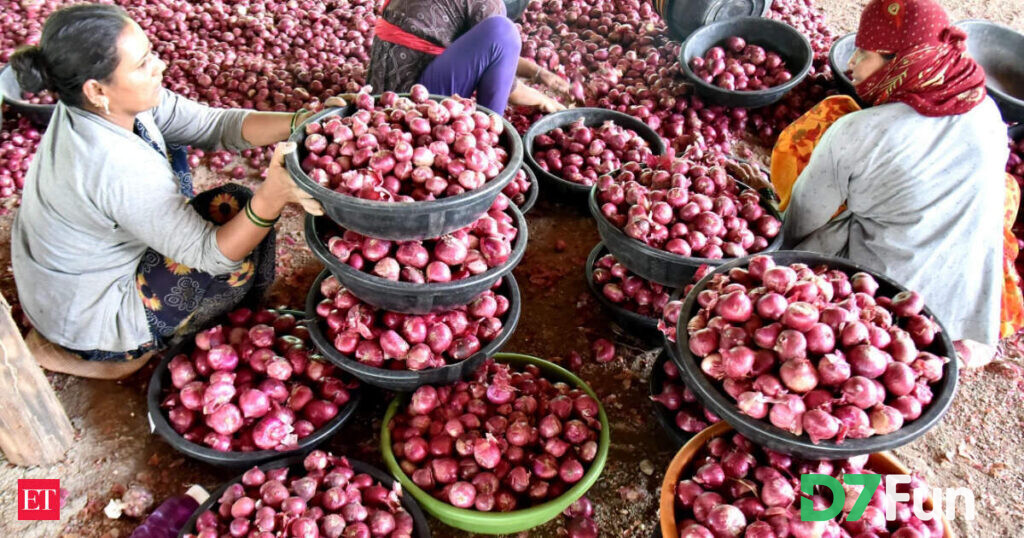
Consumers in major Indian cities have witnessed a steep rise in onion prices, which have climbed nearly 59% in recent weeks. From roadside vendors to supermarket shelves, the increased rates are adding to household expenses and food inflation concerns. Onions, a kitchen staple, are now testing affordability levels for many families.
Factors Driving the Price Spike
Several factors have contributed to the recent price surge. Unseasonal rains in key growing regions disrupted harvest schedules, while increased demand ahead of festive and wedding seasons further tightened availability. Logistic challenges, such as labour shortages during peak transit periods, have added to distribution bottlenecks.
Government’s Swift Response: The ‘Kanda Express’ Initiative
In a bid to cool down the market and ensure easier access to onions, the Centre has launched a dedicated railway service—popularly called the ‘Kanda Express’. This special rake is ferrying government-held buffer stocks from Nashik, Maharashtra, to consumption hubs nationwide. By leveraging rail corridors, the ministry aims to speed up supply and curb speculative hoarding.
The ‘Kanda Express’ plan involves:
- Loading thousands of tonnes of government-held onions at Nashik’s major warehouses.
- Using dedicated rakes to dispatch stocks directly to metros such as Delhi, Mumbai, Kolkata and Chennai.
- Partnering with state agencies to coordinate unloading and local distribution within 24–48 hours.
Impact on Market and Consumers
Early arrivals of these shipments have started to ease retail prices in select cities. Wholesale markets report a slight softening, offering some relief to small traders. Consumers can expect incremental price corrections as more consignments reach mandis over the coming days.
However, experts caution that while the initiative is welcome, sustained price control will depend on weather conditions, fresh crop arrivals, and efficient supply-chain management. Short-term relief from buffer stocks needs to be backed by long-term measures such as improved cold-storage facilities and better crop forecasting.
Ensuring Stability Through Coordination
State governments are working closely with central agencies to monitor price movements and stock levels. Regular market surveys and real-time data sharing are being prioritised to identify shortages quickly and direct supplies where they are needed most.
Additionally, the government is encouraging private players to utilise available storage space to reduce post-harvest losses. Enhanced digital platforms for auctioning and distribution are also under discussion to make the process more transparent and timely.
Looking Ahead: Long-Term Strategies
To guard against future price shocks, policymakers are examining a range of measures:
- Expanding cold-chain infrastructure across key growing belts.
- Promoting contract farming and direct procurement from farmers.
- Strengthening weather advisory systems for better crop planning.
- Investing in research on high-yield and weather-resilient onion varieties.
Such steps aim to create a more resilient supply chain, ensuring that onions remain accessible and affordable throughout the year, even during challenging seasons.
Conclusion
With prices nearing all-time highs, the launch of the ‘Kanda Express’ is a timely intervention to steady the onion market. While immediate relief is crucial for millions of households, a combination of short-term actions and long-term infrastructure improvements will ultimately determine price stability. Consumers and traders alike will be watching closely as buffer stocks roll out from Nashik and reach marketplaces across India, providing much-needed respite and restoring confidence in essential kitchen supplies.


