
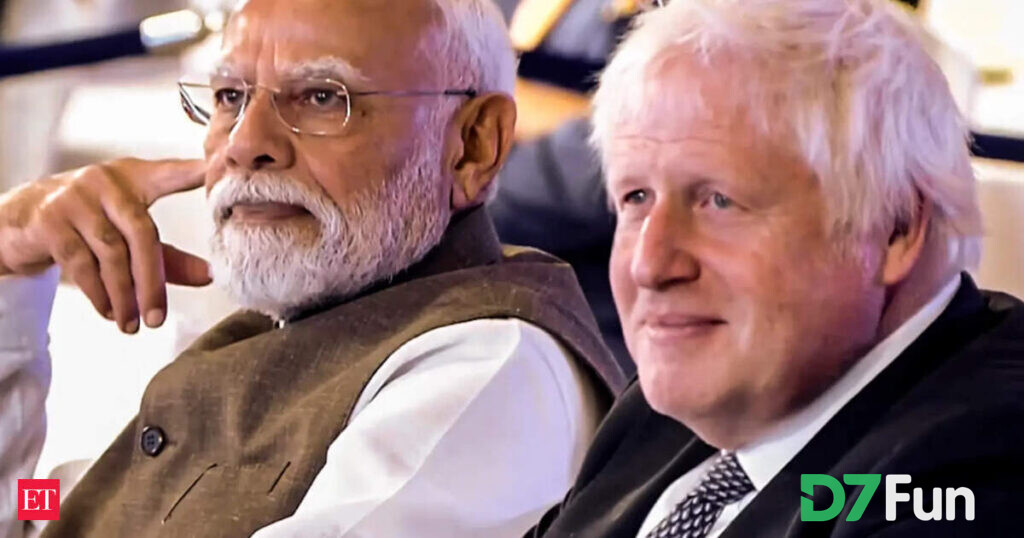
Diwali Deadline Joke Sparks Buzz
In a light-hearted moment that caught the attention of traders and consumers alike, former UK Prime Minister Boris Johnson quipped, “I didn’t say which Diwali” while discussing the deadline for finalising the India-UK Free Trade Agreement (FTA). His playful reference to the popular Indian festival underscored both optimism and the complexities involved in one of the most eagerly awaited trade deals since Brexit.
Johnson’s comment came at an event where he reflected on the progress made so far between the two countries. He noted that while exact dates remain flexible, all stakeholders are working diligently to secure a mutually beneficial agreement that could transform bilateral commerce and consumer choices.
Scotch Whisky Tariff Slashed: A Sweet Deal
Highlighting one of the key breakthroughs, Johnson celebrated the reduction of import duties on Scotch whisky from a staggering 150% to a more manageable 75%. This cut promises to make Britain’s iconic spirit far more competitive in the Indian market.
For Indian retailers and hospitality outlets, the tariff revision translates into more attractive pricing, potentially boosting sales during festive seasons and beyond. Scotch enthusiasts across India may soon find a wider range of premium and aged whiskies at prices that were previously out of reach.
Post-Brexit Trade Flourishes
Since the UK’s departure from the European Union, India and Britain have been actively seeking new avenues to strengthen economic ties. The proposed FTA aims to eliminate or reduce tariffs on a host of goods, streamline customs procedures, and encourage investment flows.
Johnson emphasised that the bilateral relationship has undergone a significant revival, with British exporters exploring opportunities in sectors ranging from automotive components to specialised pharmaceuticals. Meanwhile, Indian service providers—particularly in information technology and financial services—are eyeing greater access to the UK market.
Looking Ahead: Sectors to Watch
With the foundation of the FTA in place, several industries stand to benefit. Key areas include:
- Information Technology and Digital Services: Enhanced data flow agreements could accelerate cross-border collaboration, fuelling India’s thriving IT sector and British digital enterprises.
- Pharmaceuticals and Life Sciences: Streamlined regulations may cut lead times for drug approvals, offering faster access to life-saving medicines.
- Automotive and Engineering: Reduced duties could boost exports of Indian auto parts while inviting British manufacturers to invest in local production hubs.
- Textiles and Apparel: India’s renowned handicrafts and yarns could find fresh demand in boutique and high-street outlets across the UK.
- Online Entertainment and Sports Action: With clearer digital trade rules, streaming platforms and sports broadcasters from both sides may strike new content partnerships, enriching viewer experiences with international leagues and cultural programming.
What This Means for Indian Markets
For Indian entrepreneurs and consumers, the FTA’s completion would mark a new era of cross-border opportunities. Lower tariffs on prized imports such as Scotch whisky and luxury goods are set to enhance product variety. Simultaneously, Indian manufacturers may benefit from streamlined logistics and preferential treatment in the UK, boosting exports and local employment.
Johnson’s assurance of ongoing talks and his upbeat tone signal that both governments are keen to meet the next Diwali—not just in spirit but also in signed agreements. While precise timelines remain under wraps, the combination of political goodwill and economic pragmatism suggests that an ambitious trade pact could be within reach.
As negotiations progress, Indian businesses, consumers, and investors would do well to stay informed about tariff schedules, regulatory changes, and market-entry guidelines. The promised rewards extend beyond price cuts, encompassing deeper collaboration across knowledge-intensive sectors and vibrant cultural exchanges. In the journey to a robust India-UK partnership, the countdown to Diwali may carry more than just festive cheer—it could usher in a new chapter of shared prosperity.


