
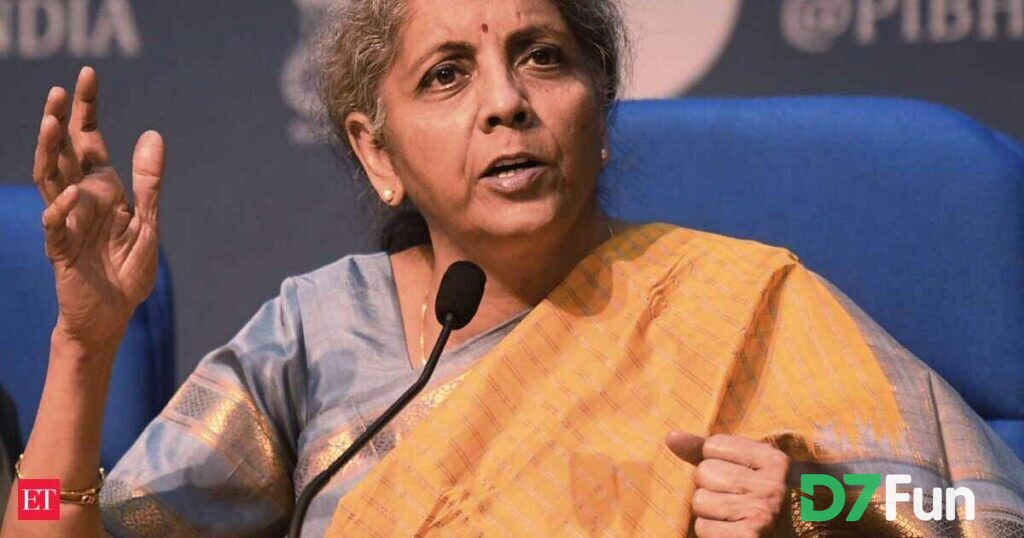
In a recent address, Finance Minister Nirmala Sitharaman highlighted the pressing need for increased private capital in BRICS infrastructure initiatives. Speaking on the sidelines of a major multilateral gathering, she stressed that public funds alone cannot meet the vast requirements of modern infrastructure development. To achieve resilient and sustainable growth, BRICS nations must work hand-in-hand with multilateral banks to draw in institutional and private investors.
Private Capital: A Key to BRICS Infrastructure
BRICS countries collectively manage some of the world’s fastest-growing economies, yet they face a common challenge—mobilising sufficient private capital to deliver large-scale infrastructure. According to Sitharaman, public investment forms the foundation, but it must be complemented by private commitments to bridge financing gaps. She noted that multinational banks and development finance institutions play a pivotal role in creating an environment attractive to global infrastructure investors.
Mobilising Private Investments through Public-Private Partnerships
One of the prime vehicles for channeling private money into national projects is the public-private partnership (PPP) model. By combining government support with business expertise, PPPs can deliver roads, railways, ports, energy and digital networks more efficiently. Sitharaman pointed out that India has successfully cultivated a robust pipeline of PPP projects—both greenfield and brownfield—that serve as templates for other BRICS partners. These projects demonstrate disciplined risk-sharing, transparent processes and long-term operational frameworks, all of which inspire confidence among private investors.
Role of Multilateral Banks and Financial Institutions
Multilateral banks, such as the New Development Bank (NDB) established by BRICS, along with global institutions like the Asian Infrastructure Investment Bank (AIIB), have the mandate to catalyse investment across emerging markets. Sitharaman’s appeal urged these entities to design innovative financing products—credit guarantees, co-financing arrangements, debt-equity mixes and viability gap funding—to mobilise additional resources. By forging collaborations between public agencies and private sector players, these banks can unlock new pools of capital, spreading risk and improving project bankability.
India’s Infrastructure Vision and Growth Prospects
India’s infrastructure ambitions are ambitious, ranging from national highways and urban metro networks to renewable energy parks and digital corridors. The Union Budget has earmarked substantial public financing, but achieving the nation’s 2047 growth targets demands more private participation. Sitharaman highlighted ongoing reforms aimed at streamlining approvals, strengthening project monitoring and enhancing regulatory frameworks. These measures are designed to boost investor confidence and accelerate project execution timelines.
Building Resilient and Sustainable Outcomes
BRICS infrastructure development is not just about cement and steel; it’s about creating resilient systems that can withstand future shocks—economic, environmental or social. Sitharaman called for greater cooperation among member countries to share best practices on green construction, climate adaptation and digital solutions. By integrating sustainability criteria into project design, infrastructure initiatives can deliver long-term returns for communities and investors alike.
As BRICS nations chart their collective growth path, the call to multilateral banks is clear: step up to the plate and bridge the funding gap. Only through concerted efforts that blend public stewardship with private sector dynamism can the group realise its full potential on the infrastructure front.


