
Introduction
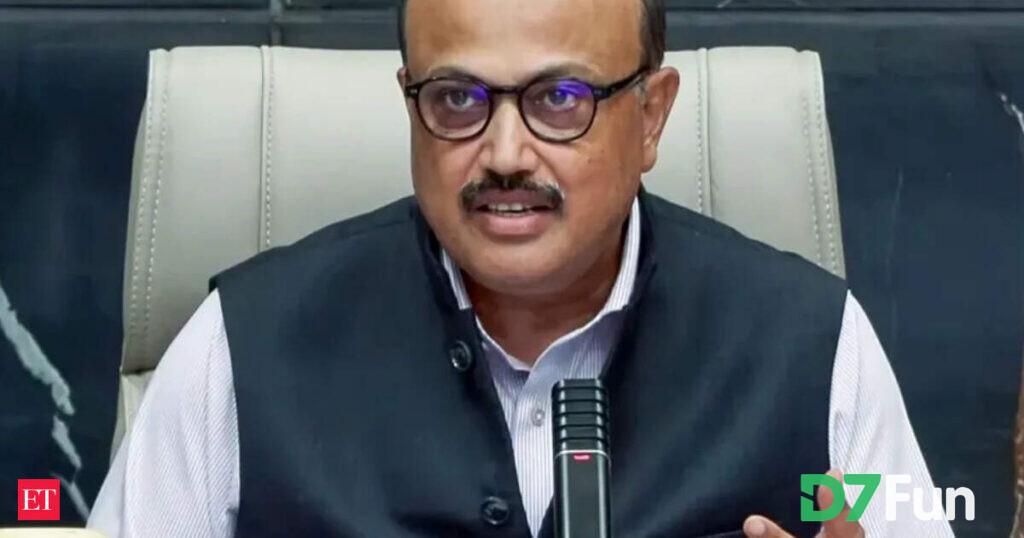
India’s Commerce Secretary Rajesh Agrawal is set to embark on a high-profile visit to Chile later this month to accelerate negotiations on the Comprehensive Economic Partnership Agreement (CEPA). This trip underscores India’s intent to deepen trade ties with Chile, its fifth-largest trading partner in Latin America. As both nations seek to expand their existing pact, digital services and critical minerals are expected to feature prominently on the agenda.
Aims of the Chile Visit
During his time in Santiago, Rajesh Agrawal will hold detailed discussions with Chilean counterparts from the Ministry of Foreign Trade as well as industry representatives. The primary objective is to review progress made under the current CEPA framework and identify avenues to broaden its scope. Detailed sessions will examine tariff liberalisation, technical barriers, and custom procedures to streamline bilateral trade.
Beyond formal meetings, the Commerce Secretary will engage with business leaders and trade associations to gauge on-ground challenges faced by exporters and importers. This hands-on approach is aimed at ensuring that policy decisions align with industry needs on both sides, fostering sustainable growth and market access.
Expanding the CEPA Framework
India and Chile first inked a trade pact in 2006, which has since facilitated healthy two-way commerce in goods like agricultural produce, pharmaceuticals, and engineering equipment. However, evolving global business models have prompted both governments to explore updates to the agreement. A refreshed CEPA could incorporate new chapters on trade facilitation, ease of doing business, and mutual recognition of standards.
The updated deal aspires to be more comprehensive—covering services, investment protections, government procurement, and dispute resolution mechanisms. By modernising customs procedures and reducing red tape, the agreement would benefit exporters, importers, and service providers aiming to tap into emerging opportunities.
Digital Services and Critical Minerals on the Table
One of the standout features of this round of talks is the intention to integrate digital services into the CEPA. With India’s booming IT and software services sector and Chile’s growing appetite for digital solutions, both sides see an opportunity to set new benchmarks in e-commerce, cloud computing, fintech, and data security norms.
Equally significant is the focus on critical minerals such as lithium, copper, and cobalt—key inputs for electric vehicles and renewable energy storage. Chile holds vast reserves of these minerals, while India is rapidly ramping up its green energy push. A streamlined trade regime could secure stable supply chains, bolster clean energy initiatives, and create new avenues for investment.
Broader Trade Strategies in Latin America
India’s outreach to Chile fits into a wider strategy of strengthening ties across Latin America. Negotiations are also underway with the Mercosur bloc, Mexico, and Kenya to secure more trade agreements. By diversifying economic partnerships, India aims to reduce overreliance on traditional markets and tap into emerging consumer bases.
The government’s sustained focus on trade pacts underscores its ambition to create resilient global linkages and promote cross-border value chains. Enhanced connectivity, improved logistics, and uniform standards will be key pillars in this roadmap.
Conclusion
Commerce Secretary Rajesh Agrawal’s mission to Chile represents a decisive step forward in India’s trade diplomacy. By broadening the CEPA to include digital services and critical minerals, both nations stand to gain from increased market access, technological collaboration, and robust supply chains. As India continues to pursue agreements with regional partners, the Chile visit promises to lay the groundwork for deeper, future-ready economic cooperation.


