
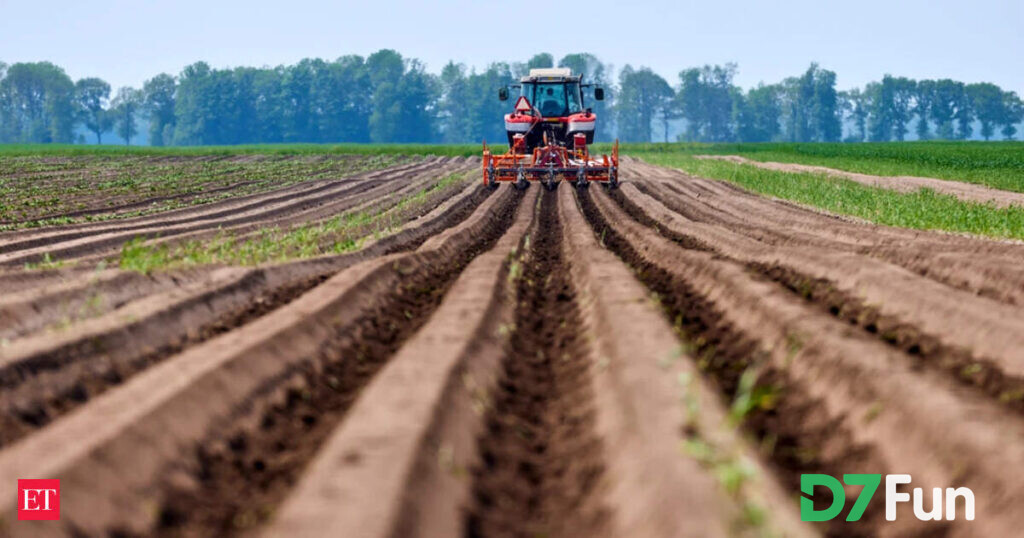
Current Status of Kharif Sowing
As per the latest data up to August 7, Indian farmers have planted Kharif crops across 87.7% of the expected seasonal area. This pace brings sowing activities near the five-year average, driven by recent showers that have narrowed the earlier rainfall deficit. States such as Uttar Pradesh, Bihar and West Bengal are leading in acreage, while some regions in Maharashtra and Karnataka lag behind.
Crop Acreage Analysis: Rice, Pulses and More
While overall sowing is close to normal, key crops show a mixed picture. Rice acreage stands at around 94% of last year’s area, reflecting cautious expansion by paddy growers after erratic rains earlier in the season. Pulses planting, however, is trailing at 82% of the levels recorded in the previous year. Oilseeds and coarse cereals have seen healthier planting, at 97% and 90% respectively, as farmers diversify to safeguard returns.
Reservoir Levels See Significant Uplift
One of the silver linings has been the recovery in reservoir water levels. Central Water Commission figures highlight that major reservoirs now hold 55% of their full capacity, up from just 45% at the same time last year. This improvement in water storage bodes well for irrigation, especially in drought-prone areas of South and Central India, and will be a critical factor in maintaining soil moisture for the next phase of crop growth.
IMD Forecast and Monsoon Outlook
Despite recent relief, the India Meteorological Department (IMD) has warned of below-normal rainfall during the upcoming monsoon weeks. The 2024 Southwest Monsoon is now projected to finish at 95% of the long-period average. With this forecast in mind, farmers are focusing on moisture conservation practices, such as mulching and staggered sowing, to optimize water use in the coming weeks.
Focus Shifts to Crop Yields
With most fields now planted, the emphasis moves towards nurturing crop health and securing yields. Experts recommend integrated nutrient management and timely pest control measures to support plant growth, especially for rice and pulses. Agricultural extension services across states are ramping up advisories, ensuring farmers stay updated on the latest techniques and weather advisories.
Regional Highlights and Challenges
Kerala and Assam have benefited from stronger-than-expected rains, leading to near-complete sowing in paddy belts. Conversely, pockets in Maharashtra and Andhra Pradesh report slight delays due to isolated dry spells. Local cooperative societies and farmer producer organisations are coordinating to distribute quality seeds and micro-irrigation kits to counter regional imbalances.
Strategies for the Weeks Ahead
To navigate the forecasted shortfall, farmers are adopting conservation farming techniques, including zero-till sowing and crop residue management. Drip and sprinkler systems are being scaled up, particularly for pulse crops, to ensure precise water delivery. At the same time, state governments are releasing contingency funds to support irrigation projects and subsidise fertiliser supply.
Conclusion: Staying Prepared and Resilient
The Kharif season of 2024 is shaping up to be a test of resilience for India’s farming community. While sowing levels near the seasonal norm and reservoir stocks have improved, the looming threat of below-normal rains calls for proactive measures. With focused agronomy practices and farmer support systems in place, the agriculture sector is poised to turn these challenges into sustainable growth for the rural economy.


