
Introduction to India’s Polymer Currency Revolution
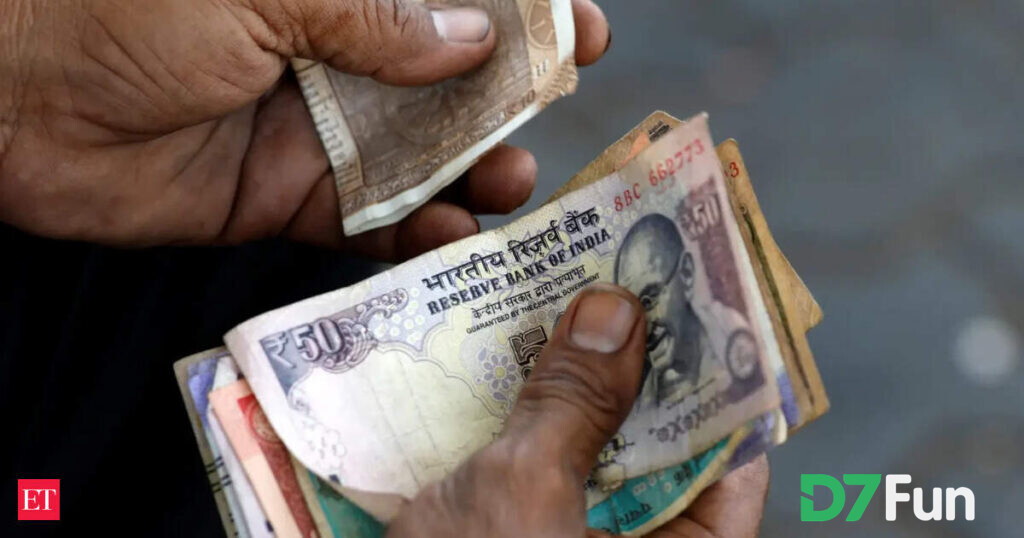
In a landmark move towards modernising India’s currency system, the Reserve Bank of India (RBI) is gearing up to introduce polymer, or plastic, notes in the ten and twenty rupee denominations. With field trials now complete, the central bank has indicated that these new notes could reach the public at the start of the next financial year. This fresh wave of currency innovation promises longer-lasting notes, reduced replacement costs and a greener footprint for India’s cash ecosystem.
RBI’s Roadmap for Plastic Currency
The RBI governor has confirmed that after a series of successful field tests, the rollout of polymer notes is likely to begin in April. These tests assessed the notes’ performance under everyday conditions, including wear and tear, moisture exposure and handling stress. Encouraged by the results, the RBI is finalising production quantities and distribution plans.
Key Advantages of Polymer Notes
- Enhanced Durability: Unlike traditional paper notes, polymer notes resist tearing and withstand rough handling. Studies suggest they last three to five times longer before needing replacement.
- Cost Efficiency: Although polymer notes have a higher upfront production cost, their extended life cycle translates into savings on printing and replacement over time.
- Environmental Benefits: Fewer replacements mean lower material consumption and reduced waste. The new notes can also be recycled at the end of their lifespan, further minimising environmental impact.
- Security Features: Enhanced security elements such as holographic strips, transparent windows and advanced inks make polymer notes harder to counterfeit and easier for the public to authenticate.
Denominations and Design Highlights
The first wave of polymer currency will include the ten and twenty rupee notes. Both denominations retain the familiar themes of India’s cultural heritage, but with modern design elements that leverage bold colours and tactile features. The ten rupee note will feature an updated format for visually impaired users, while the twenty rupee note includes a distinctive translucent window to aid differentiation.
Impact on Cash Circulation
Existing paper notes in these denominations won’t vanish overnight. Instead, they will continue to circulate alongside the new polymer variants until the RBI deems it appropriate to phase them out gradually. This dual circulation ensures that citizens and businesses experience a smooth transition without facing shortages or adjustment hiccups.
Digital Payments and Cash Coexistence
While India continues its strong push towards digital payments and online entertainment platforms for financial transactions, cash remains an essential part of daily life for millions—especially in semi-urban and rural areas. The introduction of durable polymer notes aligns with the RBI’s broader strategy to maintain a resilient, eco-friendly cash economy even as digital wallets and UPI-led services grow in popularity.
What to Expect Next?
As the new financial year approaches, banks and ATMs will receive the first consignment of polymer notes. Customers may notice these notes during routine withdrawals. The RBI advises individuals to handle the new notes just as carefully as they did paper currency—folding them gently and storing them in wallets without sharp bends.
Conclusion
India’s move to polymer-based currency represents a significant upgrade to the nation’s cash infrastructure. By combining durability, security and environmental responsibility, these new ten and twenty rupee notes underscore the RBI’s commitment to innovation in currency management. As rollout plans solidify, Indian households and businesses can look forward to a more robust, sustainable cash ecosystem that complements the country’s ongoing digital transformation.


