
Rajasthan’s Water Infrastructure Leap
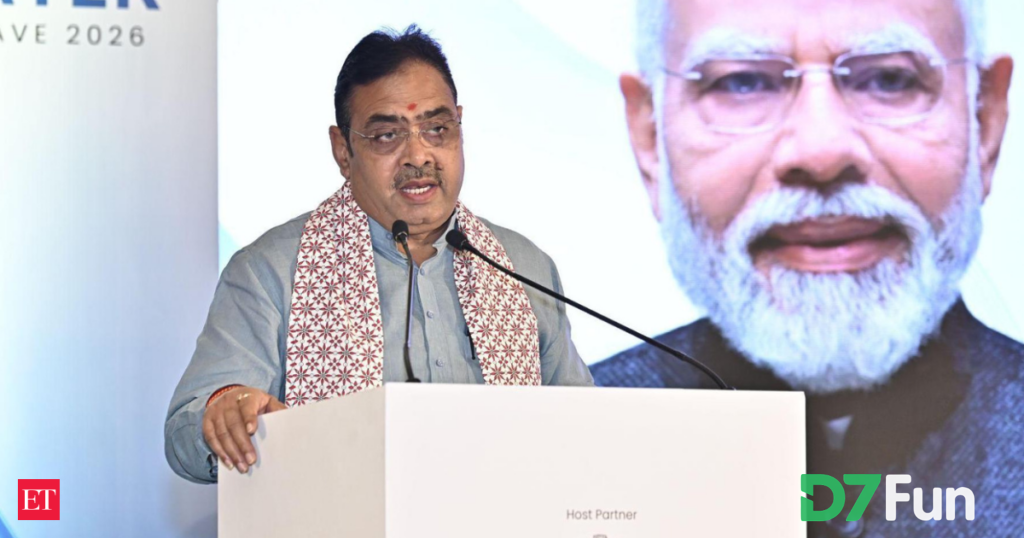
Under the leadership of Chief Minister Bhajan Lal Sharma, Rajasthan has unveiled an ambitious plan to transform the state’s water sector. With a total investment of over ₹5,100 crore, the AMRUT 2.0 initiative and the Ramjal Setu Link Project are set to redefine drinking water delivery across urban and rural areas. The government’s focus on large-scale water infrastructure will secure reliable supply, enhance storage capacity, and ensure future-ready systems.
AMRUT 2.0 Projects Across Regions
As part of the Atal Mission for Rejuvenation and Urban Transformation (AMRUT) 2.0, Rajasthan is executing multiple projects in cities such as Jaipur, Udaipur, Kota and Jodhpur. These include new water treatment plants, pipeline upgrades and smart metering systems. The initiative will benefit over 65 lakh urban residents by improving water quality and reducing misuse. By leveraging modern technology and community engagement, the state aims for a more efficient urban water network.
Ramjal Setu Link Project and Yamuna Water Agreement
The Ramjal Setu Link Project is a strategic endeavour to tap freshwater from catchment areas and link it to parched districts. Complementing this, the recent Yamuna Water Agreement ensures a steady transfer of water from the Yamuna basin. Together, these schemes will address shortages in eastern and northern Rajasthan, covering districts like Bharatpur, Dholpur and Alwar. Officials highlight how this dual approach strengthens resilience during summer months.
Strengthening Rural Drinking Water Supply
Beyond urban centres, the government is prioritising rural drinking water security. Under flagship schemes, hundreds of borewells are being rejuvenated and feeder pipelines extended. Solar-powered pump installations will deliver groundwater sustainably, cutting electricity costs and reducing dependency on diesel. Community-led water user associations are being formed to manage local supply points, ensuring accountability and timely maintenance.
Focus on Water Conservation and Recharge
Rajasthan’s semi-arid climate demands proactive water conservation. The state is rolling out watershed development projects, check dams and percolation ponds in arid regions like Barmer and Bikaner. These structures replenish aquifers and reduce surface runoff, particularly during the monsoon season. Educational campaigns in schools and gram panchayats promote rainwater harvesting, drip irrigation and efficient household use.
Economic and Social Impact
Improved access to clean water promises significant social upliftment. Women and children, who often bear the burden of water collection, will save hours daily, empowering them to pursue education and micro enterprises. Local economies will gain from construction contracts, skilled labour demand and allied supply chains. The infusion of capital into water infrastructure is projected to generate employment for thousands across urban and rural regions.
Shared Responsibility for Future Generations
CM Bhajan Lal Sharma emphasises that water security is a collective responsibility. He calls upon citizens, industry stakeholders and local bodies to support conservation efforts and report leakages or misuse. With systematic monitoring, transparent progress reports and stakeholder consultations, Rajasthan aims to set a benchmark in water governance. These transformative initiatives will shape a sustainable water model for future generations.
By fast-tracking AMRUT 2.0 projects and the Ramjal Setu Link Project, Rajasthan is not only tackling immediate shortages but also building a robust framework for decades ahead. As the state forges ahead with modern infrastructure and community partnerships, it charts a path towards water resilience and equitable distribution.


