
India-US Trade Deal Could Boost India’s Global Position
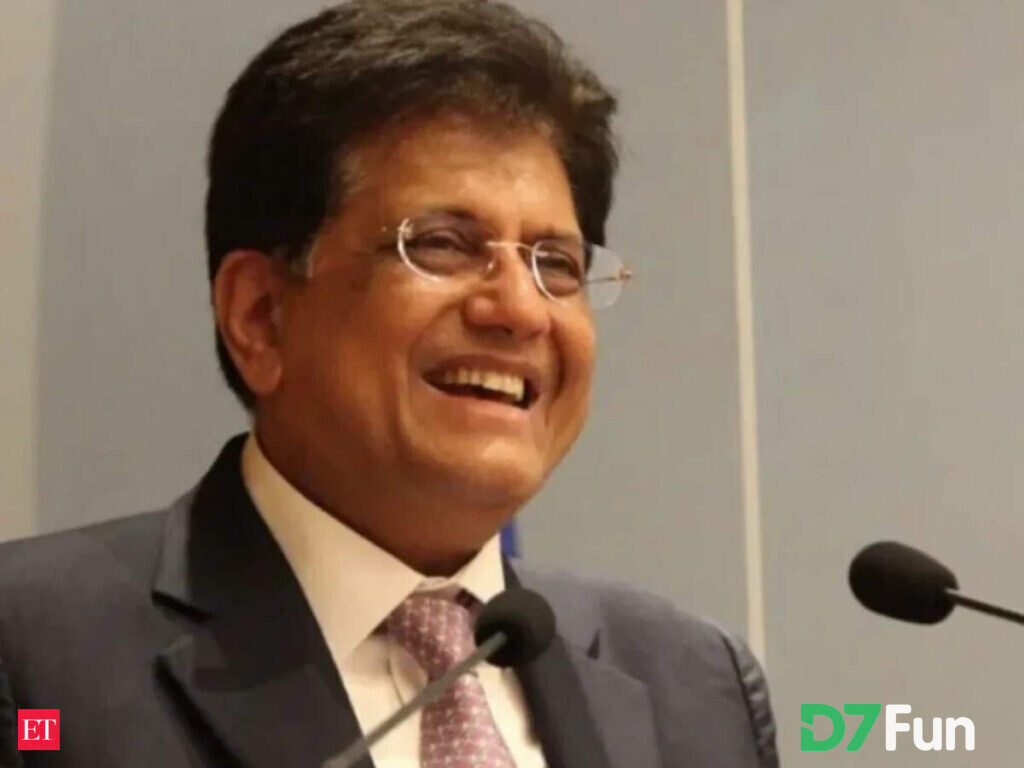
Union Commerce and Industry Minister Piyush Goyal has said that India stands to gain a strong comparative advantage from a trade agreement with the United States. Speaking at the 4th ISID-IDRA National Conference in Delhi, he pointed out that the proposed arrangement could help India improve its economic position and strengthen its place in global trade.
Goyal’s comments come at a time when India is working to expand market access, deepen trade ties, and create new opportunities for sectors linked to manufacturing, agriculture, services, and exports. A deal with the US, one of the world’s largest economies, is widely seen as a major step that could support India’s long-term growth goals.
Farmers’ Interests Will Not Be Hurt, Says Minister
One of the key concerns around any major trade agreement is its effect on Indian farmers and other sensitive sectors. Goyal addressed those worries directly, saying that the interests of farmers will be protected. He also stressed that no stakeholder group would be sidelined in the process.
This assurance is important for Indian readers because agriculture remains central to the country’s social and economic fabric. In trade discussions, India has often taken a careful approach to ensure that domestic producers are not exposed to sudden pressure from cheaper imports. Goyal’s remarks suggest that the government is aiming for a balanced formula that supports both growth and protection.
Why the Deal Matters for the Indian Economy
A trade deal with the US could open up fresh opportunities for Indian businesses by improving access to a high-value market. For exporters, that could mean better visibility, easier business conditions, and a stronger platform to reach global consumers. It may also help sectors such as pharmaceuticals, engineering goods, IT services, textiles, and food products.
For the wider economy, stronger trade ties can encourage investment, support supply chain expansion, and give Indian firms more confidence to compete internationally. If structured well, such an agreement can also improve India’s bargaining power in future negotiations with other major economies.
At the same time, Indian policymakers will likely continue to weigh the impact on domestic industry, agriculture, and employment. That balancing act is often at the heart of trade policy, especially when agreements involve large and diverse economies like India and the US.
India’s Trade Strategy in a Changing Global Landscape
Goyal’s remarks also reflect India’s broader push to play a bigger role in global commerce. As supply chains shift and countries look to diversify trade partners, India is seeking to position itself as a reliable and competitive market. Strengthening ties with the US could support that strategy while giving Indian companies more room to grow.
The minister’s statement adds to the government’s message that trade agreements should deliver practical benefits for the country, not just headline-value diplomacy. For Indian consumers and businesses alike, the real test will be whether such deals translate into more opportunities, stronger exports, better competitiveness, and long-term economic gains.
As discussions continue, the focus will remain on how India can secure advantages without compromising the needs of farmers and other important domestic stakeholders.


