
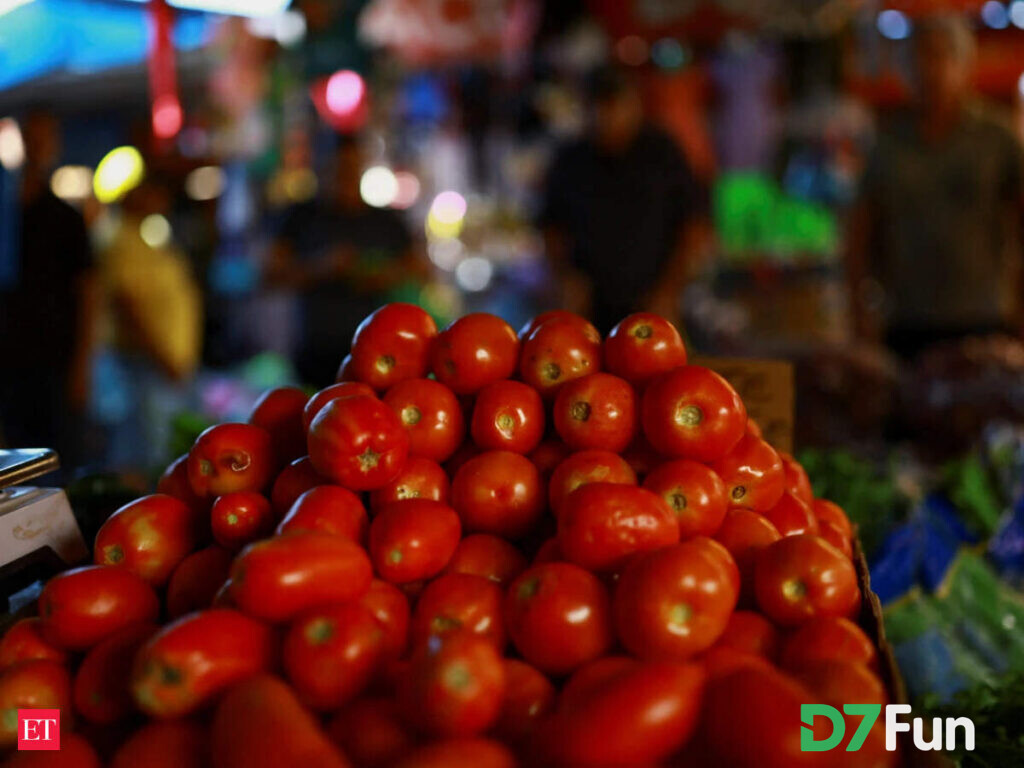
Drought Compounds Farmer Woes
Nashik, known as India’s vegetable bowl, is witnessing a harsh reality check. Severe drought conditions have taken a toll on tomato growers in the region, leaving them grappling with water scarcity and rising input costs. While farmers battle the elements to coax a crop from parched soil, another challenge has emerged: a sudden surge in supply that has sent prices plummeting.
Supply Glut Sends Prices Tumbling
At Pimpalgaon APMC, one of Maharashtra’s largest wholesale markets for tomatoes, prices have crashed by nearly 65% in just one week. Traders report that a 20-kg crate is now trading at around Rs 111, down sharply from last week’s rates of close to Rs 320. The flood of produce from neighbouring regions, coupled with local overproduction in anticipation of festive demand, has triggered a steep slide in wholesale values.
Retail markets have mirrored this trend, with tomato prices at the vegetable shop plunging roughly 50%. Shoppers in Mumbai, Pune and beyond are now paying as little as Rs 20 per kg, compared to the Rs 40–45 levels recorded just a few days ago.
Impact on Farmers and Consumers
For growers, the price crash comes as a double blow. They have already invested heavily in irrigation pumps, fertilisers and seasonal labour to salvage yields. With returns on sale diminishing rapidly, many farmers are left struggling to break even. Some may consider alternative crops or risk reducing acreage for the next planting season.
On the consumer side, the sudden price dip offers a brief respite in kitchen budgets. Households can continue to enjoy home-cooked gravies and salads without the recent strain on expenses. Yet, economists warn that such volatility may lead to an unstable market, potentially discouraging farmers from investing in quality seed and better farming practices in future seasons.
Strategies to Stabilise the Market
Experts suggest a multi-pronged approach to bring back equilibrium. Strengthening cold storage infrastructure around Nashik could help farmers hold back stock and supply tomatoes when prices recover. Farmer cooperatives can explore value-added products like pulp and sauces, unlocking fresh revenue streams and reducing spoilage.
Local authorities are also being urged to improve irrigation facilities. Better water management through drip irrigation and community tanks could cushion growers against erratic rainfall and recurring drought. Such measures would not only benefit tomato producers but also ensure stable supplies for consumers nationwide.
Looking Ahead
The current downturn highlights the fragile link between climatic stress and market dynamics. It underscores the urgent need for resilient farming systems and robust supply chain management. While households enjoy the match excitement of lower prices at the kitchen counter, the real challenge lies in safeguarding the livelihoods of those at the start of this journey—the farmers of Nashik.
As Maharashtra’s agricultural community navigates these hurdles, coordinated action from policymakers, agritech startups and trader associations can offer lasting solutions. By enhancing storage, diversifying product lines and promoting sustainable irrigation, stakeholders can turn today’s crisis into tomorrow’s opportunity.
Stay tuned to our portal for more updates on agricultural trends, market insights and sports action rewards that keep you informed and engaged.


