
Rising Temperatures and Crop Stress
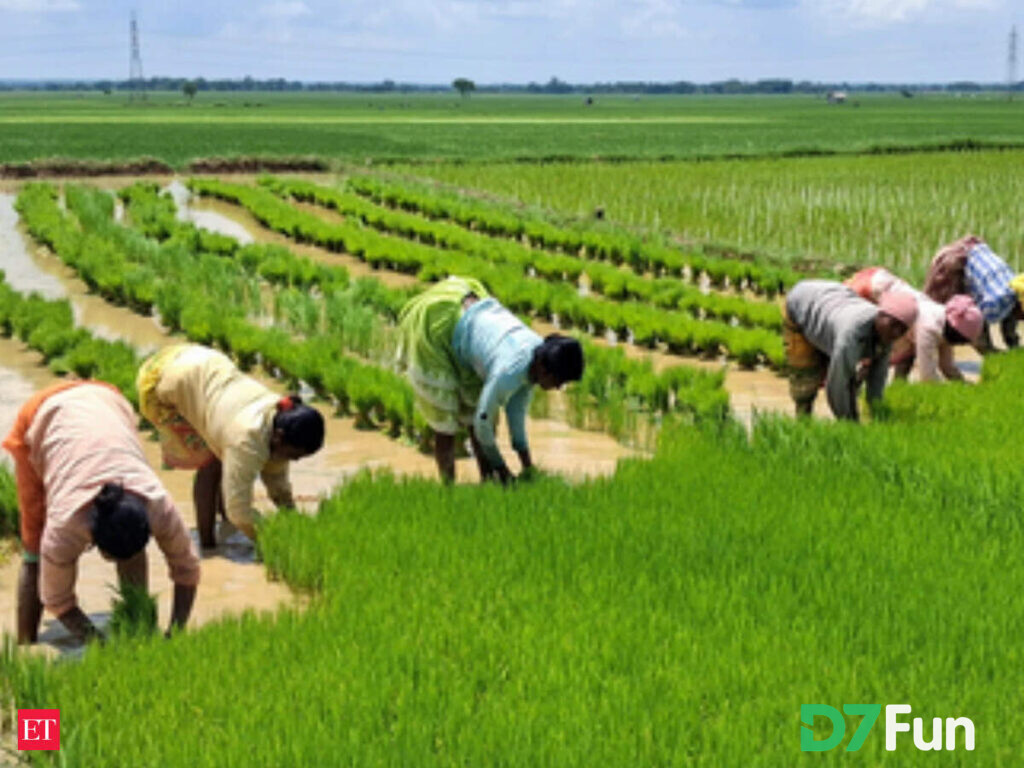
Over the past few seasons, soaring daytime highs and unpredictable weather have begun to take a heavy toll on Indian agriculture. From the sun-scorched fields of Tamil Nadu to the parched plains of Uttar Pradesh, farmers are grappling with poor germination rates and heat-stressed plants. These conditions not only dent productivity but also threaten India’s food security, with staple and cash crops alike showing reduced yields.
Impact on Key Crops: Bananas, Okra, Gourds
Banana plantations in Kerala and Maharashtra have seen a marked decline in fruit size and bunch quality this year. Smallholders report that blossoms are dropping prematurely, leading to harvests that are 30–40% lower than usual. Meanwhile, vegetable growers in Haryana and West Bengal note that heatwaves have led to stunted okra pods and deformed gourds. These losses translate into diminished incomes, putting further pressure on rural households already vulnerable to rising input costs.
Farmers’ Voices and Financial Strains
“We invested in drip irrigation and shade nets,” says Suresh Kumar, a farmer from Rajasthan. “Yet the crop failure this summer has left us with minimal produce and heavy debts.” Stories like these are now common across many regions where small-scale producers lack access to affordable credit and insurance. The mismatch between climate warnings and actual financial support means that many farmers cannot implement adaptive measures before disaster strikes.
The Climate Adaptation Finance Gap in India
Despite repeated cautions from climate scientists about the escalating risks, adaptation financing remains woefully inadequate. India’s official adaptation fund allocations cover only a fraction of the national agricultural budget, leaving local governments scrambling to fill gaps. Experts stress that without a significant scale-up in dedicated funding—both from central schemes and private partnerships—the agriculture sector will face growing unpredictability.
Strengthening Forecasting and Community Support
Timely weather forecasts and real-time advisories can help farmers plan sowing and harvesting more effectively. Some state governments have begun pilot projects using remote sensors and mobile apps to deliver micro-weather updates. While these initiatives show promise, their reach is still limited. Expanding these services nationwide, alongside targeted training and community workshops, could provide tangible rewards for farm families by reducing losses and improving resilience.
Looking Ahead to COP31
As the world prepares for the UN climate summit in the United Arab Emirates later this year, India has a window of opportunity to advocate for stronger adaptation finance. Key action points include increased budgetary support for climate-resilient infrastructure, scaled-up microinsurance schemes, and public–private collaborations to develop drought- and heat-tolerant seed varieties. By addressing these priorities now, India can not only safeguard its agricultural backbone but also demonstrate leadership in global climate action.
With more robust financial tools and improved forecasting, Indian farmers can transition from weathering losses to embracing sustainable growth. Ahead of COP31, bridging the gap between warnings and real-world adaptation finance is essential to secure the future of food production and rural livelihoods across the nation.


