
Introduction
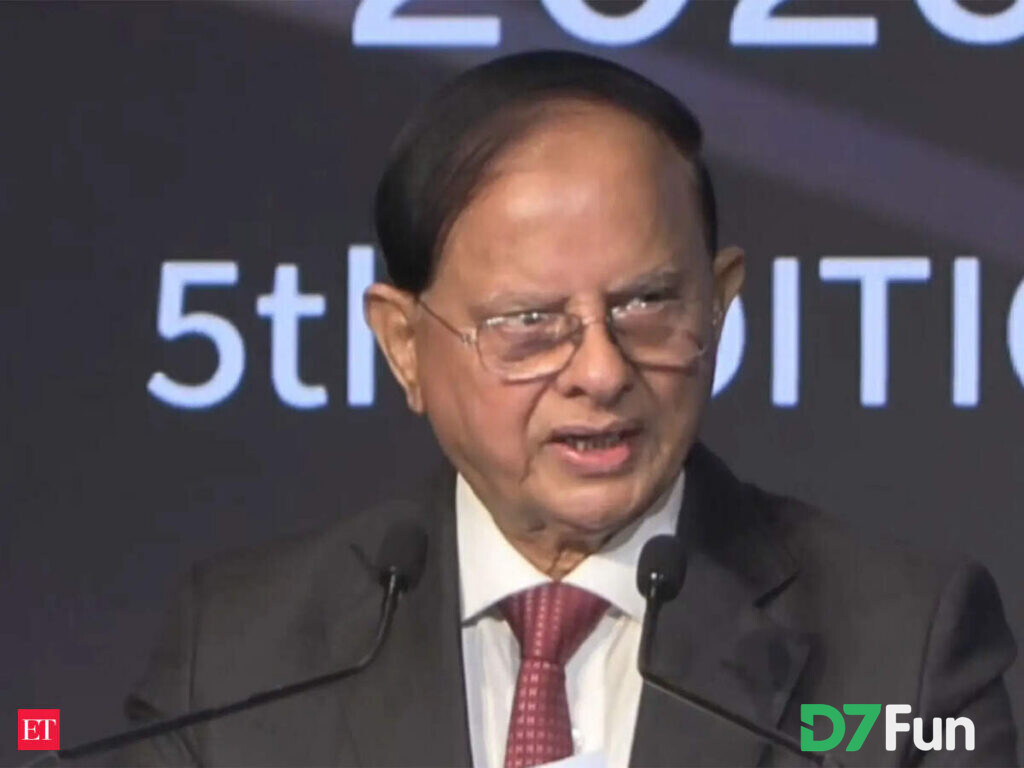
In a recent address, PK Mishra, Principal Secretary to the Prime Minister, underscored that India’s drive for economic resilience cannot translate into self-imposed isolation. As global uncertainties rise, the nation must remain open to the flows of trade, investment and technology, while strengthening its internal capabilities.
Balancing Openness and Resilience
India has witnessed growing geopolitical and supply chain risks, prompting businesses to rethink investment schedules and diversify sourcing. Rather than erecting high walls, Mishra emphasized a pragmatic approach that keeps India plugged into global markets. He argued that insulation from international competition would deprive domestic industry of innovation and scale advantages, undermining long-term growth.
The Cost Factor of Domestic Production
One of the key insights shared was that creating local manufacturing capacity sometimes carries higher costs than importing finished goods. Higher labour rates, initial infrastructure outlays and compliance standards can push up unit costs in early stages of domestic production. This doesn’t negate the value of local capacity, but it does call for thorough cost-benefit analysis before rolling out large-scale substitution programmes.
Strategic Risk Assessment in Supply Chains
To build genuine resilience, Mishra urged companies and policymakers to conduct robust risk assessments. Mapping critical nodes in the supply chain, identifying single-source dependencies and stress-testing alternative routes can help avert disruptions. In some sectors, establishing buffer stocks or strategic reserves may provide additional cover against sudden shocks.
Prioritising Competitiveness Over Substitution
A central theme of the discussion was that import substitution should not be an end in itself. Instead, domestic industries must aim to match or exceed the quality, price and delivery standards of their global counterparts. By driving competitiveness—through skill development, technology partnerships and rapid iteration—India can transform local enterprises into exporters rather than mere import replacers.
Policy Measures and Business Adaptation
The government has rolled out incentive schemes to nudge investment into priority sectors such as electronics, pharmaceuticals and green energy. However, Mishra highlighted that private investors are seeking greater clarity on long-term policy signals, tariff stability and ease-of-doing-business reforms. Transparent regulations and targeted support will be critical in steering fresh capital into domestic projects.
Conclusion: A Balanced Playbook
India stands at a pivotal juncture where economic resilience must be built on a foundation of both openness and robust local capacity. By anchoring policy decisions in careful risk assessment and by fostering competitive domestic champions, the country can safeguard growth without resorting to global insulation. As Mishra noted, this balanced playbook will shape India’s economic trajectory for the decade ahead.
Source: Economic Times


