
Introduction: A Milestone in India-US Trade Relations
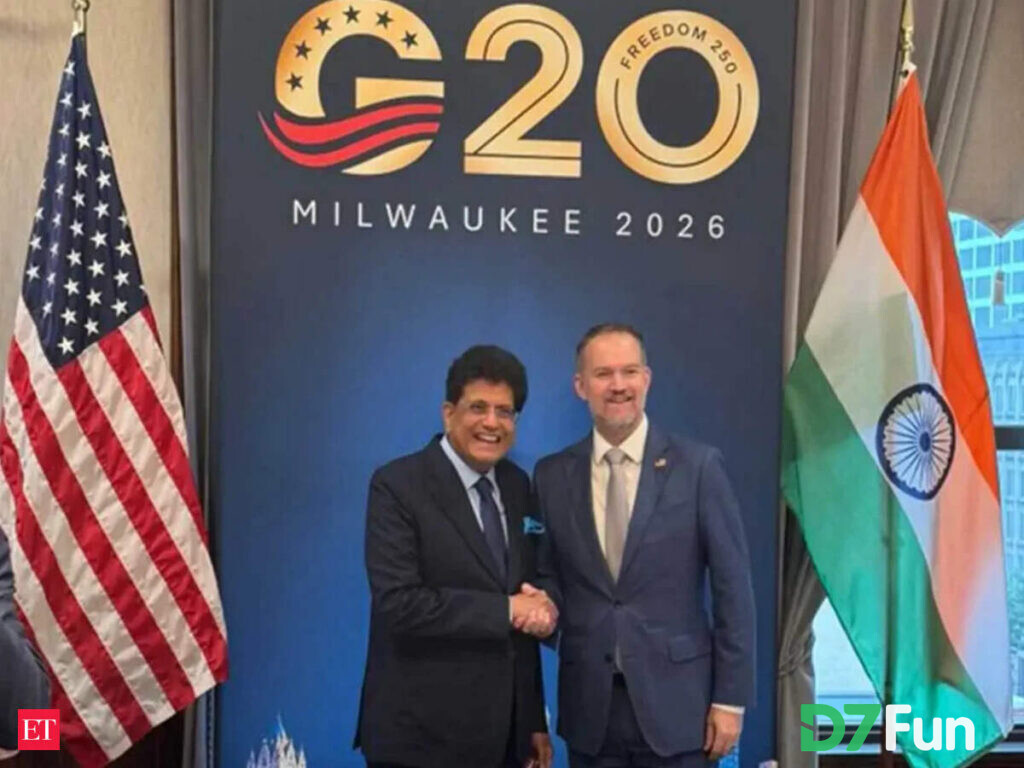
In a significant development for India-US economic ties, Commerce and Industry Minister Piyush Goyal held a one-on-one discussion with US Trade Representative Jamieson Greer. The meeting, described as “productive” by the Indian side, focused on early conclusion of a mutually beneficial interim trade agreement. This diplomatic move coincided with Prime Minister Narendra Modi’s conversation with President Donald Trump and Minister Goyal’s active participation in the G20 trade ministers’ conclave.
Context: G20 Summit and Bilateral Dialogue
The G20 trade ministers’ meeting provided the backdrop for these high-level interactions. As economies around the world seek to recover momentum post-pandemic, both India and the US have expressed interest in strengthening supply chains, boosting two-way commerce, and opening new avenues for investment. The interim pact under discussion is viewed as a stepping stone toward a more comprehensive Free Trade Agreement (FTA) down the line.
Key Objectives of the Interim Trade Agreement
During the talks, both sides highlighted several core objectives:
- Reduction of Tariff Barriers: Negotiators aim to lower duties on select products, offering immediate relief to exporters in sectors such as pharmaceuticals, textiles, and agricultural commodities.
- Enhanced Market Access: By streamlining customs procedures, the pact seeks to facilitate smoother movement of goods and services, ensuring faster clearances and reduced logistics costs.
- Strengthening Intellectual Property Rights (IPR): Both parties agreed to bolster IPR protection, which is likely to encourage more US firms to invest in Indian innovation and R&D activities.
- Diversification of Supply Chains: In light of global disruptions, the interim deal is expected to help companies on both sides mitigate risks by diversifying sourcing and manufacturing options.
Implications for Indian Industry and Consumers
If finalised, the interim trade deal could generate multiple benefits for India’s economy:
- Competitive Exports: Reduction in US tariffs would make Indian goods more price-competitive, especially in key categories like leatherware, gems and jewellery, and processed foods.
- Attracting Foreign Investment: Enhanced IPR safeguards and a clearer regulatory framework may entice US investors to escalate their involvement in sectors such as biotechnology, clean energy, and defence manufacturing.
- Consumer Choice and Affordability: Lower duties on certain US imports—ranging from electrical machinery to specialised medical devices—could give Indian consumers access to advanced products at more accessible price points.
Next Steps and Roadmap
The two negotiating teams have set a roadmap to conclude text-based discussions in the coming weeks. Back-channel consultations are expected to continue while delegations return to their respective capitals for stakeholder consultations. Authorities in both countries have stressed the importance of moving swiftly, aiming for a formal announcement by the end of the quarter.
Beyond the Interim Pact: Long-Term Vision
While the interim agreement is an important confidence-building measure, policymakers on both sides view it as a precursor to a broader, comprehensive trade deal. Such a comprehensive FTA would address services, digital trade, and investment protections in greater depth. Success in this interim phase could pave the way for tackling more complex areas, including data flows, environmental standards, and government procurement.
Conclusion: A Win-Win Proposition
The Goyal-Greer meeting underscores the political will on both sides to deepen economic cooperation. As India and the US press ahead with this interim trade pact, businesses, policymakers, and consumers in both nations stand to gain from enhanced market access, investment flows, and technology partnerships. With diplomatic momentum on their side, India and the US are poised to script a new chapter in their longstanding trade relationship.


