
Introduction: A New Trade Frontier
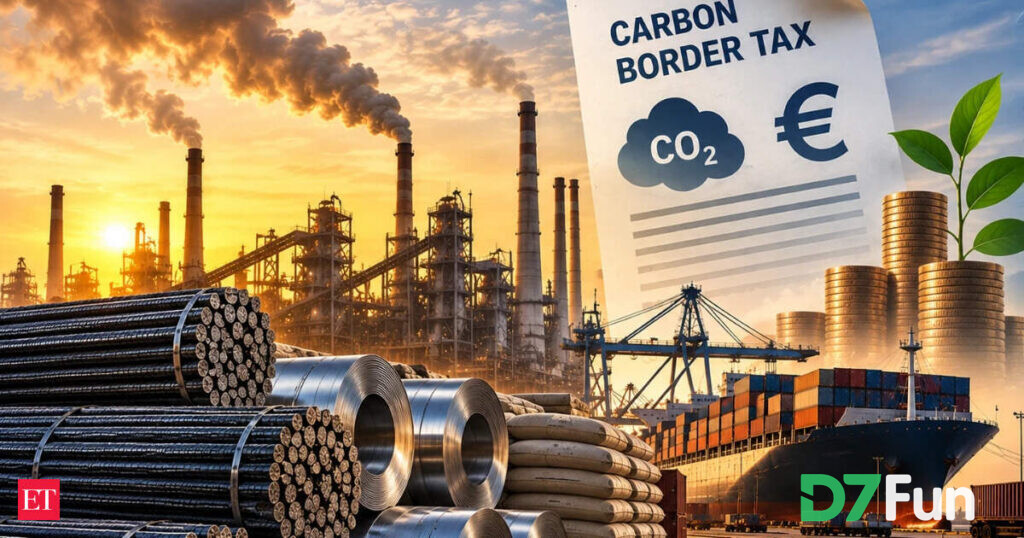
From January 2026, India’s export community faces fresh challenges as the European Union brings its Carbon Border Adjustment Mechanism (CBAM) into effect. This policy requires importers to pay a premium for goods with higher carbon footprints. India’s steel, aluminium and cement sectors in particular will feel the pressure. In response, Delhi is fast-tracking plans for a homegrown carbon market and incentivising green investments.
Understanding the EU’s Carbon Border Adjustment Mechanism
The CBAM aims to equalise carbon costs between EU producers, who must comply with the Emissions Trading System, and foreign manufacturers. Under this regime, importers purchase certificates reflecting the carbon emissions embedded in their goods. By targeting industries known for heavy emissions, the EU hopes to curb carbon leakage—the shifting of high-emission activities to regions with laxer climate rules. While environmentally ambitious, the new mechanism raises a fresh trade cost for nations exporting carbon-intensive products to Europe.
Impact on Key Indian Export Sectors
India ranks among the world’s leading steel and aluminium producers. These sectors contribute significantly to export revenues but also carry sizeable carbon footprints. Under CBAM, an additional charge on each tonne of CO2 emitted could reduce profit margins or make Indian goods pricier in EU markets. Smaller players without robust decarbonisation plans may struggle to adapt. Even cement exporters, supplying booming construction demand in Europe, must now factor in carbon costs when pricing their consignments.
India’s Domestic Carbon Market: A Game Changer
Anticipating the EU move, Indian policymakers are designing a domestic carbon market tailored to national priorities. The proposed platform would let companies trade carbon credits, creating a price signal to reward lower emissions. By gradually expanding covered sectors—from power generation to heavy manufacturing—India aims to foster a competitive advantage through early action. Revenues from carbon auctions could support clean energy projects and subsidise emissions-cutting upgrades in smaller factories.
Boosting Cleaner Technologies and Investments
Beyond trading, India is mobilising incentives for green technology adoption. Tax breaks, low-interest loans and targeted grants will encourage steel mills, aluminium smelters and cement plants to upgrade furnaces, install carbon capture systems or shift to alternative fuels. Partnerships with global technology providers may accelerate the transfer of best-in-class solutions. Meanwhile, government-backed research into hydrogen-based steelmaking and novel cement substitutes positions India at the cutting edge of low-carbon manufacturing.
Looking Ahead: Competitiveness Meets Sustainability
By crafting a domestic carbon market alongside supportive policies for clean investments, India seeks to turn the CBAM challenge into an opportunity. Exporters that embrace early decarbonisation stand to gain a pricing edge in Europe’s greener marketplace. As global trade increasingly integrates climate considerations, India’s proactive strategy can safeguard export revenues while steering its heavy industries toward a more sustainable future.
Conclusion
The EU’s CBAM marks a pivotal shift in international trade, where carbon intensity becomes a critical cost factor. India’s timely push for a homegrown carbon market and a suite of green incentives will help exporters navigate this new landscape. In balancing competitiveness with environmental responsibility, India is setting the stage for resilient growth in a low-carbon world.


