
Why the US-India Trade Pact Matters
The prospect of a comprehensive US-India trade deal has taken centre stage in bilateral discussions, with business leaders and policymakers on both sides recognising the potential to significantly lower tariffs and spur cross-border commerce. With two of the world’s largest democracies looking to enhance market access, this agreement is seen as a game-changer for exporters, manufacturers and service providers in India and the United States.
Atul Keshap’s Call for Action
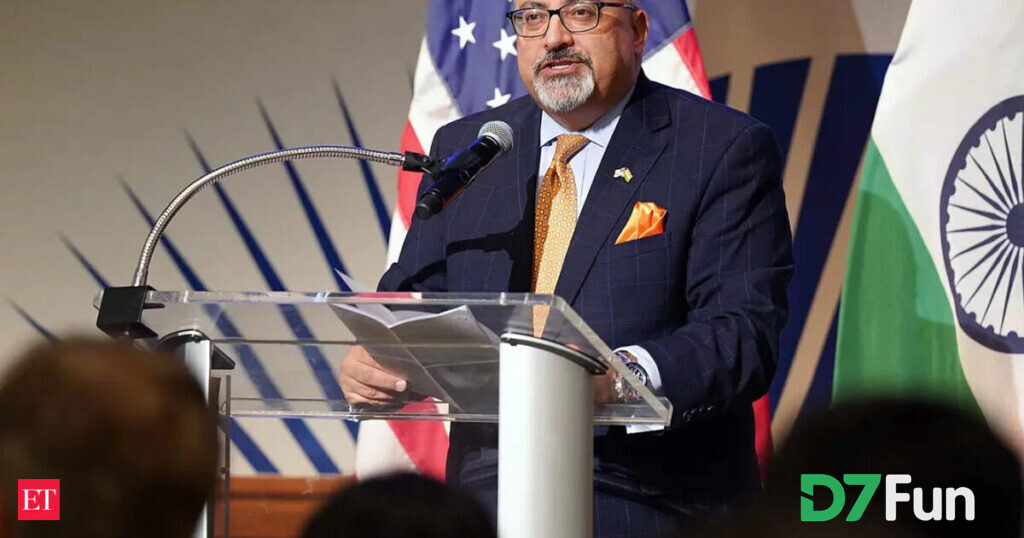
Atul Keshap, President of the US-India Business Council (USIBC), has stepped up advocacy for accelerating the negotiations. According to Keshap, now is the moment for both governments to align on key tariff reductions and streamline regulatory hurdles. He argues that a well-structured pact would reinforce supply chain resilience, encourage investment flows and deliver concrete benefits to enterprises across sectors such as information technology, renewable energy and pharmaceuticals.
India’s Position and Expectations
On the Indian side, Commerce and Industry Minister Piyush Goyal has confirmed that the trade deal is on the brink of finalisation. Goyal highlighted the importance of securing competitive advantages for Indian producers in the American market, while ensuring that US manufacturers get fair access to India’s growing economy. Key talking points include balanced duties on agri-commodities, intellectual property safeguards and digital trade rules that encourage innovation and online entertainment.
Tariff Reductions and Sectoral Gains
Lowering tariffs is at the heart of this historic agreement. USIBC forecasts that even a modest cut of 10–15% across targeted product lines could drive billions of dollars in incremental trade annually. For the Indian automotive sector, reduced duties would slash input costs for components, while American machinery exporters stand to gain from easier entry into Indian manufacturing hubs. Both sides are also keen to explore standards alignment in areas such as clean energy equipment and healthcare devices.
Business Impact and Future Prospects
Indian exporters are optimistic that tariff concessions will unlock new demand in the US, especially for textiles, leather goods and specialty chemicals. On the flip side, US companies eyeing India’s 1.4 billion-strong consumer market anticipate that a predictable duty structure will accelerate product launches and joint ventures. Financial services firms and fintech startups are also watching closely for improved cross-border data flow norms.
Next Steps in Negotiations
Negotiators from Washington and New Delhi are expected to reconvene in the coming weeks to iron out final details. Both governments have signalled their intent to address outstanding issues such as customs procedures, market access for dairy products and digital trade commitments. Industry bodies assure that once political approval is granted, implementing the tariff schedule could take effect by early next year, unlocking fresh sports action–style opportunities for companies eager to capitalise on the new landscape.
Looking Ahead
A successful US-India trade deal would not only reshape bilateral commerce but also set a benchmark for future collaborations. By reducing barriers and fostering greater economic cooperation, the pact promises to deepen strategic ties and deliver sustainable growth. As stakeholders await the final handshake in Delhi or Washington, businesses on both sides are preparing to leverage the match excitement that comes with a historic breakthrough in international trade.


