
Government Endorsement for Cutting-Edge Biopolymer Research
Balrampur Chini Mills Ltd (BCML) has announced receipt of a substantial ₹75 crore grant from the Government of India aimed at establishing a pilot-scale research and development (R&D) facility dedicated to polylactic acid (PLA) co-polymers. This support underscores the government’s commitment to boosting sustainable technologies in the sugar and agro processing sector, furthering India’s goal of developing eco-friendly materials.
What Is Polylactic Acid (PLA) and Why It Matters
PLA is a biodegradable polymer derived from renewable plant resources, such as sugarcane. Unlike conventional plastics, PLA breaks down more easily in industrial composting conditions, cutting down on environmental pollution. By focusing on specialized PLA grades and co-polymer development, BCML aims to cater to high-value applications in packaging, textiles, agriculture films, and medical devices.
From Lab Bench to Commercial Scale
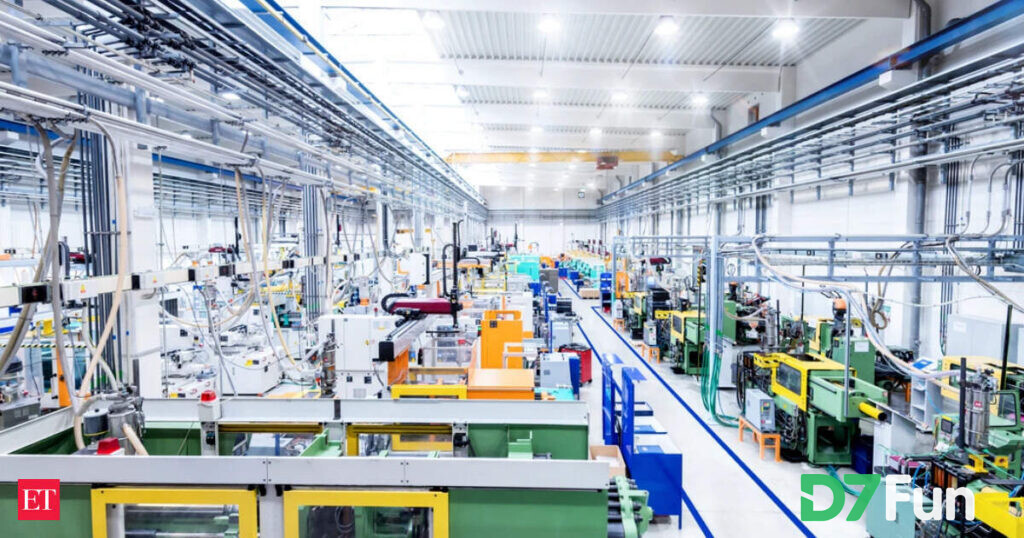
The new facility will bridge the critical gap between laboratory research and large-scale manufacturing. It will host pilot reactors, downstream processing units, and analytical labs. Scientists and engineers will refine polymerisation processes, optimise catalyst systems, and develop custom formulations. The pilot unit’s know-how will then inform the design of a fully integrated commercial PLA plant, setting the stage for sustainable manufacturing at 80,000 tonnes per annum capacity.
India’s First Integrated PLA Manufacturing Ambition
With the pilot R&D facility in place, BCML plans to commission India’s first integrated commercial PLA manufacturing plant. The move will significantly reduce the country’s reliance on imported biodegradable polymers and support ‘Make in India’ objectives. The plant will be co-located with existing sugar and ethanol operations, enabling efficient feedstock supply chains and economies of scale.
Economic and Environmental Impact
The ₹75 crore grant assist will catalyse private investment in green polymers, fuel rural employment, and accelerate India’s transition towards a circular economy. Local farmers supplying sugarcane will benefit from higher value-addition in the supply chain, while downstream industries will gain access to homegrown, cost-effective biopolymers. From an environmental perspective, increased PLA output can significantly reduce plastic waste and greenhouse gas emissions.
Boosting India’s Green Materials Ecosystem
By nurturing cutting-edge research in biopolymers, the government’s grant fosters an ecosystem of innovation. Partnerships with academic institutions, contract research organisations, and technology providers are expected to flourish. As BCML scales up its technology, it may extend collaboration offers for joint testing, certification, and custom product development, further strengthening India’s capabilities in sustainable materials science.
Future Prospects and Market Growth
Global demand for biodegradable plastics is rising at over 20% annually. In India, stringent regulations on single-use plastics and growing consumer awareness are driving market growth. Balanced by supportive policies and financial incentives, companies like BCML are well-placed to capture significant market share. The projected 80,000 tonne facility will enable domestic supply to meet both local and export requirements, potentially opening new revenue streams from Europe, North America, and Asia Pacific regions.
A Step Towards Sustainable Manufacturing Leadership
Balrampur Chini Mills’ R&D facility represents a strategic leap for India’s green tech landscape. By securing government backing and investing in advanced PLA co-polymer research, the company is laying the groundwork for sustainable packaging solutions and value-added agro processing. This milestone reaffirms India’s commitment to environmental stewardship and positions the nation as a global innovator in biopolymer manufacturing.


