
ADB Boosts Growth Projection to 7%
The Asian Development Bank (ADB) has revised its forecast for India’s GDP growth upward from 6.5% to 7% for the fiscal year 2023–24, reflecting the economy’s continued resilience. This optimistic outlook follows similar upgrades by S&P Global Ratings and Fitch Ratings, underscoring strong domestic demand, government spending on infrastructure, and healthy corporate balance sheets. Despite global headwinds such as geopolitical tensions and slowing growth in major economies, India’s consumption, investment and services sectors have remained robust drivers of expansion.
El Niño Threatens Crop Yields and Price Stability
While the growth revision is welcome, an intensifying El Niño weather cycle poses a significant risk to India’s farm output. Historically, El Niño events have been linked with below-normal monsoon rainfall, which could reduce sowing areas and yield levels for staple crops such as rice, pulses and oilseeds. A drop in agricultural production often leads to higher food prices, and in a country where nearly half of the consumer price index is driven by food items, any major shortfall could stoke inflationary pressures.
Inflation Pressures and Household Implications
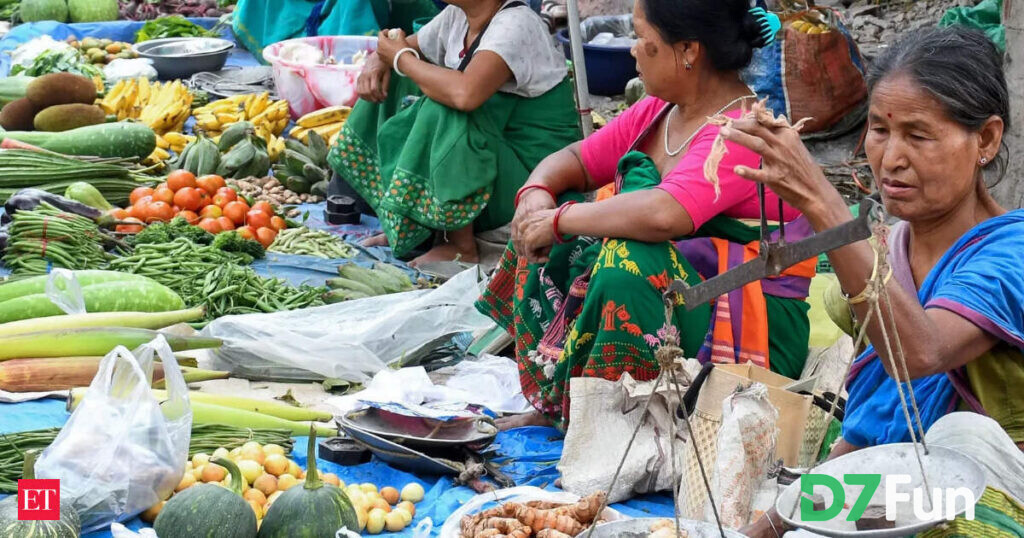
Retail inflation in India has already breached the Reserve Bank of India’s (RBI) 2–6% target band in recent months, largely due to rising vegetable and edible oil prices. Elevated food inflation can squeeze household budgets, especially for lower-income families who allocate a larger share of expenditure to daily essentials. With the monsoon forecast now under watch by agricultural experts, consumers and policymakers alike are monitoring food price trends closely to gauge the possible impact on living costs.
RBI’s Tightening Stance Amid External Shocks
Given the risks to price stability and the potential for imported inflation through higher global commodity prices, the RBI is likely to maintain a cautious monetary stance. Even as growth remains robust, the central bank may keep policy rates unchanged or consider further rate adjustments if inflationary pressures strengthen. A tighter policy environment aims to anchor inflation expectations, ensuring the retail inflation trajectory does not derail from the medium-term target.
Outlook and Policy Considerations
Looking ahead, India’s growth story will depend on a balanced approach—boosting investment in infrastructure, enhancing supply-chain resilience, and supporting farmers through improved irrigation and crop insurance. Policymakers will need to watch El Niño developments closely and may deploy calibrated fiscal and monetary measures, such as targeted food imports, buffer-stock releases, or temporary subsidies to stabilize prices. If managed prudently, India can navigate these weather-related and inflationary headwinds, sustain its 7% growth momentum, and safeguard household purchasing power.
As global uncertainties persist, the upgraded ADB forecast highlights India’s capacity for steady expansion. However, the success of this outlook hinges on mitigating agricultural risks posed by El Niño and keeping inflation under check. A dynamic policy response will be key to ensuring that economic growth translates into tangible gains for all segments of the population.


