India’s Apparel Export Performance: Stuck at 3%
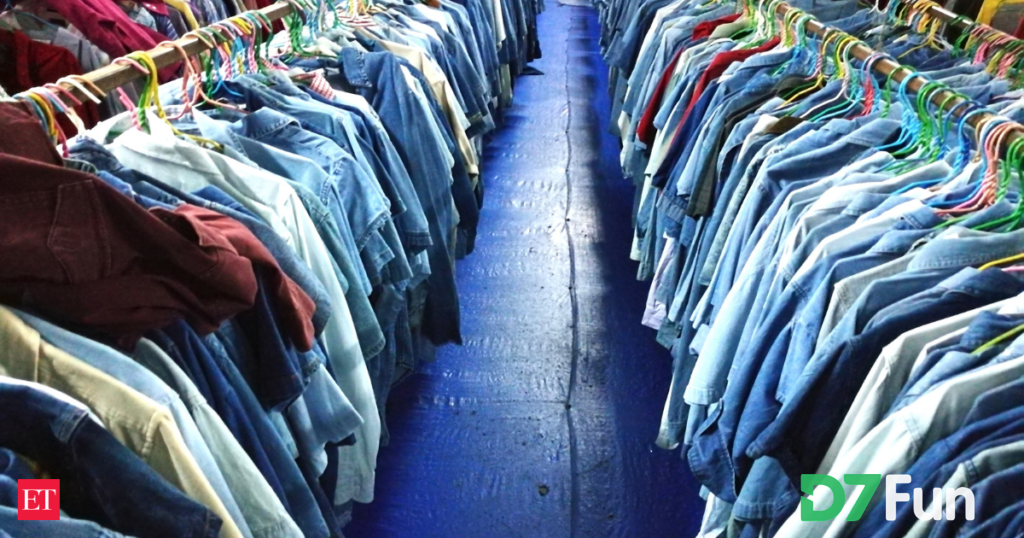
Despite China losing its iron grip on the global textile and apparel market, India’s share of global apparel exports has remained around 3% in 2025. While markets like Bangladesh and Vietnam have capitalised on the China+1 trend—where buyers diversify supply chains away from China—India’s growth has been muted. Industry experts point to factors such as higher production costs, fragmented manufacturing capacity and limited trade integration as key constraints.
The China+1 Opportunity for India
The China+1 strategy has seen global brands and retailers scouting for alternative sourcing hubs. Bangladesh and Vietnam, with their competitive labour rates and established supply chains, have been early beneficiaries. However, India’s large domestic market, skilled workforce and diverse raw material base also present a compelling case for international buyers. With the right mix of policy support, infrastructure upgrades and streamlined regulations, India could attract a substantial share of relocating orders.
Challenges Hindering Growth
- Fragmented Capacity: Thousands of small and medium-sized units dominate India’s apparel sector. While this offers flexibility, it also makes it harder to meet large, consolidated orders under tight delivery schedules.
- Higher Production Costs: Compared to Bangladesh and Vietnam, Indian producers face higher labour wages, energy costs and compliance expenses, squeezing margins and making bids less competitive.
- Weak Supply Chain Integration: Delays in raw material procurement, limited textile-garment linkages and logistical bottlenecks can erode India’s value proposition in fast fashion segments.
Role of Free Trade Agreements
Free trade agreements (FTAs) can serve as a catalyst for India’s apparel exports by lowering tariff barriers and enhancing market access. Ongoing negotiations on trade pacts with key markets in Europe, the Gulf Cooperation Council and the Asia-Pacific region hold promise. Once finalised, these FTAs could unlock tariff concessions of up to 10–15% in some regions, making Indian products more competitive.
Moreover, improved rules of origin and simplified customs procedures under FTAs would benefit smaller manufacturers who currently find compliance complex and time-consuming. The government’s recent focus on export facilitation, including electronic clearances and faster rebates, marks a step in the right direction.
Policy Support and Infrastructure Upgrades
Beyond FTAs, targeted policy measures can unlock the India advantage in apparel exports. Key recommendations from industry bodies include:
- Export Incentives: Tailored schemes to offset higher energy and social compliance costs.
- Industrial Parks: Dedicated textile and apparel clusters with plug-and-play utilities to reduce lead times and overheads.
- Skill Development: Upskilling programmes for workers to handle modern machinery and quality standards required by global brands.
Improvements in transport connectivity—via road, rail and ports—can further trim shipping times and costs, enhancing India’s overall competitiveness.
Path Ahead for Indian Apparel Industry
India’s apparel exporters stand at a crossroads. The global shift away from China has created a golden window of match excitement as buyers explore alternative sourcing destinations. To capitalise, India must address its structural challenges and leverage FTAs to secure better market access.
By fostering integrated supply chains, rationalising costs and offering targeted export incentives, India can realistically aim to double its global share over the next five years. Such growth would not only bolster the country’s standing in the textile value chain but also generate employment, stimulate investment and support rural livelihoods. The time is ripe for India to move from a 3% participant to a 6–7% leader in global apparel exports.