
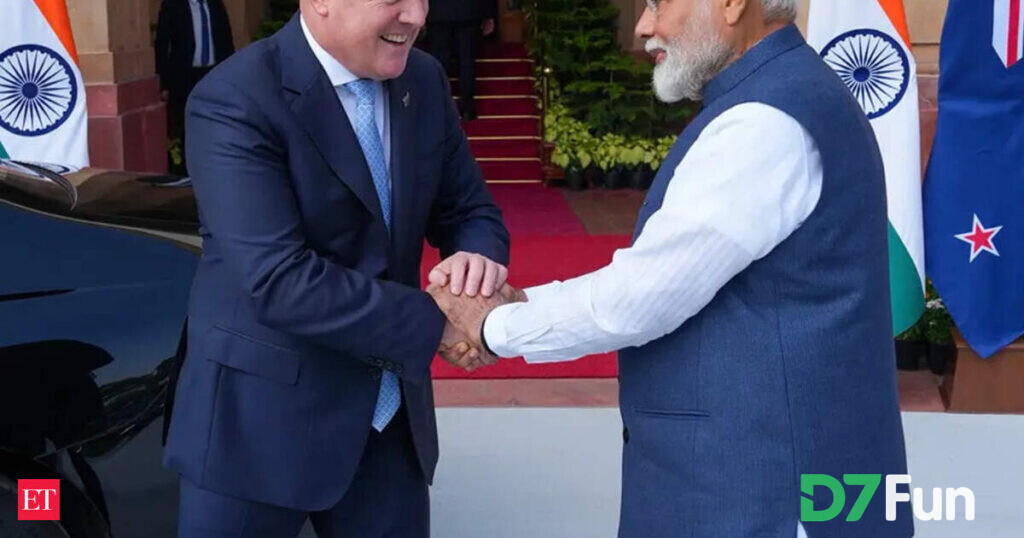
Historic Trade Agreement Comes into Force
India and New Zealand have officially activated their long-anticipated free trade agreement (FTA) on October 20. The pact is designed to elevate bilateral trade in goods and services by 2030, with an ambitious target to double the current trade volume. A standout feature of the new arrangement is that New Zealand will offer duty-free treatment to 100% of Indian exports, giving Indian businesses unprecedented market access.
Key Highlights of the FTA
- 100% duty-free access for all Indian export categories.
- A milestone goal to double trade in goods and services by 2030.
- Enhanced mobility provisions for Indian students and professionals.
- Cooperation in investment, technology transfer and renewable energy.
Implications for Indian Exporters
Removal of tariffs across the board will directly benefit sectors such as automotive components, pharmaceuticals, textiles, leather goods and processed food. With zero duties on exports, Indian manufacturers can price their wares more competitively in the New Zealand market, potentially capturing a larger share in key segments like speciality garments and health-care supplies.
Small and medium enterprises (SMEs) stand to gain significantly, as they will face lower entry barriers when exporting to New Zealand. Industry analysts expect that greater market access will spark fresh collaborations and encourage Indian exporters to diversify product portfolios geared for Kiwi consumers.
Boost to Bilateral Trade by 2030
Current trade between the two nations hovers around USD 6 billion. Under the new agreement, both governments aim to push this figure to over USD 12 billion within the next decade. Enhanced cooperation in sectors such as agriculture, minerals and information technology services is expected to underpin this growth trajectory.
The FTA also introduces regulatory harmonisation measures, which will streamline customs procedures, reduce compliance costs and cut clearance times. This will not only facilitate smoother cargo movement but also foster a more predictable business environment.
Opportunities in Services and Mobility
Beyond goods, the free trade agreement places significant emphasis on services. Indian IT, consulting and business process outsourcing firms will benefit from improved market access and fewer restrictions. Meanwhile, New Zealand has agreed to open additional quotas for Indian professionals in sectors such as engineering, healthcare and information technology.
Students from India will see expanded pathways for academic exchange, with simplified visa rules and increased intake in New Zealand’s universities and technical institutes. This will enhance people-to-people ties and strengthen cultural links between both countries.
Collaboration in Technology and Renewable Energy
The agreement includes dedicated chapters on trade-related investment measures and technology cooperation. Indian and New Zealand businesses will be encouraged to form joint ventures in areas such as artificial intelligence, agritech and precision farming. By pooling expertise, companies can develop innovative solutions to shared challenges in food security and sustainable agriculture.
Renewable energy collaboration is another pillar of the pact. Both governments will explore partnerships in wind, solar and bioenergy projects. This focus aligns with India’s renewable energy targets and New Zealand’s commitment to a low-carbon future.
What Lies Ahead
With the FTA now in effect, stakeholders on both sides will monitor implementation closely. Trade bodies, chambers of commerce and industry associations are already planning outreach programmes to educate exporters and service providers about the new opportunities. The successful rollout of this agreement could become a blueprint for India’s future FTAs in other markets.
As duty-free access takes hold, Indian businesses have a clear runway to expand into New Zealand. With supportive policy measures and strengthened bilateral ties, the India-New Zealand trade relationship is poised for a significant uplift over the next decade.


