
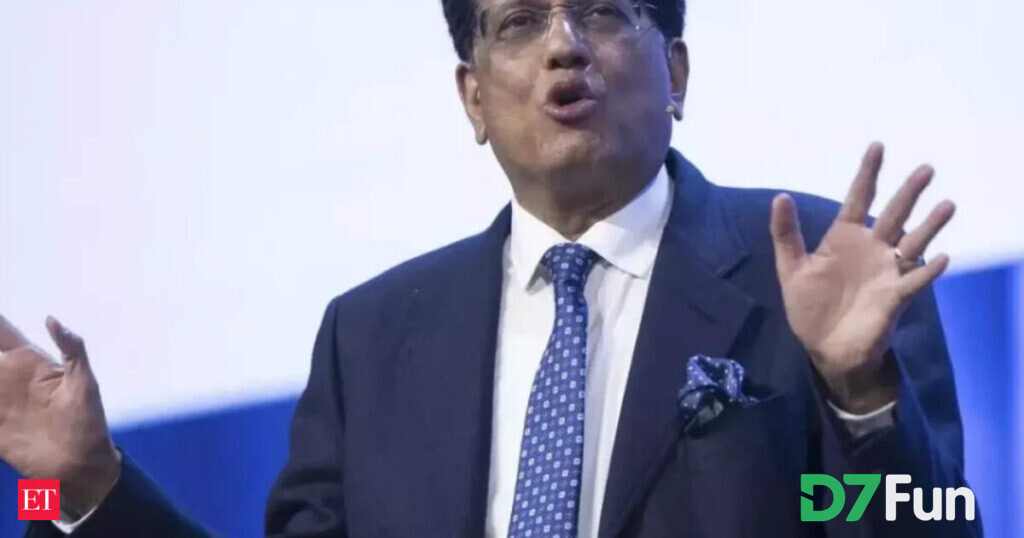
BRICS Business Forum 2026: Piyush Goyal Advocates Open Markets and Linked Payment Systems
Opening Markets for Sustainable Growth
At the BRICS Business Forum 2026, Commerce and Industry Minister Piyush Goyal delivered a compelling call to action: member nations must open their markets to promote sustainable economic growth and shared prosperity. Addressing delegates from Brazil, Russia, India, China and South Africa, Goyal highlighted that trade expansion is only possible when markets are transparent, competitive and accessible to all stakeholders.
“An open marketplace is the cornerstone of innovation,” Goyal said, stressing that reducing tariffs alone is not enough. He urged BRICS partners to go further by reviewing existing trade agreements and identifying sectors where new opportunities can be unlocked.
Cutting Non-Tariff Barriers
Beyond conventional duties, non-tariff measures such as customs delays, excessive documentation requirements and unclear standards continue to hamper exporters. Goyal pointed out that these hidden obstacles often inflate costs, erode competitiveness and slow down the pace of commerce.
He proposed a structured dialogue to identify and dismantle such barriers, recommending the establishment of an expert working group within the BRICS framework. This panel would monitor progress and propose concrete measures to streamline processes, ultimately fostering a more dynamic trade environment.
Linking Payment Systems for Seamless Transactions
In a bid to deepen economic integration, the minister advocated linking national payment systems across BRICS. By facilitating faster, secure and cost-effective cross-border transactions, member countries can reduce dependence on third-party platforms and enhance financial resilience.
Goyal underscored that interoperable payment networks would lower transaction fees, cut settlement times and support small and medium enterprises looking to expand regionally. He encouraged finance authorities and central banks to fast-track technical collaborations, stress-testing, and compliance protocols.
Building Resilient Supply Chains
Another key theme of Goyal’s address was supply chain resilience. The minister stressed that diversification and two-way trade flows are essential for mitigating future shocks, whether caused by pandemics, natural disasters or geopolitical tensions.
Highlighting India’s experience in ensuring continuity of essential goods, Goyal called on BRICS members to adopt best practices in logistics, warehousing and digital tracking. He envisaged a network of manufacturing hubs, each contributing complementary strengths, to create a truly integrated supply ecosystem.
India’s BRICS Chairship: A Strategic Opportunity
As the 2026 chair of BRICS, India is determined to translate dialogue into action. Goyal outlined key initiatives under India’s stewardship, including ministerial roundtables, thematic workshops and a dedicated online platform for business-to-business engagement.
He concluded on an optimistic note, affirming that deep economic cooperation will unlock fresh avenues of growth, enhance global competitiveness and deliver tangible rewards for citizens across BRICS nations. With coordinated efforts, he asserted, the bloc can set a new standard for inclusive, resilient and future-ready trade relations.


