
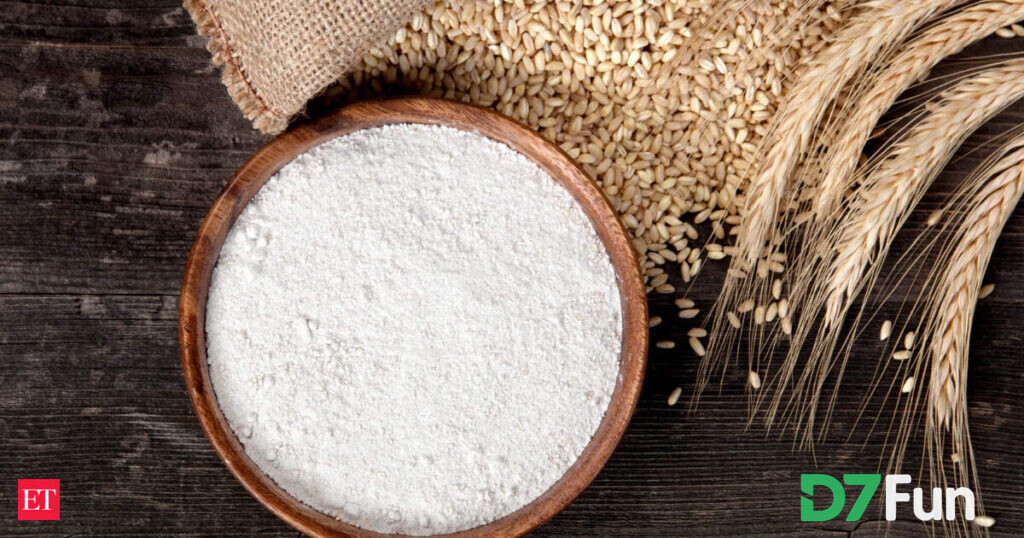
India Lifts Four-Year Ban on Wheat Exports
In a decisive move to stabilise global staple prices and support domestic farmers, the Government of India has formally removed restrictions on wheat and wheat product exports. The ban, which has been in place for four years, was originally introduced to protect Indian consumers amid rising food inflation and supply uncertainties.
With the ban lifted, India is poised to reclaim its status as a major player in the global wheat market. The decision comes at a time when geopolitical tensions and the ongoing Russia-Ukraine conflict have sent wheat prices soaring worldwide, creating fresh opportunities for Indian producers.
Boost for Small and Medium Enterprises
One of the key beneficiaries of this policy reversal will be small and medium enterprises (SMEs) in India’s agro-food sector. These businesses can now ship their branded wheat products overseas, tapping into markets previously inaccessible due to export controls. By opening up export licences for a broader array of industry players, the government aims to enhance competitiveness and generate new avenues for rural employment.
SMEs, often regarded as the backbone of India’s economy, stand to gain not only from increased revenue but also from elevated brand recognition in international markets. Enhanced export opportunities are expected to unlock fresh lines of credit from trade financiers and boost confidence among industry stakeholders.
Expected Impact on Global Wheat Prices
Since the onset of the Russia-Ukraine war, global wheat prices have surged by nearly 40%, impacting food-insecure nations and pushing up costs for consumers worldwide. By releasing Indian wheat stocks onto the international market, the Ministry of Commerce aims to alleviate supply shortages and temper prices.
Industry analysts predict that India’s entry as a stable exporter could exert downward pressure on global quotations, offering relief to importing countries. While logistical challenges remain—such as port capacities and shipping rates—the policy shift underscores New Delhi’s commitment to balancing domestic needs with international responsibilities.
Bangladesh Emerges as Key Buyer
Bangladesh has already signalled robust interest in Indian wheat, driven by domestic demand for affordability and quality. The neighbouring country, which relies heavily on imports to meet its consumption needs, is expected to raise its procurement significantly following the ban’s removal.
Trade officials indicate that Bangladesh’s state trading agencies and private millers are in advanced talks with Indian suppliers. This surge in demand is projected to boost annual export volumes by several million tonnes, benefiting farmers across states such as Uttar Pradesh, Punjab and Haryana.
Looking Ahead: India’s Wheat Export Potential
With the export gate now open, India must tackle challenges related to storage capacity, transport infrastructure and quality control. Investments in cold storage facilities and streamlined customs procedures will be crucial to capitalise on the current window of opportunity.
Furthermore, industry bodies are calling for targeted support measures, including export credit guarantees and freight subsidies, to help local players compete on price and delivery timelines. If executed effectively, these steps could cement India’s reputation as a dependable wheat supplier and pave the way for diversification into value-added products such as pasta and flour blends.
As global markets adapt to India’s renewed participation, stakeholders at home are optimistic. Farmers anticipate higher farmgate prices, SMEs look forward to fresh export revenues, and policymakers hope to achieve a balance between domestic food security and international trade commitments. The removal of wheat export restrictions marks a new chapter in India’s agricultural journey—one defined by increased global engagement and strengthened export resilience.


