
Introduction
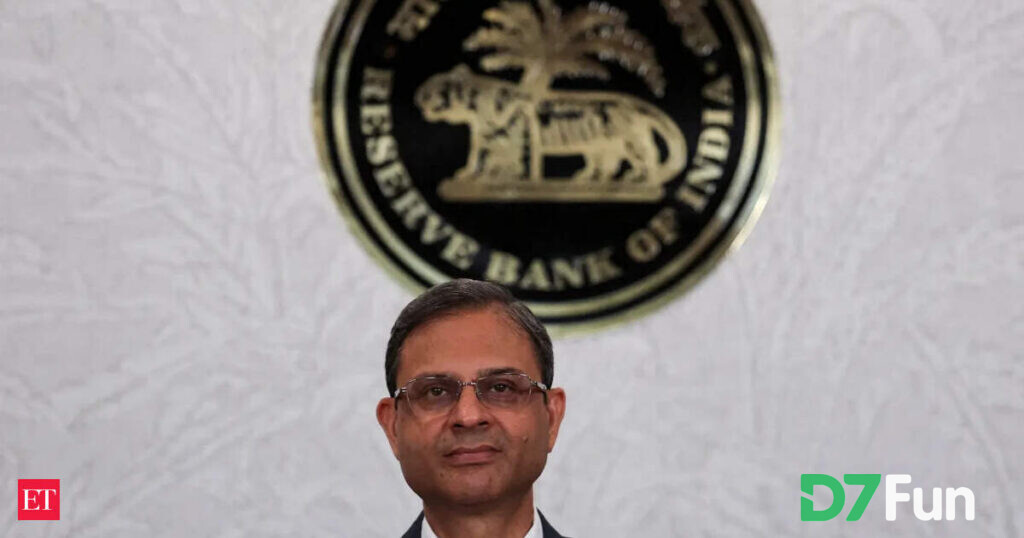
In its latest Monetary Policy Committee (MPC) meeting, the Reserve Bank of India (RBI) chose to keep the repo rate unchanged, highlighting the central bank’s dedication to a data-driven approach. RBI Governor Sanjay Malhotra underlined that a clearer picture on core inflation and price pressures is essential before embarking on any rate recalibration. The minutes, released this week, shed light on concerns around food, fuel and input costs, as well as global headwinds that could influence domestic price stability.
RBI Maintains Status Quo on Repo Rate
The MPC’s decision to retain the repo rate at its existing level reflects an emphasis on observing unfolding developments. With global commodity prices remaining volatile and geopolitical tensions adding to uncertainty, the committee weighed both upside and downside risks to growth and inflation. Governor Malhotra noted that while the current stance supports sustained economic recovery, any future shift must be backed by convincing evidence on easing price pressures.
Inflation Risks from Food, Fuel and Input Costs
Minutes from the MPC meeting point to persistent risks in the food and fuel segments. Supply chain disruptions, erratic monsoon patterns and international crude oil fluctuations have all contributed to intermittent spikes in domestic inflation. Additionally, elevated costs of raw materials have the potential to filter through to consumer prices, keeping headline inflation above the central bank’s comfort level in the near term.
Governor Malhotra remarked that a robust monitoring framework is vital to gauge the trajectory of core inflation, which remains the best gauge of underlying demand pressures. He also highlighted the need to watch fiscal policy developments and global monetary actions closely, since these external factors can amplify inflation shocks.
MPC’s Wait-and-Watch Approach
The MPC adopted a cautious stance, with members expressing a preference for postponing policy rate adjustments until incoming data points offer greater clarity. A majority of the committee favoured maintaining the repo rate, citing the benefits of a steady stance to anchor inflation expectations and foster investment sentiment. This patient approach aims to avoid hasty moves that could undermine growth momentum.
Members also discussed the outlook for real GDP, noting that while domestic demand is picking up, certain segments—such as rural consumption—show uneven recovery. The committee agreed on the importance of ensuring that monetary policy remains supportive but not loosening prematurely when inflation pressures persist.
Market Implications and Future Outlook
Financial markets have largely welcomed the RBI’s decision, as bond yields and equity benchmarks demonstrated modest movements in reaction to the MPC minutes. Investors and corporates appear comfortable with the bank’s transparent communication, which provides clear guidance on the conditionality for any policy shift. The emphasis on data dependency helps firms plan their borrowing and investment strategies with greater confidence.
Looking ahead, the RBI will pay close attention to key indicators such as the core consumer price index, rural wages, and global demand trends. Seasonal factors related to food supply and energy costs will also be under the scanner. As Malhotra affirmed, the central bank stands ready to adjust its stance if credible signals show a durable moderation in inflation, thereby balancing its twin objectives of price stability and sustainable growth.
Conclusion
Governor Sanjay Malhotra’s remarks and the detailed MPC minutes underscore the RBI’s prudent policy framework. By insisting on greater clarity regarding inflationary trends, the central bank aims to maintain a fine balance between nurturing economic momentum and ensuring long-term price stability. Indian businesses and households can take assurance from the RBI’s vigilant approach as they navigate the evolving economic landscape.


