
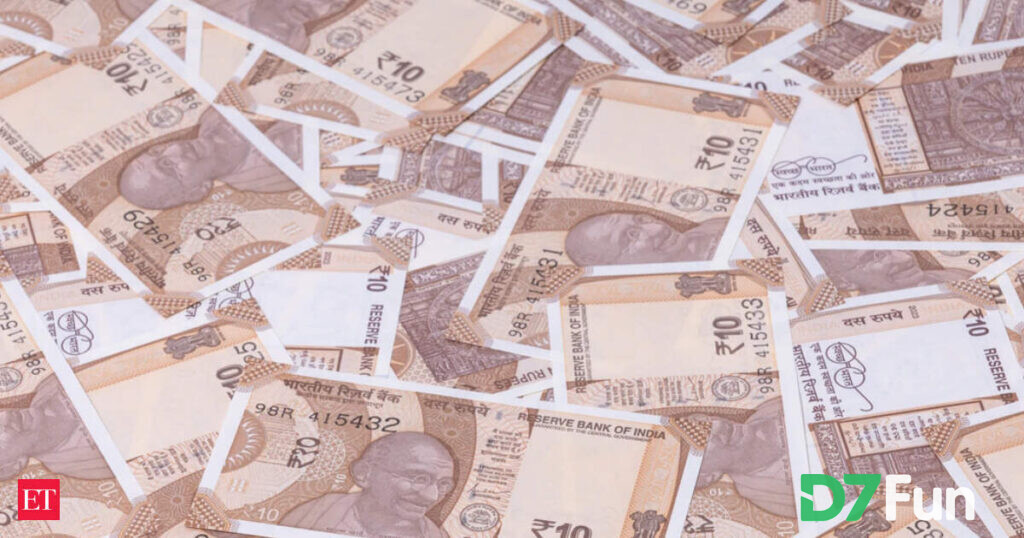
Introduction: A New Era for Indian Currency
The Reserve Bank of India (RBI) is set to revolutionise the way Indians handle cash. From the next financial year, polymer bank notes could soon replace traditional paper notes for lower denominations. Having secured government approval for field trials, the central bank is gearing up to test these notes under real-world conditions. The move aims to improve longevity and maintain crispness, even after months of circulation.
What Are Polymer Bank Notes?
Polymer currency notes are made from a special type of synthetic film, combining durability with security features. Unlike paper notes, these polymer notes resist tearing, moisture and dirt. They also retain their colour and design integrity for longer periods, reducing the frequency of replacement and logistical costs. Several countries across the globe, from Australia to Canada, have already adopted polymer notes for their improved performance.
Key Benefits for the Indian Economy
Introducing polymer notes for lower denominations—typically ₹10, ₹20, ₹50 and perhaps ₹100—promises numerous advantages:
- Enhanced Lifespan: Polymer notes can last up to three times longer than paper notes, cutting down on printing and distribution costs.
- Better Hygiene: The synthetic surface is less prone to harbouring germs and can be easily wiped clean, offering an added layer of health safety.
- Resistance to Wear and Tear: Frequent folding, crumpling and soiling are less likely to damage polymer notes, ensuring they remain crisp in wallets and ATMs.
- Eco-Friendly Approach: Although polymers are derived from plastics, the longer circulation life reduces the overall carbon footprint tied to frequent reprints.
Field Trials in Indian Conditions
RBI Governor Shaktikanta Das has noted that India’s diverse climate—from humid coastal regions to dusty interior zones—poses unique challenges for currency durability. The upcoming field trials will deploy sample polymer notes across various states and banking networks. The objectives include:
- Assessing note performance under extreme temperatures and humidity
- Monitoring ATM compatibility and machine-readability
- Evaluating public feedback on tactile feel and ease of use
- Verifying security feature efficacy against counterfeiting attempts
Implementation Timeline and Future Outlook
With government approval already in place, the RBI plans to commence field trials within the next quarter. Should the trials yield positive results, the central bank will scale up production by mid-next financial year. Initially, only select branches and ATMs will distribute polymer notes, before a nationwide rollout. The transition will be carefully managed to ensure seamless coexistence of existing paper notes and new polymer notes, minimising any disruption to daily transactions.
Long-Term Impact on Cash Management
Beyond immediate cost savings, polymer notes could reshape cash logistics in India. Longer-lasting notes reduce the frequency of replenishment in ATMs and bank branches, freeing up resources for other financial initiatives. Additionally, the improved hygiene factor aligns with public health priorities, especially in high-traffic urban centres. From farmers in rural markets to shopkeepers in city malls, all sections of society stand to benefit from this innovation.
Conclusion: How Polymer Notes Score on Durability
The RBI’s decision to introduce polymer bank notes marks a significant step toward modernising India’s currency system. By addressing durability, hygiene and environmental concerns, these notes promise to deliver lasting value. As the field trials get underway, all eyes will be on how well polymer notes perform across India’s varied landscape. If successful, the next financial year could usher in a cleaner, more robust era of cash management for millions of Indians.


