
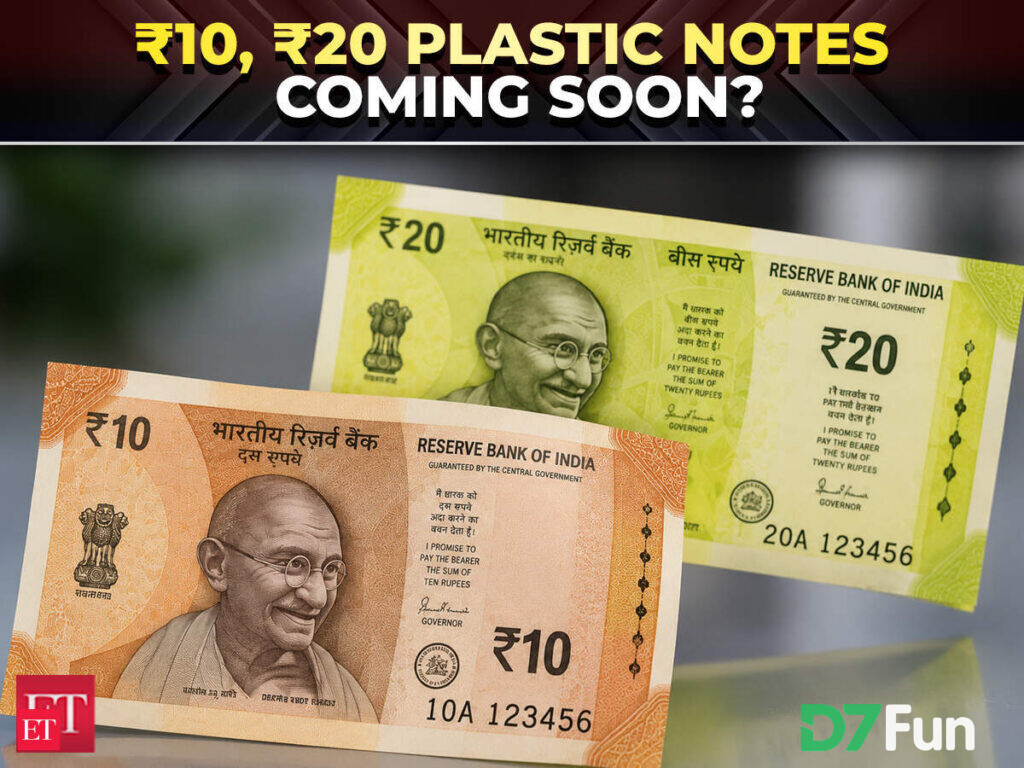
Introduction: RBI’s Move Toward Polymer Notes
The Reserve Bank of India (RBI) has kicked off trials for plastic or polymer notes, signalling a potential shift away from traditional cotton-based currency. With other countries already leveraging the benefits of polymer banknotes, India’s experiment seeks to enhance durability, security and sustainability in cash management.
Why Polymer Currency?
Polymer banknotes, manufactured from a special type of plastic film, offer significant advantages over paper notes. They are more resistant to moisture, tearing and soiling, resulting in a longer life cycle. While cotton-rupee notes need frequent replacement due to wear and tear, polymer notes can last nearly three times as long. For the RBI, this translates to lower printing and distribution costs in the medium-to-long term.
Global Success Stories
Countries such as Australia, Canada and the United Kingdom have already adopted polymer banknotes with positive outcomes. Australia was the first to introduce plastic notes in 1988, praising their anti-counterfeit features and reduced environmental impact. Observing these successes, the RBI aims to study tailored design features, security threads and tactile elements that appeal to India’s diverse user base.
Current Trial Details
The RBI’s pilot project involves releasing polymer versions of select denominations to a limited audience of banks and merchants. Initial feedback will focus on note handling, ATM compatibility, cashier operations and public acceptance. The RBI closely monitors factors such as note clarity, print longevity and ease of recycling once these notes reach their end-of-life.
Security Enhancements
Polymer substrates allow advanced security elements, from transparent windows and complex holograms to precision-etched text. These features make counterfeiting markedly more difficult. As currency fraud remains a concern, enhanced security in polymer notes could strengthen public confidence and reduce losses associated with counterfeit notes.
Environmental Impact
While traditional notes rely on cotton and linen fibres, polymer alternatives extend the longevity of each note, reducing the frequency of replacements. Even though polymer is plastic-based, advances in recycling technology mean these notes can be processed at their end-of-life to create products such as building materials and plastic components, aligning with India’s push for sustainable solutions.
Public Acceptance and Challenges
Adoption hinges on user comfort and operational feasibility. Vending machines, ATMs and note-counting devices must be recalibrated for the slightly different thickness and texture of polymer notes. Street vendors and daily cash-handlers also play a critical role in acceptance, as their feedback will determine if tweaks are needed before a national rollout.
Projected Timeline for Rollout
Based on RBI’s statements, the pilot phase could last up to six months, followed by an evaluation and policy decision. If trials go smoothly, the RBI may begin phased issuance of polymer notes from late 2024 or early 2025. Full-scale transition would depend on logistical preparations, printing capacity and securing agreements with private note printers.
Conclusion: Charting a New Era for Indian Currency
The shift to polymer notes represents a significant evolution in India’s currency landscape. By balancing cost-efficiency, environmental concerns and anti-fraud measures, the RBI aims to modernise cash management in a sustainable way. As the trial unfolds, Indian consumers and businesses alike await the benefits of more durable, secure and eco-friendly banknotes.


