
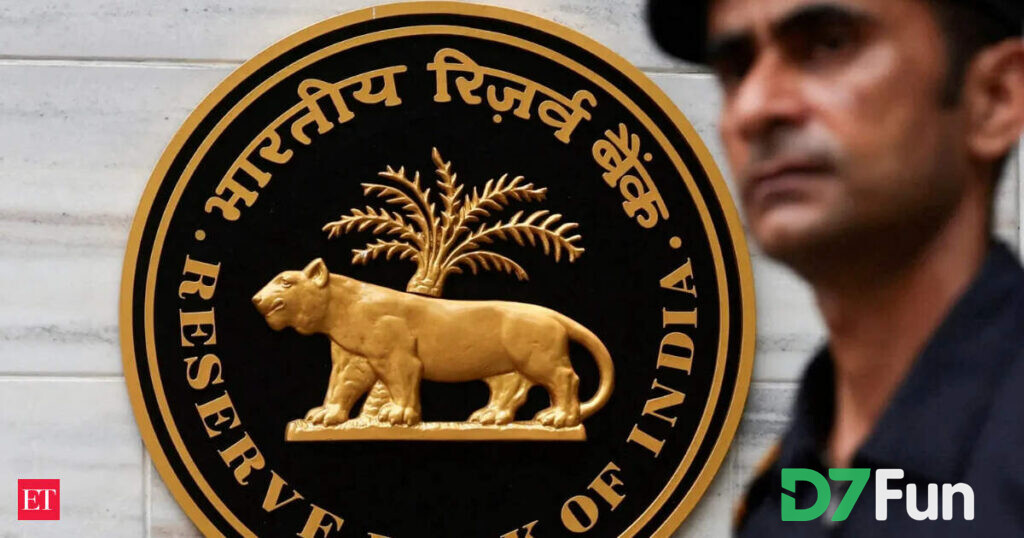
RBI’s August Policy Preview
As the Reserve Bank of India (RBI) readies itself for the monetary policy announcement in August, Barclays Research forecasts that the central bank will keep its benchmark rates unchanged. This outlook is driven largely by a recent surge in foreign currency non-resident (FCNR(B)) deposits, which has helped calm concerns over the rupee’s volatility.
Role of FCNR(B) Inflows in Rupee Stability
FCNR(B) accounts allow non-resident Indians to invest in Indian currency deposits for fixed tenors, shielding principal and interest from exchange rate risk. Over the past few weeks, these inflows have hit multi-month highs, effectively boosting foreign capital in the banking system. With stronger overseas inflows, the pressure on the rupee has eased, giving the RBI room to hold rates steady without the immediate need for aggressive rate cuts or hikes.
Inflationary Pressures and Policy Constraints
Despite the relief on the currency front, inflation remains a thorny issue. Data for consumer price inflation continues to exceed the RBI’s upper tolerance band, driven by persistent high costs in food, fuel and household essentials. Core inflation, which strips out volatile food and energy prices, has also remained sticky, underlining the challenge for policymakers in balancing growth and price stability.
Oil Price Volatility and External Risks
Global crude prices have been swinging in response to geopolitical tensions and supply-demand dynamics. Any sudden uptick in oil prices can quickly translate into higher domestic fuel costs, adding to inflationary pressures. Such volatility underscores why the RBI is likely to adopt a cautious stance, watching both international energy markets and domestic price signals.
El Niño Concerns Heighten Food Inflation Risks
Forecasters warn that an El Niño event could disrupt monsoon patterns, impacting agricultural output and food prices. With food inflation already a major contributor to overall consumer price gains, a poor monsoon could force the RBI to reconsider its policy trajectory sooner than planned. Monitoring rainfall distribution and crop forecasts will be critical in the weeks ahead.
Geopolitical Dynamics and Financial Stability
Heightened geopolitical tensions in key oil-producing regions and broader global trade uncertainties compound the RBI’s policy challenge. Any escalation could affect capital flows into emerging markets, including India. By holding rates steady, the central bank can gauge the resilience of foreign inflows and be prepared to intervene if sudden outflows threaten financial stability.
Investor Takeaways and Market Expectations
Savers and borrowers stand to benefit from a stable rate regime in the near term. Home loan EMIs, personal loan rates and deposit returns are expected to remain largely unchanged, offering predictability for households. Equity markets may take comfort in the RBI’s patient approach, while foreign investors will watch for any shifts in capital inflows as a barometer of confidence in India’s economic outlook.
Looking Ahead: The RBI’s Data-Driven Approach
Barclays’ forecast underscores the RBI’s commitment to a data-driven framework. Beyond FCNR(B) inflows and the rupee, the central bank will keep a close watch on core inflation trends, global commodity prices and monsoon developments. As August’s policy meeting approaches, all eyes will be on Governor-led communications for clues about the next steps in India’s monetary journey.


